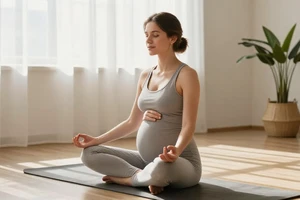
Prenatal yoga is a beautiful way to connect with your changing body and your growing baby. But as your pregnancy progresses, the practice that felt supportive in the first trimester may need thoughtful adjustments by the third. The goal isn't to push through or achieve perfect form, but to create a sense of ease and stability for both of you. With a few expert-backed modifications, you can adapt your practice to meet your body's unique needs at each stage.
Think of these modifications not as limitations, but as intelligent tools. They help you maintain the core benefits of yoga—improved circulation, reduced tension, and mindful breathing—while prioritizing safety and comfort. The key is listening to your body above all else; what feels right one day may need tweaking the next.
First Trimester: Laying a Gentle Foundation
The early weeks are a time of profound, though often invisible, change. While you may not look pregnant, fatigue and nausea can be significant. The primary focus here is on supporting your body's immense internal work, not intensity.
A common misconception is that you can practice as usual because the baby is small. However, the hormone relaxin begins increasing early on, softening ligaments and joints. This increases mobility but can also lead to instability. Avoid deep stretches that leverage this new flexibility, as they can strain joints.
Key modifications for this stage include:
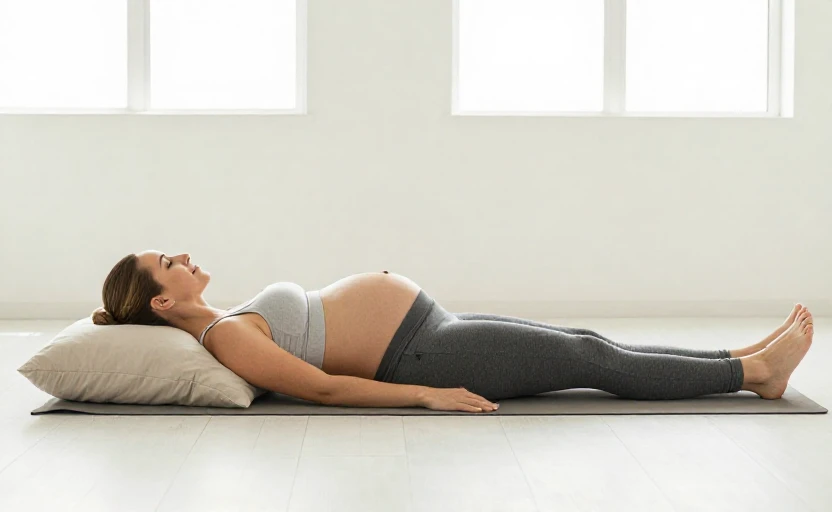
- Prioritize rest. If you're exhausted, a restorative pose like Supta Baddha Konasana (Reclining Bound Angle) with plenty of bolsters is more beneficial than a vigorous flow. It's okay to skip practice altogether on low-energy days.
- Modify twists. Deep, closed twists that compress the abdomen are not advised. Opt for open twists, where you twist away from the forward leg, keeping the belly free.
- Begin avoiding supine positions. While short periods on your back are generally fine early on, it's a good habit to start using props like a wedge or folded blanket to elevate your torso in reclining poses, preparing for later trimesters.
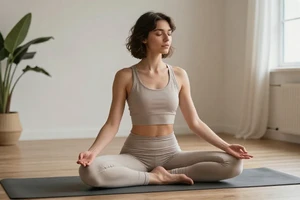
- Focus on breath awareness. Use this time to cultivate ujjayi (victorious) breath or simple diaphragmatic breathing. This builds a tool you'll rely on for relaxation and during labor.
Your first-trimester practice is less about what you do and more about how you listen. Honor the need for gentleness.
Second Trimester: Finding Your New Balance
For many, energy returns during the second trimester, and the baby bump becomes a visible reality. Your center of gravity shifts forward, which can challenge your balance and strain your lower back. This is an excellent time for strengthening the legs and pelvic floor to support your changing posture.
Poses that strengthen the back body, like gentle cat-cow stretches and modified standing poses, can counteract the pull of the growing belly. This is also when avoiding lying flat on your back becomes more important, as the weight of the uterus can restrict blood flow.
Adapt your practice with these strategies:
- Widen your stance. In standing poses like Warrior II (Virabhadrasana II) or Triangle (Trikonasana), take a wider-than-usual stance. This creates a more stable base and makes room for your belly.
- Use the wall for balance. Don't shy away from support. Practice Tree Pose (Vrksasana) or Warrior III with a hand lightly on the wall to build confidence without fear of falling.
- Eliminate deep forward folds. Instead of folding deeply over straight legs, which can overstretch the already-softened hamstrings and lower back, practice a wide-legged forward fold (Prasarita Padottanasana) with bent knees, or fold from a seated position.
- Introduce pelvic floor awareness. Practice gentle engagement and release of the pelvic floor muscles during poses like Bridge (Setu Bandhasana), always coordinating with your breath.
Third Trimester: Prioritizing Comfort and Preparation
In the final stretch, the focus shifts decisively toward comfort, hip opening, and restorative postures that encourage optimal fetal positioning. You may feel more cumbersome, and shortness of breath is common as the baby presses upward. Every modification should serve the dual purpose of easing physical discomfort and calming the mind.
This is not the time for challenging poses. Instead, think of your mat as a sanctuary for release. Poses that take pressure off the lower back and pelvis, like hands-and-knees positions, are often most relieving.
Essential Modifications for the Final Weeks
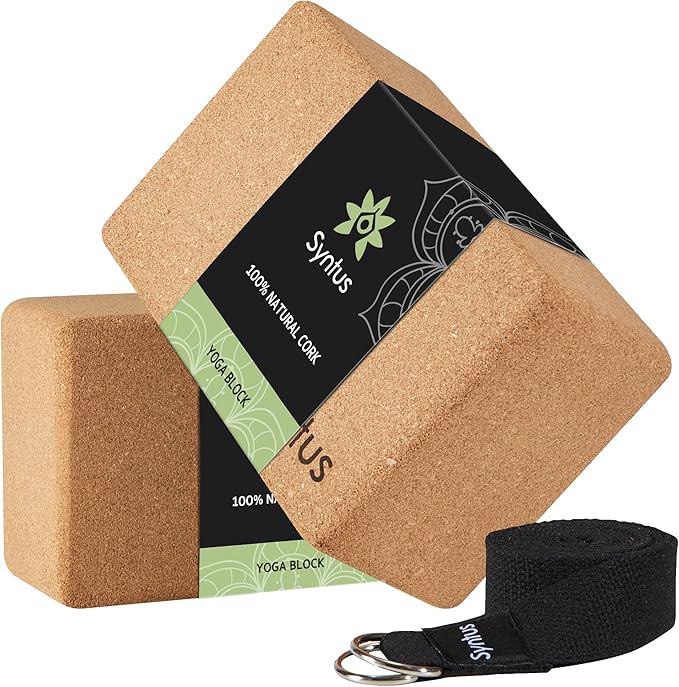
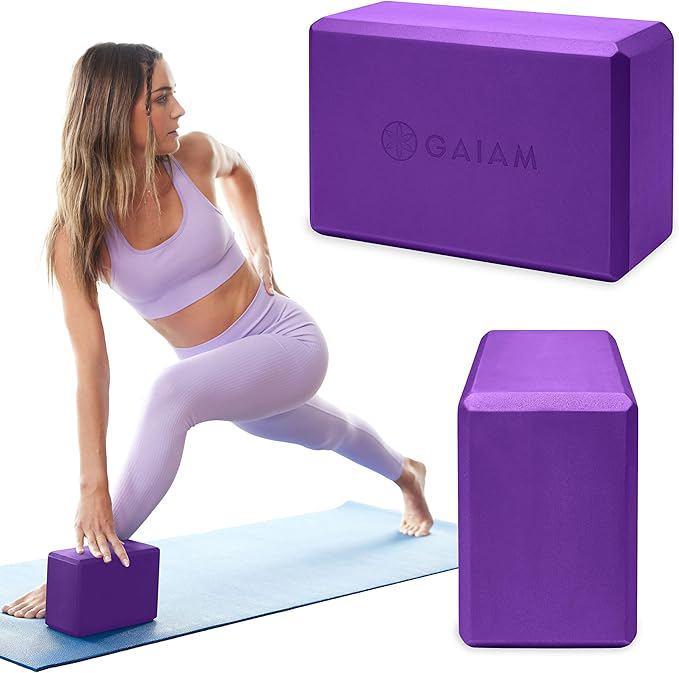
For all seated poses, elevate your hips significantly on a firm blanket or block. This tilts the pelvis forward, alleviating pressure on the tailbone and creating more space in the abdomen for easier breathing.
Incorporate side-lying positions. Side-lying poses are perfect for rest and can help relieve round ligament pain. Use pillows between your knees and under your head for full support.
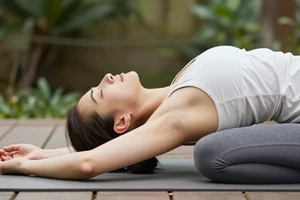
Modify Downward-Facing Dog. This pose can feel overwhelming with a large belly. Come to hands and knees instead, or practice Puppy Pose (a variation with your chest toward the floor and hips over knees) to get a similar upper back and shoulder stretch.
Practice supported squats. Use a wall for support or hold onto a sturdy chair. This helps maintain leg strength and hip mobility while being safe and stable.
In the third trimester, your yoga mat becomes a rehearsal space for labor—a place to practice breathing through sensation and finding comfort in supported positions.
Poses to Approach with Caution (And How to Adapt Them)
Certain categories of poses require special attention throughout pregnancy. Here’s a quick guide to navigating them safely.
Deep Backbends & Abdominal Compression: Poses like full Wheel (Urdhva Dhanurasana) or intense backbends that strongly engage the rectus abdominis muscles are best avoided, especially after the first trimester. The growing uterus stretches the abdominal muscles, and intense engagement can contribute to diastasis recti (separation of the abdominal muscles). Opt for gentle heart-openers like supported Fish Pose over a bolster.
Prone Positions (Lying on Belly): Once your bump is prominent, lying directly on your belly is uncomfortable and impractical. Modify poses like Cobra (Bhujangasana) by coming to hands and knees first, then lowering only your chest toward the floor while keeping hips high.
Inversions: If you were not consistently practicing inversions like Headstand or Handstand before pregnancy, now is not the time to start. For experienced practitioners, simple inversions like Legs-Up-the-Wall (Viparita Karani) are generally considered safe and wonderfully restorative for swelling and fatigue. Always practice near a wall or with a spotter, and come out immediately if you feel lightheaded.
The most important modification of all is the one you make for yourself in the moment. If a pose causes any pain, dizziness, or shortness of breath, stop. Communicate with your instructor and your healthcare provider. Prenatal yoga, when modified wisely, is a powerful companion for the incredible journey of pregnancy, helping you build resilience, awareness, and a deep sense of connection.