Dinner at a friend's favorite new spot or a business lunch at a chain restaurant shouldn't feel like a gamble. Yet for anyone managing a food intolerance — whether it's lactose, gluten, FODMAPs, or histamine — the prospect of eating out can trigger a quiet anxiety that rivals the anticipation of the meal itself. The menu is a minefield, the kitchen is invisible, and the "special request" feels like a burden.
But navigating restaurants with a food intolerance is a skill, not a lucky break. With the right preparation, you can protect your gut and still enjoy the social experience. These expert-backed strategies are designed to help you eat out with confidence, without letting your health take a backseat.
Research Before You Reserve
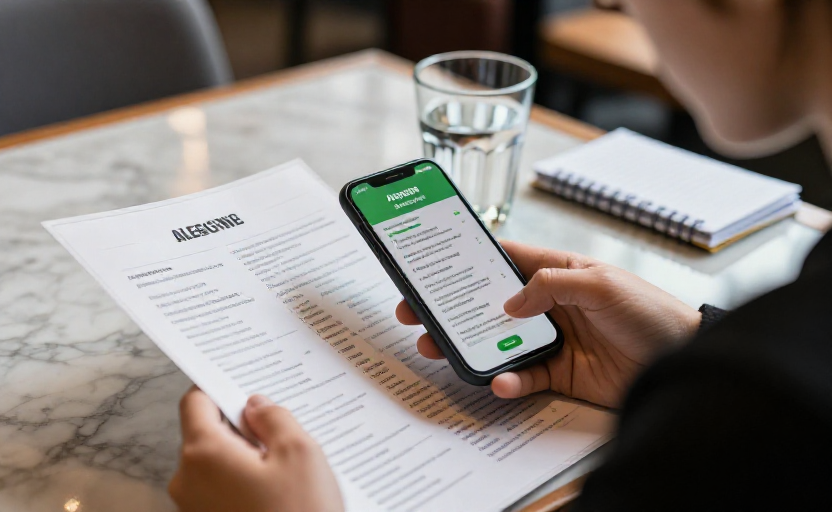
The most powerful tool you have is a few minutes of pre-meal reconnaissance. Before you agree on a restaurant, pull up the menu online. Look for allergen notes, icons for gluten-free or dairy-free options, and the general cuisine style. A restaurant built around grilled proteins and seasonal vegetables is inherently easier to navigate than one that relies heavily on cream sauces, soy marinades, or pre-made broths.
Phone the restaurant during a quiet time — not during the Friday dinner rush — and speak directly to the manager or chef. Ask specific, polite questions: "Can you confirm whether the grilled salmon is cooked with any butter or oil blends?" or "Is the vegetable broth house-made and free of onion and garlic?" This call does more than gather information; it signals to the restaurant that you have a legitimate medical need, giving them the chance to prepare before you arrive.
Master the Language of the Order
Once you're seated, clarity is your best ally. Avoid starting with a long list of off-limits foods. Instead, frame your request positively. Say: "I have a gluten intolerance. Could you please tell me which dishes on the menu are naturally gluten-free, or can be easily modified?"
Phrase modifications as small, clear swaps rather than complicated overhauls. "Grilled chicken, no sauce, with steamed vegetables and a side of olive oil and lemon" is far easier for a line cook to execute than "Can you make the chicken special and make sure there's no cross-contamination and swap the rice for something else…" Keep it simple. The goal is a safe plate, not a bespoke culinary creation.
Know the Hidden Sources
Some of the most common intolerance triggers aren't obvious ingredients — they hide in preparation methods. A few to watch for:
- Soy sauce and marinades — often contain wheat (gluten) and high levels of histamine or soy protein.
- Pre-ground spice blends — many contain anti-caking agents or fillers with gluten or onion/garlic powder.
- Non-dairy creamers and froths — can include carrageenan, gums, or hidden dairy proteins.
- Broths and bases — commonly use hydrolyzed wheat protein or yeast extract, both triggers for some sensitivities.
- Cross-contact surfaces — shared fryers, grill grates, and cutting boards are the most frequent cause of accidental reactions in a restaurant kitchen.
Build a Go-To Ordering Script
It can be helpful to memorize a short, adaptable script that works for almost any cuisine. For example: "I have a food intolerance. Could you please ask the kitchen to prepare my meal without any butter, cream, soy sauce, or garlic, and to cook it on a clean surface or in a separate pan? I'll have the grilled fish with plain steamed vegetables and a side of olive oil."
This script does three things: it names the specific triggers, requests a clean preparation method, and offers an easy, safe alternative. It respects the kitchen's workflow while clearly communicating your need.
Read the Room — and the Timing
Timing matters. If you're dining with a group, call ahead to confirm the restaurant can accommodate you. If you arrive in a large party, consider ordering your safe dish first, before the chaos of multiple appetizers and shared plates begins. This lets the kitchen focus on your meal before the rush of modifications for seven other diners slows things down.
Also, be realistic about the type of restaurant. A high-end tasting menu or a very busy fast-casual chain may have less flexibility. When in doubt, a restaurant that regularly serves dietary-restricted customers — often indicated by clear allergen menus or a chef who comes to the table — is worth its weight in gold.
When You Can't Get a Straight Answer
Occasionally, you'll encounter a server or kitchen that simply cannot guarantee your meal is safe. This is not a personal slight; it's an honest limitation of their operation. In that moment, the best strategy is to order something minimal but safe — a simple salad with oil and vinegar, a plain baked potato, or a piece of fruit — and eat a more substantial, satisfying meal before or after. This is not a defeat. It is a choice to prioritize your health over the risk of a reaction. Your company matters more than the dish in front of you.
A calm, straightforward request — „I have a food intolerance, can you help me find something safe?" — almost always gets a better result than a nervous or apologetic one.
Pack Your Own Insurance
It is not rude to carry a small safety kit. A few single-serving packs of lactase enzyme, a gluten-digesting enzyme, or a gentle antihistamine can buy you peace of mind if a mistake happens. Also carry a small snack — a nut butter packet or a rice cake — so you are never forced to eat something risky because you are too hungry to wait. Your preparation is not a sign of distrust; it is a sign of responsibility.
The Bottom Line: You Are the Expert
No one knows your body better than you. Trust your instincts. If a dish looks suspicious, send it back. If a restaurant is dismissive, leave a calm, factual review and don't return. Over time, you will build a mental map of safe restaurants, accommodating chains, and go-to menu items that work for you. Eating out with a food intolerance is not about avoiding food — it is about reclaiming the joy of sharing a meal, on your terms.