If you’ve ever felt a familiar twinge in your lower back as you move into a forward fold or a twist, you’re not alone. Lower back pain is incredibly common, and the desire to find relief through movement like yoga is a natural one. The good news is that yoga can be a profoundly helpful tool for managing discomfort and building resilience—when approached with intention and care. The key lies not in pushing through pain, but in adapting your practice to support your body’s unique needs.
This guide focuses on strategies endorsed by physical therapists, yoga therapists, and orthopedic specialists. It’s about cultivating a practice that respects your body’s signals, prioritizes stability over flexibility, and uses mindful movement as a pathway to greater comfort and strength.
Understanding the why before the how
Lower back pain can stem from many sources: muscular tension, joint stiffness, disc issues, or simply the cumulative effects of daily posture. Yoga addresses these not by offering a one-size-fits-all cure, but by providing a framework for intelligent movement. The primary goals shift from achieving advanced poses to creating space, building core stability, and calming the nervous system’s stress response, which often amplifies pain.
Think of your yoga practice as a conversation with your body, not a command.
Foundational principles for a safer practice
Before stepping onto the mat, internalizing a few core principles can transform your approach. These aren’t rules, but guiding lights that help you navigate each movement.
Embrace the “motion is lotion” mindset. Gentle, controlled movement is often more beneficial than complete rest. It encourages circulation, prevents stiffness, and can help retrain movement patterns. The emphasis, however, is on gentle.
Differentiate between sensation and pain. This is crucial. A mild stretch or muscular effort is a sensation. Sharp, shooting, or radiating pain is a signal to stop. Dull, achy discomfort may mean you need to modify or use a prop. Learning this distinction is your most important skill.
Prioritize stability over flexibility. Often, back pain is related to instability, not a lack of stretch. Focusing on engaging your core and the muscles around your spine—your “natural back brace”—creates a supportive foundation for any movement.
Adapting your practice: poses to approach with care
Some common yoga poses can place significant stress on the lower back if not performed with proper support. This doesn’t mean you must avoid them forever, but rather that you should approach them with specific modifications.
Forward folds (Uttanasana, Paschimottanasana)
Rounding forward from the spine can compress the lumbar discs. Instead, focus on hinging from the hips.
- Keep a soft bend in your knees—a generous one if needed.
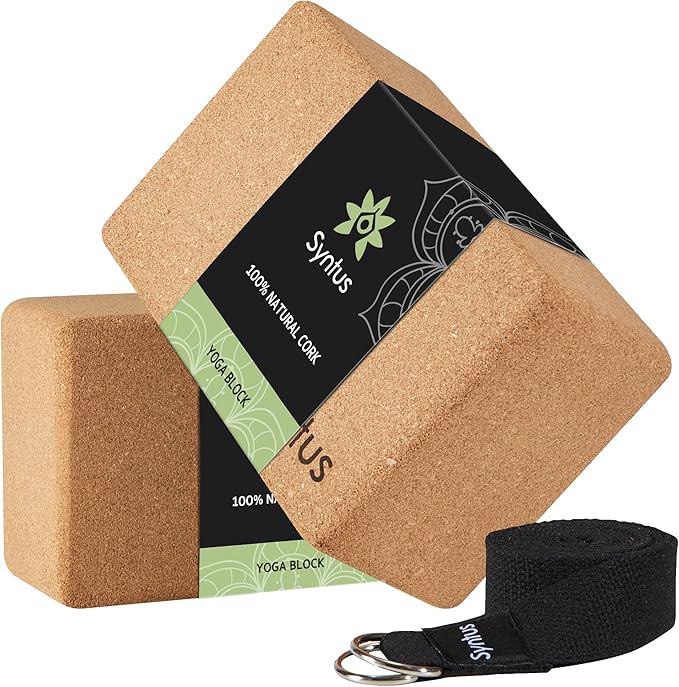
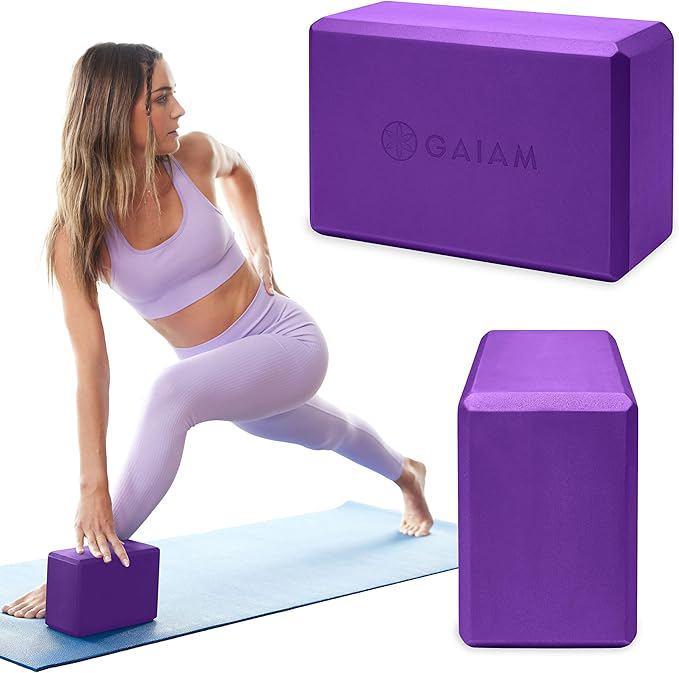
- Place your hands on blocks or your shins to reduce the load.
- Engage your lower belly to support your spine.
Deep twists (Revolved Chair, Marichyasana)
Twists can be cleansing, but deep, forceful rotation can irritate spinal joints.
- Initiate the twist from your mid-back, not your lower back.
- Use an exhale to gently deepen, never force.
- If seated, ensure your spine is long before you twist.
Backbends (Cobra, Upward-Facing Dog)
These poses require extension through the entire spine. Collapsing into the lower back is a common misstep.
- Focus on lengthening your tailbone down and engaging your glutes and core to protect the lumbar spine.
- In Cobra, keep your pubic bone on the mat and lift only as high as you can without pinching your back.
Building a supportive sequence
A practice for back health often emphasizes grounding, strengthening, and gentle release. Here’s a framework you can adapt.
Start with centering and breath. Begin lying on your back with knees bent (Constructive Rest Position). Place your feet hip-width apart and let your knees fall in toward each other. Breathe deeply into your belly and ribcage, allowing your back to soften toward the floor. This position naturally releases the psoas muscle, a common contributor to back tension.
Incorporate cat-cow stretches on your hands and knees, moving slowly with your breath. Focus on creating even, segmental movement throughout the entire spine rather than dumping movement into one area.
Strengthen your foundation. Poses like Bird-Dog (extending opposite arm and leg while on all fours) and modified Plank (on your knees) build incredible core stability without straining the back. Hold for quality, not duration.
Include supported hip openers. Tight hips can pull on the lower back. Reclined Pigeon (figure-four stretch while lying on your back) or a gentle Supine Twist with knees bent are excellent, low-risk options.
Always end with Savasana. Allow your body to integrate the work. Place a bolster or rolled blanket under your knees to take any tension off your lower back. This final relaxation is where much of the nervous system calming occurs.
Remember, consistency with a modest, mindful practice will yield far better results than occasional intense sessions. Your practice is for you, not for an image. If pain persists or worsens, consulting a healthcare professional—especially one familiar with therapeutic yoga—is the wisest next step. They can help you identify the specific patterns behind your discomfort and tailor these strategies even further.