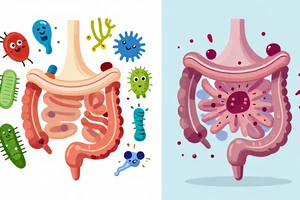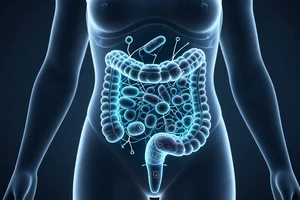
You hear a lot about probiotics—the live, friendly bacteria that keep your digestion humming. But those microbes need food to thrive, and that food is prebiotic fiber. Unlike the roughage that simply adds bulk, prebiotic fibers are specific types of plant carbohydrates that resist digestion until they reach your colon, where they selectively feed beneficial bacteria like Bifidobacterium and Lactobacillus.
A diet lacking in prebiotic fiber doesn't just mean sluggish digestion. Because your gut microbiome influences everything from immune regulation to mood and even blood sugar control, a deficiency can show up in surprising ways. Here is how to recognize the signs, based on current nutritional science, and what to do about it without resorting to a supplement list.
What counts as prebiotic fiber—and what doesn't
Not all fiber is prebiotic. Soluble fibers like beta-glucan (oats) and psyllium are excellent for cholesterol and regularity, but only certain fibers possess the molecular structure to ferment selectively and stimulate growth of good bacteria. The well-studied prebiotics include inulin, fructooligosaccharides (FOS), galactooligosaccharides (GOS), and resistant starch. You find them in whole foods: chicory root, onion, garlic, leeks, asparagus, banana (especially slightly green ones), oats, barley, and cooked-and-cooled potatoes.
If your diet is low in these specific plants, you might be getting enough total fiber from sources like wheat bran or cellulose (insoluble fibers) yet still be missing the prebiotic varieties your microbiota relies on.
Six red flags that could signal low prebiotic intake
This isn't about diagnosing a medical condition—true deficiency should be assessed by a healthcare professional. But the following signs often correlate with a microbiome that isn't being fed enough prebiotic fuel.
1. Irregular bowel habits despite adequate hydration
Prebiotics promote stool bulking and soften consistency by increasing bacterial mass and short-chain fatty acid (SCFA) production. If you are hydrated, active, and eat a decent amount of total fiber yet still experience constipation or an unpredictable rhythm, you may lack the fermentable fibers that keep gut transit regular. A 2017 systematic review in Nutrients found that inulin-type fructans significantly improved stool frequency and consistency in adults with constipation.
2. Poor stress tolerance or low mood fluctuations
The gut-brain axis relies heavily on SCFAs—byproducts of prebiotic fermentation—to support the production of neurotransmitters like serotonin (over 90% of which is synthesized in the gut). Research published in Psychopharmacology (2015) showed that prebiotic supplementation reduced cortisol reactivity to stress and altered emotional processing in healthy volunteers. If you feel emotionally flat or unusually reactive without an obvious trigger, your gut bacteria may not have the fuel to maintain healthy signaling.
3. Frequent minor illnesses or slow recovery
Up to 70% of your immune system resides in gut-associated lymphoid tissue. Prebiotic fibers nourish bacteria that regulate T-cell activity and produce metabolites called postbiotics, which influence immune tolerance and response. A 2018 clinical trial in Frontiers in Immunology demonstrated that FOS supplementation increased IgA levels—the antibody that protects mucosal surfaces—by over 28% in older adults. Recurring colds or infections could reflect a microbiome deprived of immune-supporting fuel.
4. Intense sugar and refined carb cravings
Emerging evidence suggests that gut bacteria can influence food preferences by sending signals to the brain through vagal nerve pathways. When beneficial bacteria are starved, opportunistic microbes that thrive on simple sugars may proliferate, potentially reinforcing cravings for the very foods that harm microbial diversity. While this area is still being studied, a sudden uptick in sweet cravings after a period of low fiber intake is worth noting.
5. Skin that looks sullen or inflamed
There is a documented gut-skin axis. SCFAs, particularly butyrate, regulate inflammation and support skin barrier integrity. A 2020 review in Nutrients linked low fecal SCFA levels to more severe eczema and acne. If topical skincare routines aren't delivering results, your internal microbiota environment might be the missing piece.
6. Post-meal brain fog or energy slumps
Prebiotic fibers slow the absorption of glucose by forming gels that delay gastric emptying. This leads to a flatter blood sugar curve after meals. Without that buffer, rapid glucose spikes and crashes can cause cognitive fog, fatigue, and irritability within two to three hours of eating. A diet rich in fermentable fibers helps sustain both mental clarity and energy.
How to check your fiber landscape without a laboratory
The simplest first step is a quick mental audit. Track a typical day's plant intake, focusing on the specific foods listed earlier. The average American consumes about 15 grams of total fiber daily, well below the recommended 25–38 grams, and prebiotic-specific intake is seldom quantified. If you rarely eat onions, garlic, leeks, artichokes, asparagus, bananas (or plantains), oats, barley, or legumes, you are almost certainly low on prebiotic fiber.
Try this 7-day challenge: incorporate one prebiotic-rich food into two meals per day—a half-cup of cooked oats, a banana before a workout, or a side of chickpeas or lentils with dinner. Monitor changes in digestion, satiety, and energy over the week.
Practical ways to rebuild prebiotic intake
The goal isn't to load up on inulin powder or synthetic FOS syrups, which can cause gas and bloating if introduced too quickly. Instead, use whole foods and gradual increases.
- Breakfast: Rolled oats cooked in water or milk, topped with a sliced banana and a tablespoon of ground flaxseed (flax contains lignans that also have mild prebiotic effects).
- Lunch: Add a handful of raw or grilled onion, a spoonful of sauerkraut (fermentation preserves prebiotics), and a few spears of asparagus to a salad or grain bowl.
- Dinner: Simmer leeks and garlic into soups, stews, or pasta sauces. If you tolerate legumes, three-quarters of a cup of white beans or black beans provides both prebiotic fiber and protein.
- Snacks: A small apple (the pectin and polyphenols support bifidobacteria) or a handful of almonds. Stick to one serving—too much fiber at once can backfire.
If you choose supplemental prebiotics, start with a single dose (about 2–3 grams) and increase by 1 gram every three days. Gastrointestinal discomfort is a signal to slow down, not give up.
The bottom line on deficiency detection
Prebiotic fiber deficiency isn't a medical diagnosis, but it is a common nutritional gap with real consequences for gut health, immunity, and mental well-being. The signs are subtle and often dismissed as random symptoms. By shifting your attention to the specific fermentable fibers in whole plant foods—not any fiber, but the ones that feed your beneficial bacteria—you can correct the imbalance without counting grams or buying supplements. The best test is a two-week dietary adjustment: if your digestion stabilizes, your energy evens out, and you feel more resilient, your microbiome was likely signaling for better food all along.
Disclaimer: This article is for general educational purposes and does not replace individualized medical advice. Consult a physician or registered dietitian before making significant dietary changes, especially if you have a history of gastrointestinal disorders or are taking medication.