
Your gut microbiome is as unique as your fingerprint, and keeping an eye on its health has never been more accessible. While a full clinical analysis requires a doctor's visit, there are practical, expert-backed ways to check your gut bacteria balance right from your living room. These methods focus on observable signs and simple at-home tests that give you a reliable snapshot without needing a lab coat.
The goal here is not to self-diagnose a medical condition but to understand the signals your body sends every day. By paying attention to digestion, energy, and even your mood, you can gauge whether your gut flora is thriving or needs a little support. Below, we break down the most effective strategies that health professionals commonly recommend for at-home assessment.
What Your Body Language Says About Your Gut
Before you buy any test kit, start with a week-long observation of your own patterns. Your digestive system is remarkably communicative. The consistency, color, and frequency of your bowel movements are primary indicators. The Bristol Stool Chart, a widely used clinical tool, can help you categorize your stool on a scale from 1 (hard lumps) to 7 (liquid). A healthy balance typically lands around types 3 or 4—smooth, soft, and easy to pass.
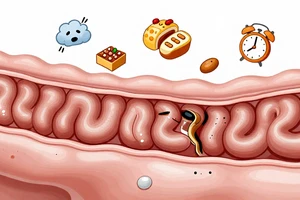
Other physical cues include persistent bloating, gas, or heartburn after meals. If you notice that certain foods consistently cause discomfort, that can be a clue about bacterial overgrowth or a lack of certain microbes. Similarly, your energy levels and skin clarity often reflect gut health. Chronic fatigue, brain fog, or unexplained skin breakouts can sometimes point to an imbalance known as dysbiosis.
A quick gut check: If you feel excessively sleepy within 30 minutes of eating a balanced meal, it may be worth looking at your gut's ability to process food efficiently.
At-Home Gut Microbiome Test Kits: What They Tell You
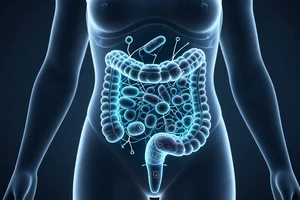
One of the most direct methods for checking your gut bacteria balance at home is a commercial stool test kit. These kits, which you order online and mail to a lab, analyze the DNA of your stool sample. Experts generally agree they are reliable for identifying the relative abundance of different bacterial species, such as Bifidobacterium and Lactobacillus, which are associated with good gut health.
When choosing a kit, look for one that provides actionable insights rather than just a list of bacteria names. The best reports will explain your microbial diversity score—higher diversity is generally linked to better health—and offer dietary suggestions based on your results. Be aware that these tests do not diagnose diseases; they are educational tools designed to give you a baseline.
To get accurate results, follow the collection instructions carefully. Most require you to refrigerate the sample and mail it within 24 hours. Results typically arrive in 2–4 weeks via a digital dashboard.
Limitations of Home Testing
It is equally important to know what these tests cannot do. They cannot detect specific pathogens unless the test is designed for that, and they are not a substitute for a medical diagnosis if you have symptoms like blood in your stool or unexplained weight loss. Think of them as a mirror for your diet and lifestyle, not a prescription pad.
The 24-Hour Food Log Method
Health professionals often recommend a detailed food and symptom diary as a low-cost alternative to a lab test. For three days, write down everything you eat and drink, along with any physical or emotional changes. Look for patterns: Does a high-sugar meal cause bloating? Does yogurt settle your stomach?
This method helps you identify potential triggers and track how your gut responds to different nutrients. For example, if you consistently feel great after eating fibrous vegetables like asparagus or artichokes, it suggests your gut bacteria are actively fermenting those fibers, which is a positive sign of a balanced ecosystem.
Combine this log with noticing your mental health. The gut-brain axis is well-documented; if you feel unusually anxious or irritable after eating, it may indicate that your gut bacteria are not producing enough neurotransmitters like serotonin, which is largely manufactured in the gut.
Simple Breath and Urine Clues
While not as precise as a stool test, your breath can tell you something about small intestinal bacterial overgrowth (SIBO). A sudden increase of hydrogen or methane in your breath after consuming a sugar solution is a clinical marker for SIBO. At home, you can notice if you have chronic bad breath or excessive gas that smells particularly sour or sweet. These can be rough indicators of fermentation happening in the wrong part of your gut.
Urine color and odor also play a role. Highly concentrated urine with a strong odor may indicate dehydration, which directly affects gut motility. If your urine is clear but you still feel constipated, the issue may lie in your gut flora composition rather than fluid intake alone.
When to Trust Your Gut and See a Professional
Recognizing when to move from home observation to professional help is crucial. If your at-home checks reveal consistent abnormalities—such as diarrhea for more than two weeks, severe abdominal pain, or unintentional weight changes—it is time to see a gastroenterologist. They can run comprehensive tests like a colonoscopy or a breath test for SIBO that go beyond what any home kit can offer.
The key takeaway is that checking your gut bacteria balance at home is a proactive step for general wellness. It empowers you to make informed choices about your diet and lifestyle. By combining stool analysis with keen self-observation, you can build a clear picture of your digestive health and take action when needed.