Probiotics are celebrated for their role in digestive health, but the first few days of introducing them can sometimes feel counterproductive. If you have ever started eating yogurt, kimchi, or kombucha only to notice a puffy stomach and rumbling gas, you are not alone. That temporary discomfort is a sign that your gut microbiome is adjusting to new bacterial strains, and with a few strategic adjustments, you can skip the bloat and still get the benefits.
Why do probiotic-rich foods sometimes cause bloating?
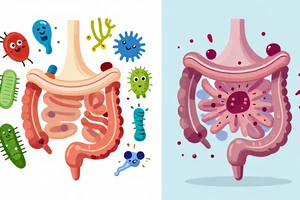
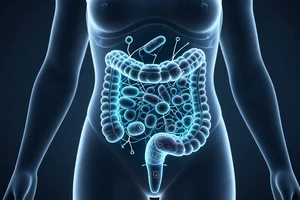
When you consume live active cultures, they begin interacting with the existing microbes in your large intestine. This process can produce short-term gas as the bacteria ferment undigested fiber. The sensation of fullness or bloating usually peaks within the first few days and fades once your gut adapts. The key is not to avoid probiotics altogether, but to introduce them in a way that respects your digestive system’s current state.
Start with a smaller serving size
One common mistake is jumping straight to a full serving of a high-probiotic food. A single cup of yogurt might be fine for some, but if your system is sensitive, even half a cup can trigger noticeable distention. Begin with one to two tablespoons of plain yogurt, a small forkful of sauerkraut, or a few sips of kefir. Wait a few days and slowly increase the portion. This gradual ramp-up gives your gut time to respond without overwhelming it.
Choose strains and foods known for gentle adaptation
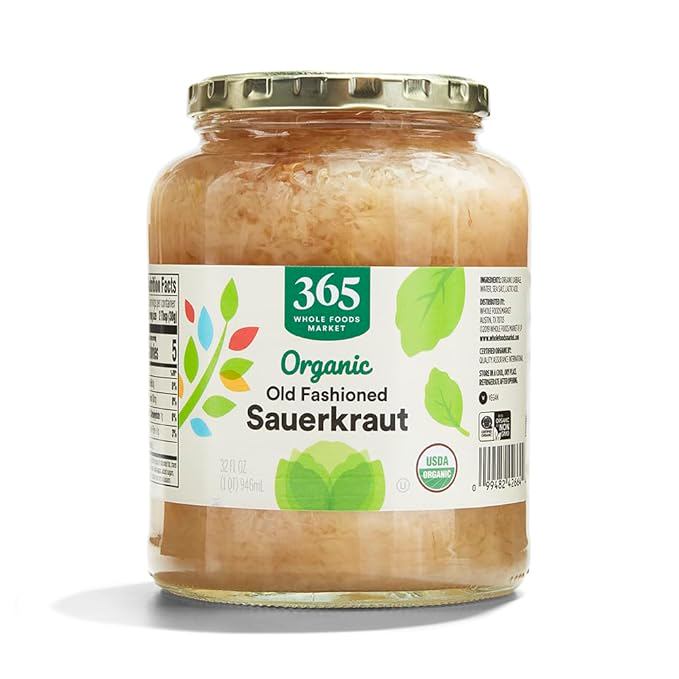
Not all probiotics affect everyone the same way. Strains like Lactobacillus rhamnosus GG and Bifidobacterium lactis are often well tolerated. On the food side, fermented vegetables such as sauerkraut and kimchi contain higher levels of histamines that can aggravate gas in certain people. If you notice that specific foods cause more bloating than others, try swapping for a different option:
- Plain yogurt or skyr – typically easier on the stomach than aged cheeses.
- Kefir – a liquid probiotic that you can sip slowly; consider a low-lactose version if dairy is an issue.
- Tempeh – a less tangy, high-protein option that tends to ferment more slowly in the gut.
- Miso paste – using a small amount in broth provides probiotics with a gentle delivery.
Pair probiotics with prebiotic fiber
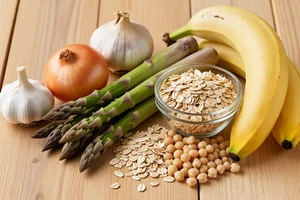
It sounds counterintuitive because fiber itself can cause gas, but the right type of prebiotic fiber actually helps probiotics settle in without sudden bloating. Foods like cooked oats, ripe bananas, and steamed asparagus feed beneficial bacteria in a measured way. Avoid raw, high-fiber vegetables in large quantities at the same meal as probiotic foods until your digestion feels comfortable.
Quick tip: Add a tablespoon of cooked, cooled potato or rice to your probiotic meal. The resistant starch that forms during cooling acts as a mild prebiotic and may reduce the sharp gas response.
Watch the timing and temperature
Eating probiotic foods on an empty stomach can cause faster fermentation and more noticeable gas. Instead, consume them alongside a meal that includes some protein and fat. That slows digestion and gives the bacteria more time to integrate. Also, cold foods like yogurt and kefir can shock a sensitive stomach; letting them sit at room temperature for 10 to 15 minutes eases the gut reaction.
Hydrate properly
Water helps move fiber and bacteria through the intestines, reducing the chance of stagnation and gas. If you are increasing your intake of probiotic foods but not drinking enough water, the bloating will likely last longer. Aim for a glass of water with each probiotic-containing meal, and sip water steadily during the day.
Common questions about probiotic foods and bloat
How long does probiotic bloat usually last?
For most people, the adjustment period is between three and seven days. If you are starting with very small portions and still feel uncomfortable after two weeks, you may be sensitive to a specific strain or food. In that case, switch to a different probiotic source or try a lower-diversity food like plain yogurt before experimenting with kimchi or sauerkraut.
Can I take a digestive enzyme to help?
Digestive enzymes that contain lactase or alpha-galactosidase may reduce gas when taken with probiotic foods that contain dairy or beans. They are not necessary for everyone, but they can be a support during the first week of adding new fermented foods. As with any supplement, it is wise to check with a healthcare professional if you have underlying conditions.
Should I avoid probiotics if I have IBS or SIBO?
Because small intestinal bacterial overgrowth (SIBO) and irritable bowel syndrome (IBS) involve an already sensitive gut, introducing probiotics should be done under the guidance of a gastroenterologist or dietitian. Some strains may actually worsen symptoms in SIBO. For general wellness without a diagnosed condition, the gradual method described here is usually safe, but discontinue use if bloating is severe or accompanied by pain.
Is it better to get probiotics from food or supplements?
Fermented foods offer a wider array of nutrients and bioactive compounds than most supplements. However, supplements can be useful if you need a specific strain at a precise dose. Food sources are generally more forgiving for the digestive system because they come with natural buffers like fat, protein, and fiber. For most people aiming to reduce bloat, food first is the recommended approach.
What if I still feel bloated after a week?
Consider keeping a food diary to identify patterns. You might be sensitive to a particular type of probiotic, such as those in dairy-based foods, or you might be eating too much fiber alongside the probiotics. Try reducing the portion further or switching to a water-based fermented food like brine-cured pickles (without vinegar) or kombucha. If symptoms persist, consult a healthcare provider.