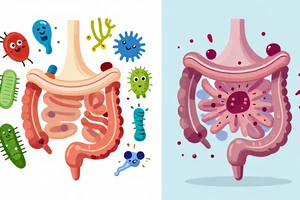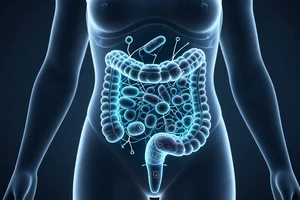

Antibiotics are lifesavers, but for older adults, they can come with a significant downside: a disrupted gut microbiome. When those broad-spectrum drugs clear out an infection, they don't discriminate between the harmful bacteria causing your illness and the beneficial bacteria that support digestion, immunity, and even mood. For seniors, whose gut microbial diversity may already be naturally declining, this collateral damage can feel particularly pronounced—leading to bloating, loose stools, or constipation long after the prescription is finished.
Getting back on track isn't about chasing magic bullets. It's about giving your gut the right conditions to repopulate on its own, using consistent, science-backed habits. Here is the expert-backed roadmap for seniors looking to restore their gut bacteria after a course of antibiotics, focusing on safety, patience, and real-world diet strategies.
Why seniors face a steeper climb with gut recovery
Aging itself changes the gut. Over time, the diversity of our microbiome tends to shrink. We produce less stomach acid, which can alter how food moves through the system and how microbes are kept in check. Add a round of antibiotics to this picture, and the recovery process can take longer than it would for a younger person.
This is why a general healthy-eating tip like "eat more fiber" isn't enough for an older adult recovering from antibiotics. The strategy needs to be gentle, deliberate, and mindful of other health factors like medication interactions or reduced appetite.
The golden rule: Wait until you've finished your full course of antibiotics before actively trying to boost gut bacteria. Taking probiotics or heavy prebiotic fibers at the same time as antibiotics can reduce the drug's effectiveness for some infections.
Lean into prebiotic foods first
Before you spend money on probiotic supplements, focus on feeding the bacteria that are still there. Prebiotics are types of fiber that act as fertilizer for your gut microbes. For seniors, the key is to introduce these slowly to avoid gas and cramping.
Easy-to-digest prebiotic foods to rotate into your meals include:
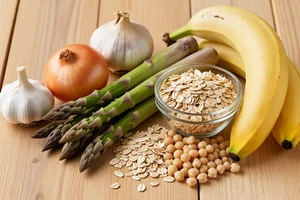
- Cooked and cooled potatoes or rice. The cooling process creates resistant starch, a gentle prebiotic that reaches the colon intact.
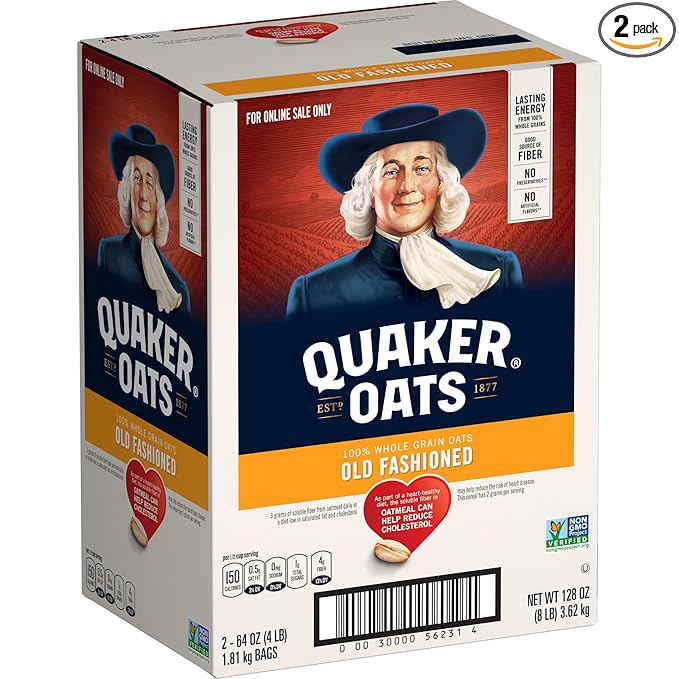
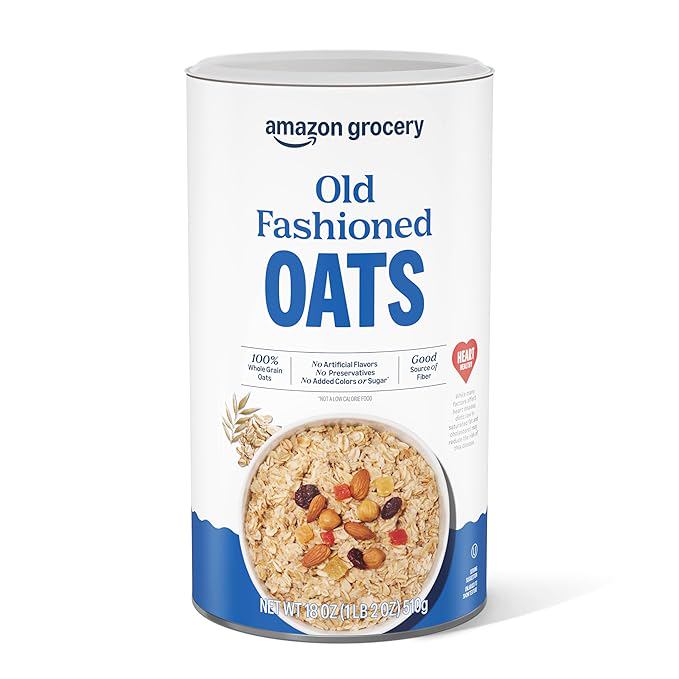
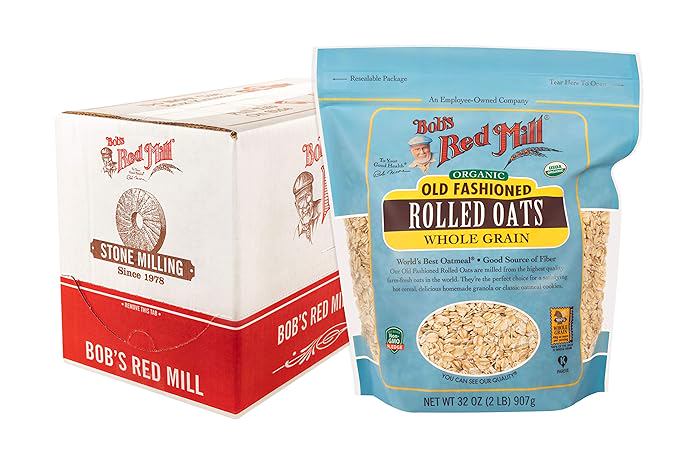
- Oats. A warm bowl of oatmeal is a reliable source of beta-glucan, which has prebiotic properties.
- Bananas. Especially slightly green ones, which contain resistant starch without being harsh on the stomach.
- Cooked onions and garlic. Gentle cooking can make these easier to tolerate than raw versions. Add them to soups or stews.
Add fermented foods for live microbes
Fermented foods are the most direct way to introduce live, beneficial bacteria back into your system. Unlike supplements, they come with a built-in food matrix that can help the microbes survive the journey through your stomach acid.
For seniors, the texture and salt content matter. Start with small servings—think a forkful of sauerkraut on the side of a meal, or a quarter-cup of plain yogurt at breakfast. Look for labels that say "live and active cultures" or "unpasteurized." Good starting options include:
- Plain Greek yogurt or kefir (choose low-sugar varieties to avoid feeding unwanted bacteria).
- Miso paste (stir a teaspoon into hot water for a gentle, probiotic-rich broth).
- Lacto-fermented pickles or sauerkraut (found in the refrigerated section of the grocery store, not the shelf-stable aisle).
Aim to include one small serving of a fermented food daily for at least two to four weeks after finishing your antibiotics. Consistency matters more than quantity.
Hydrate with purpose
Hydration is often overlooked in gut health conversations, but it is foundational. Seniors have a diminished sense of thirst, and dehydration can slow down digestion and make it harder for the gut lining to repair itself. After antibiotics, water helps flush out any remaining drug metabolites and supports the movement of fiber through the colon.
If plain water is unappealing, try unsweetened herbal teas like ginger or peppermint—both can also soothe digestive discomfort. Avoid sugary sports drinks and sodas, as high sugar intake can feed less desirable gut microbes during this sensitive recovery window.
The role of fiber: go slow and think soluble
Fiber is critical, but not all fiber is equal for a post-antibiotic gut. In the immediate days after finishing your medication, your microbiome is in a fragile state. Bombarding it with large amounts of insoluble fiber (like wheat bran or raw broccoli stems) can cause bloating.
Instead, prioritize soluble fiber, which dissolves in water and is gentler. Think of it as a soothing blanket for the gut lining. Excellent sources for seniors include:
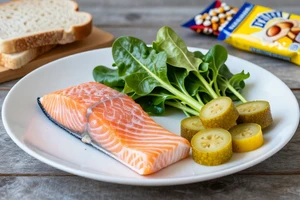
- Cooked carrots and zucchini
- Applesauce (unsweetened)
- Oat bran or cream of rice
- Well-cooked lentils (pureed if needed for easier digestion)
Gradually, over two to three weeks, you can begin adding more variety and insoluble fiber back in as your digestion normalizes.
When to consider a probiotic supplement
Not every senior needs a probiotic pill. Whole food sources are generally preferable because they don't carry the same risk of overgrowth or side effects in a compromised gut. However, in certain cases—such as after a prolonged course of antibiotics or a history of Clostridium difficile infection—a targeted probiotic may be helpful.
If you decide to use a supplement, look for one with documented strains for antibiotic recovery, such as Saccharomyces boulardii or Lactobacillus rhamnosus GG. Avoid products with dozens of strains, which can be overwhelming to a depleted microbiome. Most importantly, run the choice by your primary care doctor or a geriatric specialist to ensure there are no interactions with your current medications.
Heads-up for seniors on immune-suppressing drugs or with recent hospitalizations: Discuss any probiotic use with your doctor first, as there is a small risk of these live microbes causing infection in vulnerable individuals.
The bigger picture: sleep, stress, and moving forward
Gut recovery isn't just about food. Sleep quality and stress levels have a direct line to the microbiome via the gut-brain axis. An older adult recovering from an infection may already be dealing with disrupted sleep and the fatigue of being sick.
Simple, non-negotiable habits to support your gut include keeping a regular bedtime, taking a short walk after meals to stimulate digestion, and practicing five minutes of deep breathing once or twice a day. These small routines create an environment where beneficial bacteria can thrive again. It may take a few weeks to feel fully back to normal, and that is perfectly okay—your body is rebuilding an ecosystem, one day at a time.