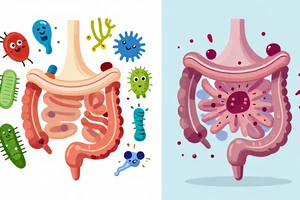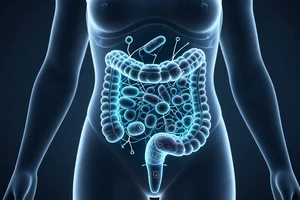

What you drink can be just as powerful for your gut as what you eat. Every sip you take interacts with the complex ecosystem of bacteria in your digestive tract, either supporting a balanced, thriving environment or contributing to inflammation and imbalance. Choosing the right beverages is a simple, daily habit with profound effects on digestion, immunity, and even mood.
This isn't about a restrictive cleanse or a complicated regimen. It’s about understanding how common drinks influence your gut microbiome—the trillions of microbes that call your intestines home—and making mindful swaps that add up to real, noticeable comfort and health.
What makes a drink “gut-friendly”?
Gut-friendly drinks generally share a few key traits. They can be a source of prebiotics, which are types of fiber that feed the beneficial bacteria already living in your gut. Think of them as fertilizer for your microbiome. Other drinks may contain probiotics themselves—live, beneficial bacteria that can temporarily join the community. Perhaps most importantly, gut-supportive drinks avoid elements that harm good bacteria or trigger inflammation, such as excessive sugar, artificial sweeteners, and certain chemical additives.
The goal is to nurture an environment where diverse, beneficial microbes can flourish. When they do, they help digest food, produce essential vitamins, strengthen the gut lining, and communicate with your immune system.
Drinks to sip for a happier gut
These beverages can become staples in a gut-healthy routine.
Kefir and probiotic-rich fermented drinks
Kefir is a fermented milk drink that stands out for its diverse and potent probiotic content. It’s often more powerful than yogurt, containing dozens of different bacterial strains and yeasts that can help colonize the gut. For those avoiding dairy, water kefir (made with sugar water or coconut water) offers a similar probiotic boost. Kombucha, a fermented tea, also provides probiotics and organic acids, though its microbial profile can vary widely by brand.
When shopping for fermented drinks, look for options stored in the refrigerator with minimal added sugar to ensure live cultures are present.
Bone broth
Simmered for long periods, bone broth is rich in amino acids like glutamine and glycine. Glutamine is a primary fuel source for the cells lining your intestinal wall, helping to maintain a strong, intact gut barrier. A healthy barrier is crucial for preventing “leaky gut,” where particles escape into the bloodstream and trigger inflammation. A warm cup of bone broth is a soothing, supportive choice.
Green tea and herbal infusions
Green tea contains polyphenols, powerful plant compounds with antioxidant and anti-inflammatory effects. Research suggests these polyphenols aren’t fully digested by us; instead, they travel to the colon where they act as prebiotics, promoting the growth of beneficial bacteria like Bifidobacterium. Herbal teas like ginger, peppermint, and chamomile don’t typically contain prebiotics, but they can soothe digestive discomfort, reduce bloating, and calm the nervous system, which is intimately linked to gut function.
Plain, still water
Never underestimate the power of pure hydration. Water is essential for every bodily process, including moving fiber through the digestive tract and supporting the mucosal lining of the intestines. Dehydration can quickly lead to constipation, disrupting the gut's rhythm and balance. Aim to make water your primary drink throughout the day.
Drinks to limit or skip for gut balance
Some beverages can be disruptive guests in your digestive system. Moderation is often the key.
Sugary sodas and sweetened juices
These are among the biggest offenders for gut health. A high intake of simple sugars can feed less desirable bacteria and yeast (like Candida), allowing them to outcompete beneficial strains. This imbalance, called dysbiosis, is linked to increased inflammation, bloating, and a weakened gut barrier. Even 100% fruit juice, lacking the fiber of whole fruit, delivers a concentrated sugar rush that can have similar effects.
Diet sodas and artificially sweetened drinks
Switching to “diet” might seem like a solution, but artificial sweeteners like aspartame, sucralose, and saccharin pose their own problems. Studies indicate they may negatively alter the composition and function of the gut microbiome, reducing microbial diversity. For some people, they can also cause bloating and gas as the gut bacteria ferment these unfamiliar compounds.
Excessive alcohol
While an occasional glass of red wine (which contains gut-friendly polyphenols) may be fine, heavy or frequent alcohol consumption is damaging. Alcohol can increase intestinal permeability (leaky gut), cause inflammation, and alter the microbiome. It’s also dehydrating, which compounds digestive issues. If you drink, do so mindfully and with plenty of water.
Caffeine in excess
A morning coffee is okay for many people and may even stimulate bowel movements, which can be helpful. However, excessive caffeine from multiple coffees, energy drinks, or strong teas can increase stress hormones like cortisol. Elevated cortisol can slow digestion, increase gut sensitivity, and negatively impact the bacterial balance. It’s also a diuretic, which can contribute to dehydration if you’re not drinking enough water alongside it.
Building your gut-healthy drink routine
You don’t need to overhaul everything at once. Start with one positive swap. Replace one sugary drink per day with herbal tea or sparkling water with a squeeze of lemon. Introduce one probiotic-rich drink, like a small kefir, a few times a week and see how you feel. Pay attention to how different beverages affect your digestion, energy, and bloating. Your body will give you feedback.
Remember, consistency matters more than perfection. The cumulative effect of daily, gut-supportive choices is what leads to lasting balance and comfort. By mindfully choosing what’s in your glass, you’re directly nurturing the foundation of your overall well-being.