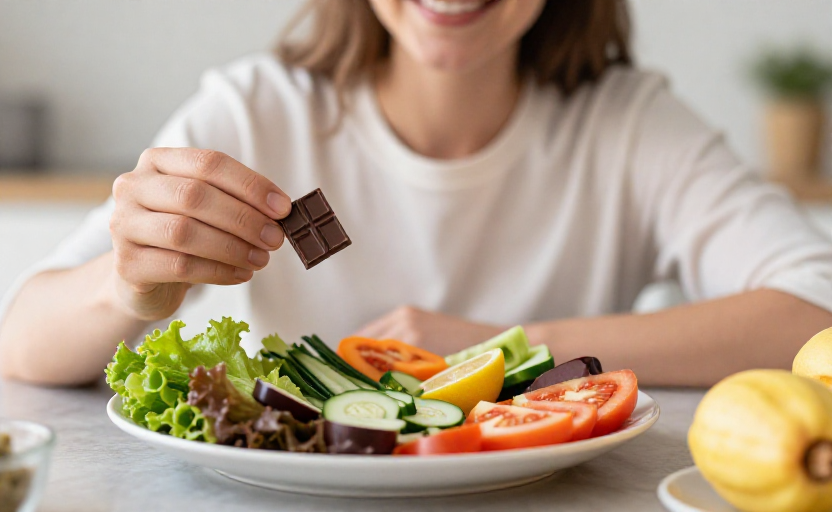
You’ve been eating well all week—green salads, grilled chicken, skipping the afternoon cookie plate. Then, around 3 p.m., the pull hits: something sweet, something now. You eat a square of chocolate. Or maybe a handful of gummy bears. And just like that, a little voice in your head whispers, Well, there goes the diet.
But does one sugar craving really undo all your hard work? Not necessarily. Here’s what a dietitian wants you to understand about cravings, flexibility, and what actually matters for long-term health.
Why One Sweet Treat Won’t Derail You
It’s easy to fall into all-or-nothing thinking: if you eat something “bad,” the whole day is lost. But health isn’t built on a single snack; it’s built on patterns. A single dose of sugar—say, 150 calories from a small cookie—does not cancel out the nutrient-dense meals you’ve eaten that day. Your body processes that sugar just like any other carbohydrate: it’s broken down into glucose, used for energy, or stored for later. The real issue isn’t the occasional indulgence; it’s the chronic overconsumption of added sugars over weeks and months.
In fact, research suggests that strict dietary rules can actually backfire. When you label a food as forbidden, cravings tend to intensify. Allowing yourself a small, intentional treat can reduce the psychological pressure that often leads to a full-blown binge later.
The Difference Between a Craving and a Habit
Not all sugar desires are equal. A true craving often feels urgent and specific—you want that chocolate bar, not an apple. This is partly neurological; sugar triggers the reward center in the brain, releasing dopamine. But cravings also have psychological and emotional roots: stress, boredom, or even a simple habit (you always eat dessert after dinner).
The key is to pause before you eat. Ask yourself: Am I hungry, or am I bored, tired, or stressed? If you’re genuinely hungry, a small treat can be part of a balanced response. If you’re eating to soothe an emotion, that’s a cue to address the feeling directly—take a walk, call a friend, or drink a glass of water first.
How to Handle a Sugar Craving Without Guilt
Here are a few realistic strategies a dietitian would recommend:
- Portion it out. Instead of eating from the bag, put a single serving on a plate. This gives you the satisfaction without mindless overeating.
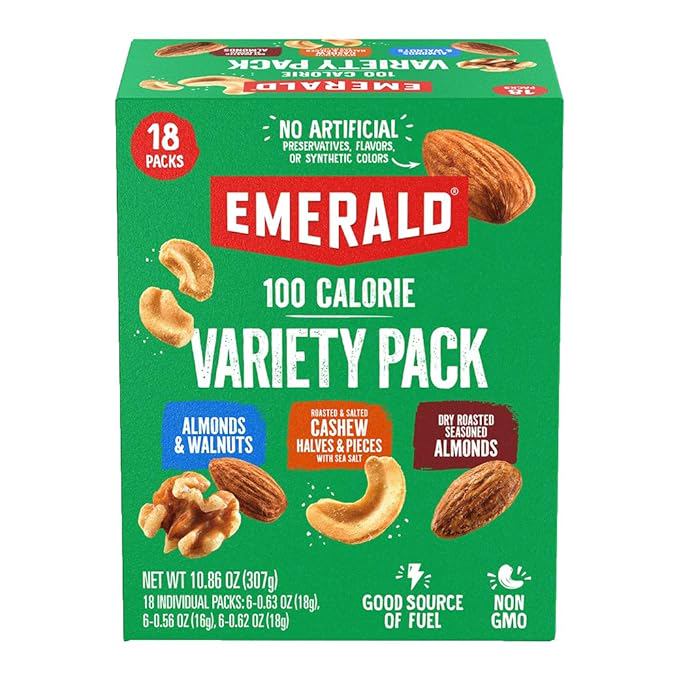
- Pair it with protein or fiber. Have your small sweet with a handful of almonds or a piece of fruit. This slows digestion and helps stabilize blood sugar.
- Delay, don’t deny. Tell yourself you can have the treat in 10 minutes. Often the urgency passes, and you may decide you don’t want it after all.
- Practice mindful eating. Sit down, take small bites, and truly taste it. You’ll likely feel satisfied with less.
What About the Rest of Your Diet?
One dessert won’t ruin your health, but a diet that’s mostly made up of ultra-processed foods and added sugars certainly can. The bigger picture is about balance: getting enough vegetables, protein, healthy fats, and whole grains most of the time, while leaving room for the foods you love. If your foundation is solid, a little sugar now and then is simply not a threat.
Think of your diet like a budget: one small indulgence is a minor expense, not a bankruptcy. The problem is when every meal feels like a splurge.
And if you find yourself craving sweets multiple times a day, it may be worth looking at your overall meals. Are you eating enough protein and fiber at breakfast and lunch? Are you staying hydrated? Are you getting enough sleep? Fatigue and hunger both amplify cravings.
When a Craving Might Signal Something Else
Occasional sugar cravings are normal. But persistent, intense cravings—especially if paired with other symptoms like fatigue, irritability, or blurred vision—could be a sign of blood sugar swings or other metabolic issues. If you’re concerned, a check-in with your healthcare provider or a registered dietitian can help you rule out underlying conditions and build a sustainable eating pattern that works for you.
At the end of the day, health is not about perfection. It’s about consistency, self-compassion, and making choices that support your well-being over the long haul. So go ahead, enjoy your cookie—and don’t let guilt take a bite out of your progress.