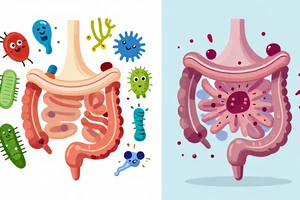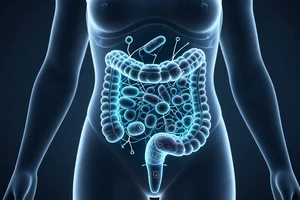
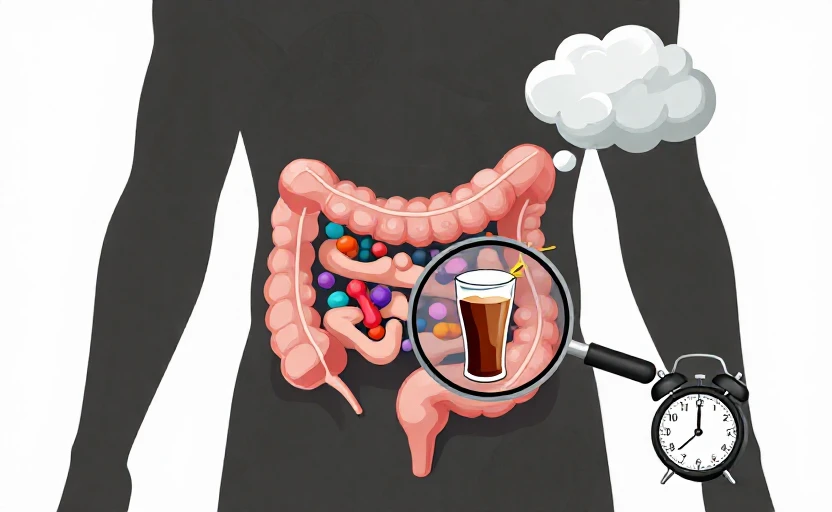
Your gut is more than just a digestive organ; it's a complex ecosystem teeming with trillions of bacteria, fungi, and other microbes that influence everything from your immune system to your mood. We often focus on what to add—probiotics, fiber, fermented foods—but sometimes the most impactful changes come from identifying and stopping the daily habits that quietly disrupt this delicate balance.
Many of these mistakes are woven into the fabric of our modern routines, making them easy to overlook. They aren't dramatic missteps, but subtle, repeated actions that, over time, can shift your gut microbiome in an unhelpful direction. Recognizing them is the first step toward creating an environment where your gut can truly thrive.
1. Relying on Artificial Sweeteners as a “Healthy” Swap
Switching from sugar to a zero-calorie sweetener in your coffee or diet soda seems like a smart move for your waistline. For your gut, however, it can be a confusing and disruptive trade-off. Research suggests that certain artificial sweeteners like aspartame, sucralose, and saccharin may negatively alter the composition and function of your gut bacteria.
These sweeteners are not food for your beneficial microbes. Instead, some studies indicate they may promote the growth of less desirable bacterial strains. This shift can affect how your body processes glucose and may even influence cravings. It’s a paradox: a product chosen to support health may inadvertently undermine the very system that regulates it.
Your gut microbes don’t recognize “zero calories.” They only recognize the chemical compounds you feed them.
This doesn’t mean you must choose sugar. The middle path involves reducing your overall desire for intense sweetness. Try gradually diluting sweetened drinks, using a sprinkle of cinnamon or a drop of vanilla extract for flavor, or simply allowing your palate to adjust to less sweetness over time.
2. Eating in a Rush or Under Stress
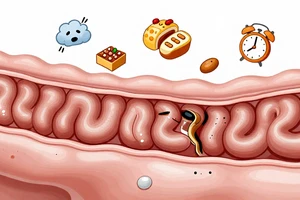
Digestion isn’t just a mechanical process; it’s a “rest and digest” function governed by your nervous system. When you eat while stressed, rushed, or distracted—scrolling through emails, dashing to a meeting, or watching an intense show—your body stays in a mild “fight or flight” mode.
In this state, blood flow is directed away from your digestive organs. The production of digestive enzymes and stomach acid decreases. Food is more likely to pass through your system incompletely broken down, which can lead to discomfort, bloating, and poor nutrient absorption. It also creates a stressful environment for your gut microbes.
Making a habit of even five minutes of calm before a meal can signal a shift. Take a few deep breaths, sit down at a table, and put away screens. Chew thoroughly. This simple act of mindful eating kickstarts the digestive process properly and tells your body it’s safe to focus on nourishment.
3. Skimping on Diverse Plant Foods
Your gut bacteria need fiber to survive—it’s their primary fuel. But not all fiber is the same. Different types of fibers (like inulin, pectin, and resistant starch) feed different families of beneficial bacteria. If you eat the same limited set of vegetables or grains every day, you’re feeding only a portion of your microbial community.
A lack of dietary diversity starves out some strains, reducing the overall resilience and richness of your microbiome. Think of it like a garden: if you only ever plant tomatoes, you’ll never get blueberries, carrots, or lettuce. A diverse diet cultivates a diverse, robust gut garden.
Aim for a “rainbow” over the week, not just at one meal. Incorporate different colored vegetables, various legumes (lentils, chickpeas, black beans), assorted whole grains (oats, quinoa, brown rice), and a mix of nuts and seeds. Each new plant food introduces unique fibers and polyphenols that specific microbes love.
4. Overusing Antibiotics and Not Supporting Recovery
Antibiotics are life-saving medicines, and you should always take them as prescribed by your doctor. Their job, however, is to kill bacteria, and they do so indiscriminately—wiping out harmful pathogens along with legions of beneficial gut residents. This is why antibiotic use is a common trigger for digestive upset.
The mistake isn’t taking antibiotics when necessary; it’s failing to consciously support your gut microbiome during and after the course. Many people simply return to their normal diet without a thought for the recovery process.
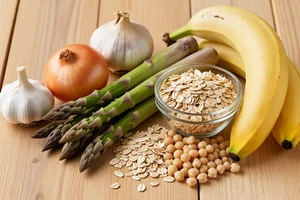
If you need antibiotics, discuss their necessity and spectrum with your healthcare provider. During and for several weeks after treatment, prioritize gut-supportive foods. Fermented foods like yogurt, kefir, and sauerkraut can introduce beneficial bacteria. Prebiotic-rich foods like garlic, onions, oats, and asparagus provide the fiber to help any remaining or newly introduced good bacteria regrow. Always finish the entire prescribed course; do not stop early.
5. Getting Inconsistent, Poor-Quality Sleep
Your gut has its own daily rhythm, and your microbes follow a circadian cycle just like you do. When you disrupt your sleep schedule with late nights, erratic bedtimes, or poor sleep quality, you disrupt their schedule, too. This can alter microbial activity and composition.
Chronic sleep deprivation is also a significant stressor on the body, increasing levels of cortisol and inflammation, which can damage the gut lining and create a hostile environment for beneficial bacteria. Furthermore, tiredness often leads to poorer food choices—reaching for sugary, processed snacks for quick energy—which compounds the problem.
Protecting your sleep is protecting your gut. Try to maintain a consistent sleep-wake cycle, even on weekends. Create a dark, cool, and quiet sleep environment. Limiting screen time and caffeine in the evening can also help synchronize your body’s—and your microbiome’s—natural rhythms.
Building a Gut-Friendly Routine
Improving your gut health is less about a radical overhaul and more about gently correcting course. Start by picking one of these common habits to focus on. Perhaps you commit to eating one meal a day without distraction, or you aim to add one new vegetable to your grocery cart each week.
Listen to your body’s signals. Less bloating, more regular digestion, and increased energy can be signs you’re moving in the right direction. Remember, consistency with small, positive actions always outweighs occasional perfection. By removing these subtle obstacles, you create the stable, nourishing environment your gut microbiome needs to support your overall well-being, day after day.