
You finish a meal that seems perfectly fine — maybe a bowl of pasta, a glass of milk, or a curry with beans — and within an hour you feel bloated, cramped, or just off. Unlike a sudden, dramatic allergic reaction, food intolerance tends to creep up. It’s uncomfortable, often confusing, and surprisingly common. Understanding what’s actually happening in your body and which foods are the usual culprits is the first step toward feeling better without guessing games.
What’s Happening Inside? Intolerance vs. Allergy
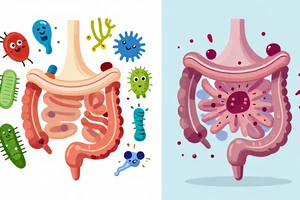
It’s easy to mix up food intolerance with a food allergy, but the mechanisms are entirely different. A true food allergy involves the immune system producing IgE antibodies, which can trigger hives, swelling, or anaphylaxis within minutes. Food intolerance, by contrast, is a digestive system problem. Your body lacks the enzymes needed to break down certain foods, or it reacts poorly to natural chemicals or additives. The result is gas, bloating, diarrhea, or stomach pain — not a life-threatening immune response, but definitely a quality-of-life issue.
Because symptoms are delayed and non-specific, people often live with a low-grade intolerance for years without connecting the dots. The key is observing the pattern: does the bloating always show up thirty minutes to two hours after eating a specific type of food?
Lactose Intolerance: The Most Common Culprit
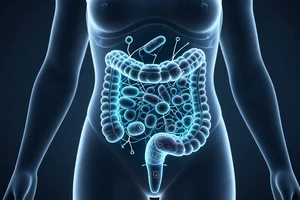
Lactose intolerance is the classic example. It occurs when the small intestine produces too little lactase, the enzyme that splits lactose (the sugar in milk) into absorbable pieces. Undigested lactose travels to the colon, where bacteria ferment it, producing gas and drawing in water. Symptoms include bloating, cramping, diarrhea, and sometimes nausea.
It’s more common in adults of East Asian, African, and Mediterranean descent, but anyone can develop it after a stomach bug or as they age. The fix isn’t necessarily cutting dairy forever: hard cheeses and yogurt often have less lactose, and lactase enzyme tablets can be taken before meals.
Fructose Malabsorption and FODMAPs
Fructose is a natural sugar in fruit, honey, and high-fructose corn syrup. Many people absorb fructose poorly, especially when it’s in excess of glucose. Enter the broader category of FODMAPs — fermentable oligosaccharides, disaccharides, monosaccharides, and polyols. These are short-chain carbohydrates that pull water into the gut and get rapidly fermented by gut bacteria, causing gas, distension, and altered bowel movements.
Common high-FODMAP foods include wheat, onions, garlic, beans, lentils, apples, pears, stone fruits, and sweeteners like sorbitol. A temporary low-FODMAP diet under guidance from a dietitian can help identify triggers and bring relief within a few weeks.
Fructose and Sweeteners at a Glance
- Fructose alone (honey, apples, high-fructose corn syrup) — hard to absorb for some.
- Polyols (sorbitol, xylitol) — found in sugar-free gum and some fruits like blackberries.
- Lactose — the milk sugar we covered above.
- Fructans and GOS — found in wheat, onion, garlic, and legumes.
Histamine Intolerance: Not Just Allergies
Histamine is a chemical naturally present in some foods and also released by certain bacteria during fermentation. Normally, enzymes called DAO and HNMT break it down. But some people have low DAO activity, letting histamine build up, which can trigger migraine headaches, flushing, nasal congestion, hives, and stomach upset after meals. High-histamine foods include aged cheese, cured meats, sauerkraut, wine, beer, tuna, and spinach.
The reaction can be tricky to recognize because it mimics allergy symptoms, but it doesn’t involve IgE antibodies. A low-histamine diet for a few weeks can help distinguish whether histamine is the problem.
Gluten Sensitivity vs. Celiac Disease vs. Wheat Intolerance
This is a common point of confusion. Celiac disease is an autoimmune disorder where gluten damages the small intestine — it requires lifelong, strict avoidance of wheat, barley, and rye. Non-celiac gluten sensitivity involves similar digestive symptoms (bloating, brain fog, fatigue) but without intestinal damage or positive celiac blood tests. Wheat intolerance may be related to FODMAPs (fructans) rather than gluten itself.
Trying to self-diagnose by removing gluten can mask celiac disease, so always get tested for celiac before starting a gluten-free diet. If tests come back negative, a careful elimination diet supervised by a professional can clarify whether gluten or another component of wheat is the real issue.
A food diary tracking meals, symptom onset, and stool consistency is your single most practical tool. Patterns become visible within one to two weeks.
Other Common Intolerances Worth Knowing
Beyond the big four, several other compounds can cause trouble:
- Caffeine — can speed up gut motility and cause loose stools or jitteriness in sensitive people.
- Sulfites — found in dried fruit, wine, and some processed foods; may trigger breathing difficulties in asthmatics.
- Salicylates — natural plant compounds in many fruits, vegetables, and spices; rare cause of hives and stomach pain.
- Alcohol — especially beer and wine, which combine ethanol, histamine, and sulfites.
Intolerances can also be temporary. After a bout of gastroenteritis, for example, lactase production may drop, leading to temporary lactose intolerance that resolves after healing.
When to See a Doctor
If you regularly experience bloating, diarrhea, abdominal pain, or nausea after eating, schedule a visit with your primary care provider or a gastroenterologist. Unexplained weight loss, blood in stool, or severe pain should be evaluated immediately. A doctor can rule out celiac disease, inflammatory bowel disease, and other conditions. Breath tests for lactose and fructose malabsorption are available, as is a low-FODMAP elimination diet supervised by a registered dietitian.
Food intolerance isn’t a one-size-fits-all condition. The causes range from missing enzymes (lactose) to chemical sensitivities (histamine) to carbohydrate malabsorption (FODMAPs). The symptoms may overlap, but the path forward is the same: careful observation, professional testing when needed, and targeted dietary changes that let you eat comfortably again.