Getting enough protein early in the day can make a real difference in how you feel—helping you stay full longer, steadying your energy, and supporting your body's natural repair processes. Yet many common breakfast and lunch options lean hard on carbs and fats, leaving protein as an afterthought. If you're looking to shift that balance without overhauling your entire kitchen, a handful of smart food swaps can bump up your protein intake while keeping meals satisfying and practical.
The trick isn't to add more food; it's to replace lower-protein ingredients with higher-protein alternatives that fit naturally into what you already eat. Below are some of the most effective, dietitian-friendly swaps for breakfast and lunch that will increase your protein without making meals feel complicated or restrictive.
Swap Your Morning Toast for a Protein-Rich Base
A typical slice of toast might give you 3 or 4 grams of protein, but it's mostly refined carbohydrates. Instead of building your breakfast around bread, try a slice of whole-grain or sprouted-grain bread topped with nut butter and a poached egg. The bread still provides fiber, while the egg adds about 6 grams of high-quality protein. For a grain-free option, use a portobello mushroom cap or a thick slice of roasted sweet potato as your base. Those alternatives are lower in carbs and bring unique vitamins, but they can also handle savory toppings like scrambled tofu, cottage cheese, or smoked salmon.
Another straightforward swap: replace your usual cereal or oatmeal with a savory breakfast bowl built around quinoa or farro. Both are complete proteins (meaning they contain all nine essential amino acids), and a cup of cooked quinoa has about 8 grams of protein. Top it with a fried egg, some sautéed spinach, and a sprinkle of seeds, and you've got a breakfast that keeps you full for hours.
Upgrade Your Yogurt and Smoothie Choices
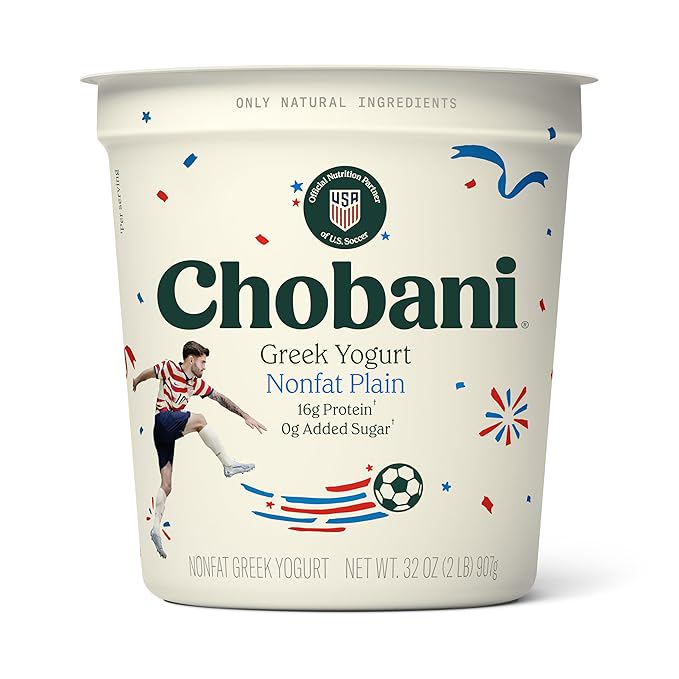
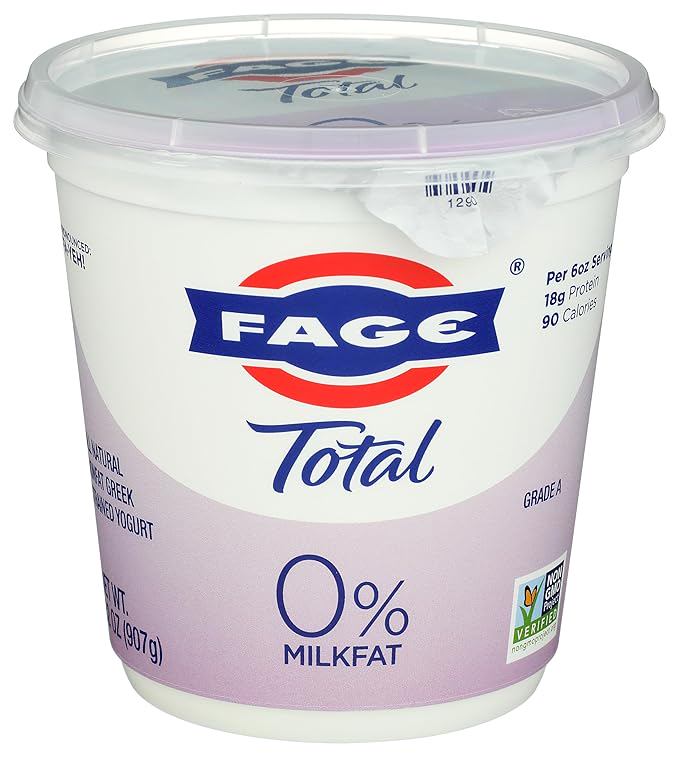
Many fruit-flavored yogurts are low in protein and high in added sugar. A simple change: choose plain Greek yogurt or unsweetened Icelandic skyr instead. A ¾-cup serving of plain Greek yogurt can deliver 15 to 20 grams of protein, compared to 5 or 6 grams in regular yogurt. If you're used to sweetening your yogurt with jam or honey, try mixing in a scoop of unflavored protein powder or a tablespoon of chia seeds (which add about 2 grams of protein per tablespoon, plus omega-3s).
For smoothies, the classic banana-and-berry blend can be surprisingly low in protein. Replace half the fruit with a generous scoop of plain cottage cheese or silken tofu. Cottage cheese is virtually flavorless when blended and adds around 14 grams of protein per half-cup. Silken tofu brings about 8 grams per half-cup and creates a creamy texture without a beany taste. For a dairy-free alternative, use unsweetened soy milk (7 to 8 grams of protein per cup) instead of almond or oat milk, which typically contain only 1 to 3 grams.
Rethink Your Lunch Sandwich and Salad
The typical lunch sandwich—bread, deli meat, cheese, lettuce, tomato—lands somewhere in the 15- to 20-gram protein range, but you can push that number higher without adding more meat. Start by swapping white bread for a whole-wheat wrap or a sliced bell pepper as a vehicle for fillings. Then, add a hard-boiled egg, a smear of hummus, or a handful of pumpkin seeds (pepitas) inside your wrap. Hummus provides about 2 grams of protein per tablespoon, but more importantly, it brings fiber and healthy fat to keep you satisfied.
If salad is your go-to lunch, the usual lettuce-and-vegetable mix may leave you hungry by midafternoon. Instead of relying only on chicken strips or croutons, bulk up the protein with:
- Edamame: half a cup of shelled edamame has about 11 grams of protein.
- Lentils or chickpeas: half a cup of cooked lentils has 9 grams of protein.
- Hemp seeds: two tablespoons add about 6 grams of protein and a nutty flavor.
- Hard-boiled eggs or grilled tofu: classic swaps that add 6 to 10 grams per serving.
Dressing matters, too. Replace creamy bottled dressings with a simple vinaigrette made with olive oil, lemon juice, and a spoonful of Greek yogurt or tahini. That small change can add another 2 to 4 grams of protein.
Simple Swaps for Your Morning Coffee or Tea
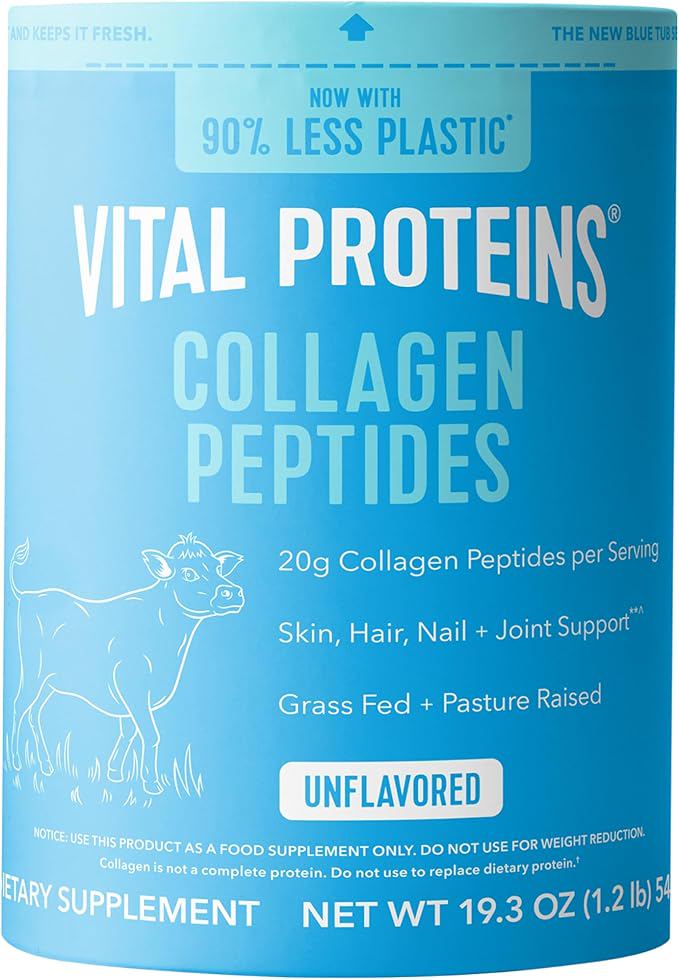
If your morning coffee comes with creamer and sugar, you're missing an opportunity. Swap the creamer for a splash of milk (2% or whole milk provides about 8 grams of protein per cup) or a scoop of collagen peptides powder. Collagen peptides dissolve cleanly into hot or cold liquids and add around 9 grams of protein per scoop, though they aren't a complete protein. For a plant-based option, try unsweetened soy or pea milk—both are higher in protein than almond or coconut milk.
Small shifts like these can add 15 to 30 grams of protein to your morning and midday meals without requiring a complete diet overhaul.
Final Thoughts on Protein-Boosting Swaps
Adding more protein to breakfast and lunch doesn't have to mean meal prepping complicated recipes or buying expensive specialty foods. It starts with recognizing the small places where a high-protein ingredient can easily replace a lower-protein one. The swaps above are designed to fit into everyday routines—so you can eat well, feel fuller, and support your body's needs with minimal fuss.
As with any dietary adjustment, it's best to make changes gradually and pay attention to how your body responds. If you have specific health concerns or dietary restrictions, consulting a registered dietitian can help you tailor these ideas to your individual needs.