Building flexibility is less about dramatic, painful stretches and more about consistent, gentle nudges. For a beginner, the goal isn’t to touch your toes in a week, but to create a sustainable daily rhythm that allows your body to gradually and safely open up. This approach respects your current limits while steadily expanding them, turning flexibility from a distant achievement into a natural byproduct of your routine.
Think of your muscles and connective tissues like clay. Cold clay is stiff and cracks under force. Warm, worked clay becomes pliable and can be shaped. Your daily yoga habits are the process of warming and working that clay—not with aggressive pulling, but with mindful, repeated attention.
How do I start a daily flexibility habit without getting hurt?
The single most important principle is to distinguish between a productive sensation and pain. A productive sensation might feel like a gentle lengthening, a mild tension, or a warm stretch in the belly of the muscle. Pain is sharp, stabbing, or radiates into a joint. Your daily mantra should be: “I feel the stretch, I do not feel the pain.” If pain appears, back off immediately.
Begin with just five to ten minutes a day. Consistency with a short practice is infinitely more valuable than a heroic hour-long session once a week that leaves you sore and discouraged. The goal is to make this feel accessible, not like a chore.
Your body adapts to what you do most often. A few minutes of mindful movement daily signals to your nervous system that this new range of motion is safe.
What should a daily beginner sequence include?
A simple, effective daily sequence focuses on major muscle groups that commonly get tight from sitting: the hamstrings, hips, back, and shoulders. You don’t need a complex flow. You need a handful of foundational poses, held with awareness.
Start with a gentle warm-up, even if it’s just circling your ankles and wrists, rolling your shoulders, and doing a few slow neck rolls. Then, move into poses that can be easily modified.
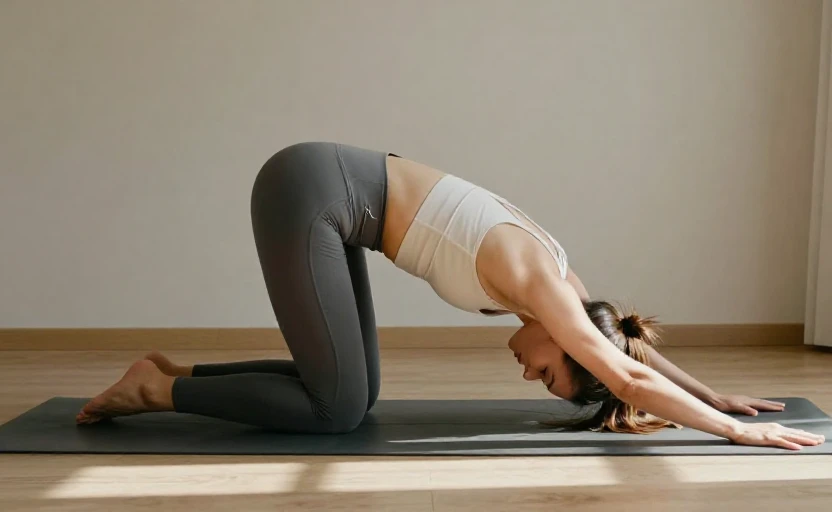
- Cat-Cow Stretch: On hands and knees, alternate between arching your back (Cow) and rounding it (Cat). This warms up the entire spine.
- Downward-Facing Dog: Bend your knees generously. The goal is to lengthen your spine, not straighten your legs. Pedal your feet to warm up the calves and hamstrings.
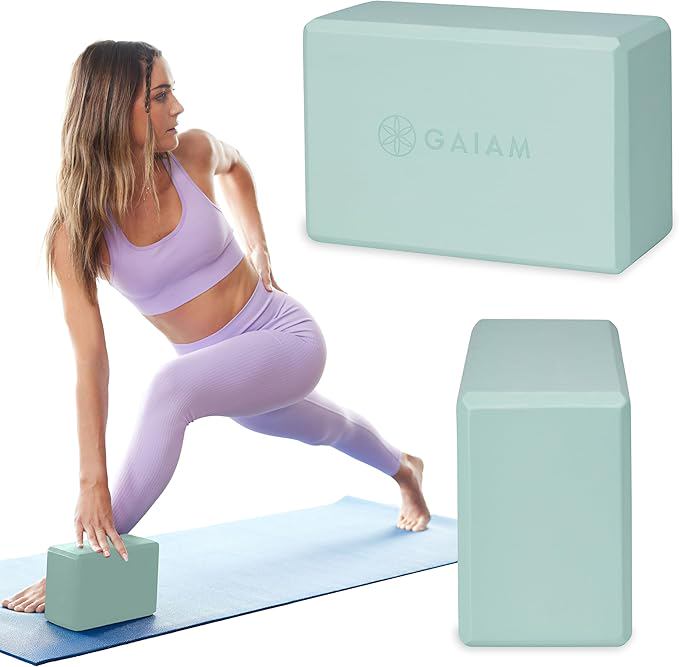
- Low Lunge: Step one foot forward between your hands. Keep your back knee down or lifted. Feel the stretch in the front of the back hip. This is crucial for hip flexibility.
- Seated Forward Fold: Sit with legs extended. If your hamstrings are tight, sit on a folded blanket and bend your knees. Hinge from the hips, not the waist.
- Supine Twist: Lying on your back, hug one knee in, then gently guide it across your body. Keep both shoulders on the floor. This releases the lower back.
Hold each pose for 5-8 slow breaths. The breath is your guide: inhale to create space, exhale to settle deeper into the stretch, never forcing.
How can I make my practice sustainable?
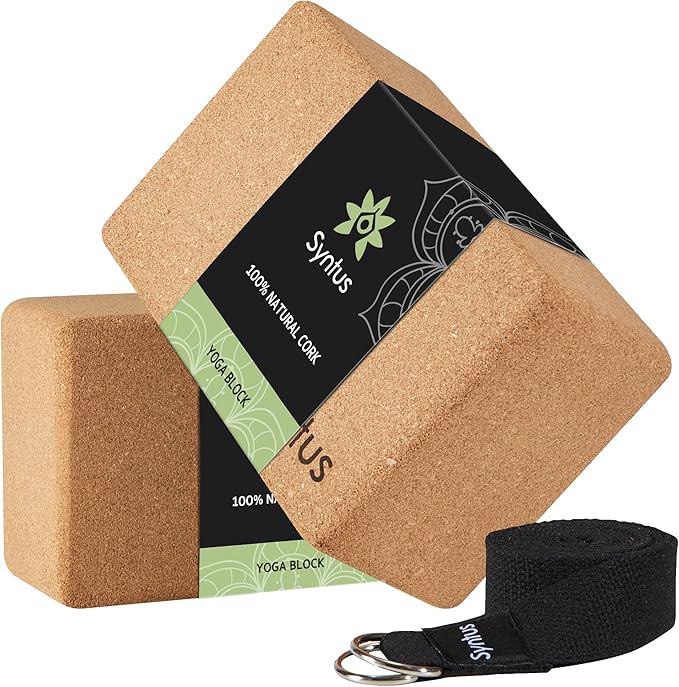
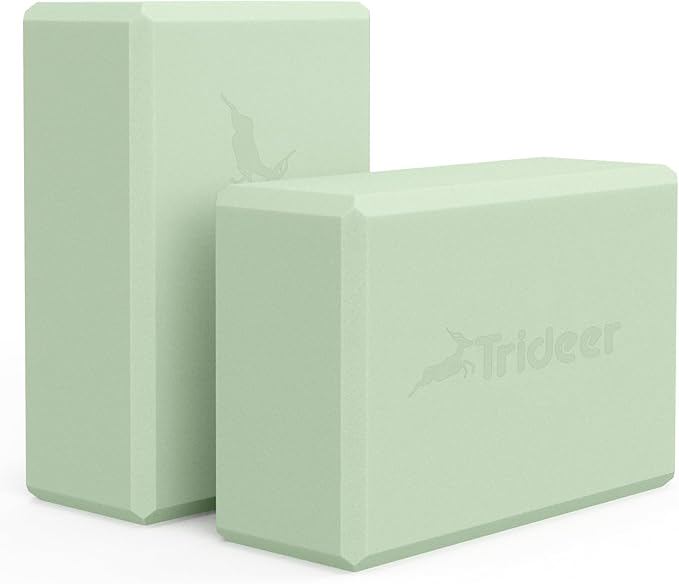
Sustainability comes from listening and adapting. Some days you’ll feel stiffer. Honor that by using more props—a strap for reaches, a block under your hand, extra cushioning under your knees. Props are not signs of weakness; they are tools for intelligent practice.
Pair your movement with breath awareness. A tense breath means a tense body. If you find yourself holding your breath, you’ve pushed too far. Let your exhales be a release valve for tension.
Finally, track progress in subtle ways. Notice if you can reach a bit farther on the fifth breath than the first. Appreciate the feeling of ease getting out of a chair after a week of practice. These small wins are the true markers of increased flexibility.
Common pitfalls to avoid as a beginner
Enthusiasm can sometimes lead to habits that hinder progress or cause injury. Being aware of these common mistakes can keep your practice safe and effective.
Comparing your body to others
Flexibility is influenced by genetics, age, past injuries, and daily activities. Your journey is unique. The person on the mat next to you (or in the video) has a different starting point. Focus on your own sensations and incremental gains.
Bouncing in stretches
Ballistic stretching, or bouncing, triggers the stretch reflex, causing muscles to contract protectively. This can lead to micro-tears. Always move slowly and statically into a pose, using your breath to deepen the hold gradually.
Neglecting opposing muscle groups
If you stretch your hamstrings, also consider strengthening them and stretching their opposing group, the quadriceps. This creates balanced, functional flexibility and supports joint health. Incorporate gentle strengthening poses like Bridge pose.
When should I practice?
There’s no perfect time, but there are considerations. Many people find their bodies are naturally stiffer in the early morning. An a.m. practice should be gentler and include a longer warm-up. Evening practices can often go deeper as the body is warmed from the day’s movement.
Ultimately, the best time is the time you can consistently commit to. Linking your short practice to an existing habit—like after your morning coffee or before your evening shower—can help cement the routine.
Building flexibility is a conversation with your body, not a demand. By showing up daily with patience and curiosity, you create the conditions for safe, lasting change. The flexibility you seek isn’t just in your muscles; it’s in your approach—a willingness to adapt, listen, and grow gently, day by day.