You buy a beautiful bunch of kale, some bright bell peppers, perhaps a bag of baby spinach or a head of broccoli—all packed with the antioxidants your body needs. A few days later, you open the crisper drawer and find wilted greens, soft spots, or that faint off-smell that tells you the nutrients have already started to fade. If this sounds familiar, you may be making one of the most common storage blunders that rob vegetables of their antioxidant power.
Antioxidants like vitamin C, polyphenols, and beta-carotene are fragile compounds. They respond to light, heat, oxygen, and even the other produce sitting next to them. The way you store them can either protect those nutrients or speed up their breakdown. Here's what often goes wrong—and how to fix it.
The Biggest Mistake: Treating All Vegetables the Same Way
A common instinct is to wash, chop, and seal everything in an airtight container before tossing it into the fridge. While that works perfectly for some vegetables, it can backfire for others. Moisture is a double-edged sword: it keeps some produce crisp, but it can promote spoilage and nutrient loss in others. For vegetables high in water-soluble antioxidants like vitamin C, excess moisture accelerates leaching. The key is knowing which storage conditions match the vegetable.
How Air, Light, and Temperature Affect Antioxidants
Antioxidants are, by nature, chemically active. They neutralize free radicals, but they also react to environmental stressors. Vitamin C, for example, is highly sensitive to oxygen and heat. Studies have shown that spinach stored at room temperature can lose up to 50% of its vitamin C within two days. Broccoli, a powerhouse of sulforaphane precursors, retains more antioxidants when kept cold and humid but not wet. Even the light from your refrigerator bulb can degrade light-sensitive compounds like carotenoids over time.
A quick rule of thumb: dark, cold, and slightly humid—but not soaking—is the sweet spot for most antioxidant-rich produce.
The 'Ethylene Gas' Problem You Might Be Overlooking
Not all vegetables should be neighbors. Some fruits and vegetables emit ethylene gas as they ripen—apples, avocados, tomatoes, and melons, for instance. Ethylene accelerates ripening and can trigger spoilage in ethylene-sensitive vegetables like broccoli, kale, spinach, and bell peppers. Storing a bunch of spinach next to a ripe apple is practically asking those antioxidants to break down faster. The fix is simple: keep high-ethylene producers in a separate drawer or away from your leafy greens and cruciferous vegetables.
Cutting Before Storing? That's Another Common Trap
Prepping vegetables ahead of time feels efficient, but cutting exposes inner plant cells to oxygen. This triggers enzymatic browning and oxidation—the same process that turns an apple slice brown—which directly destroys antioxidants such as vitamin C and polyphenols. If you must prep ahead, store cut pieces in an airtight container lined with a dry paper towel to absorb excess moisture, and use them within a day or two rather than a week.
A Better Approach: Storage Strategies That Preserve Nutrients
Rather than memorizing a long list, you can follow a few evidence-backed principles:
- Leafy greens: Wrap them loosely in a paper towel inside a container with airflow—this balances moisture and prevents rot.
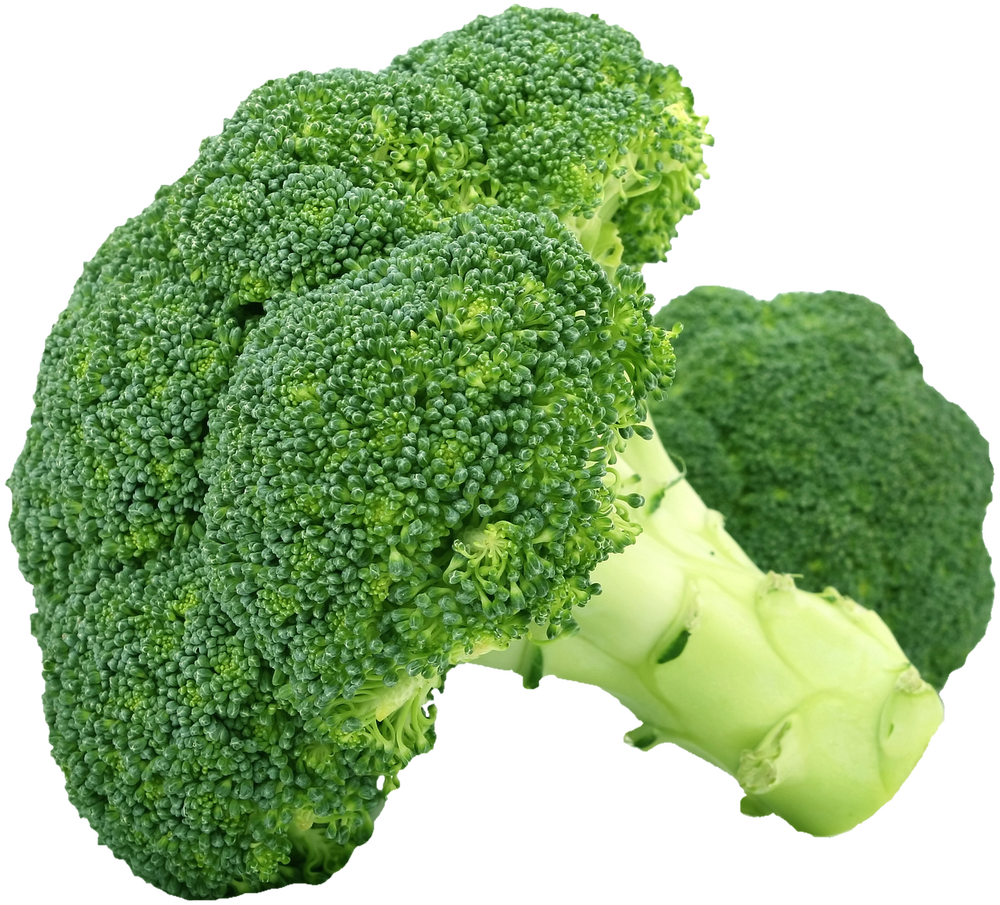
- Cruciferous vegetables (broccoli, cauliflower, Brussels sprouts): Store unwashed in a perforated bag in the crisper. Wash just before eating.
- Bell peppers: Keep them dry in the fridge in a breathable bag. They lose vitamin C quickly at room temperature.
- Root vegetables (carrots, beets): Remove any leafy tops before storing—the leaves pull moisture from the root. Keep in a sealed container with damp paper towels.
- Herbs (parsley, cilantro): Treat them like a bouquet—trim the stems and place them in a glass of water with a loose plastic bag over the top. Store in the fridge, not on the counter.
Should You Always Refrigerate?
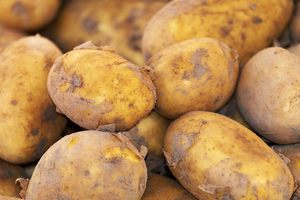
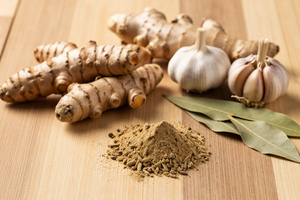
Not every antioxidant-rich vegetable belongs in the cold. Tomatoes, for example, lose flavor and some lycopene content when refrigerated. Potatoes and garlic are best in a cool, dark pantry—not the fridge. Onions also prefer dry, ventilated storage at room temperature. The rule of thumb: if you want to preserve both taste and nutrient density, store each vegetable according to its natural environment.
Quick Checklist to Preserve Antioxidants
These small adjustments can make a real difference in how long your vegetables stay vibrant and nutrient-packed:
- Keep ethylene-sensitive greens away from apples, bananas, and tomatoes
- Store washed and dried greens with a paper towel to manage moisture
- Cut vegetables only when you're ready to eat or cook them
- Use the crisper drawer's humidity control—high for leafy greens, low for apples and pears
- Check your fridge temperature—keep it between 35–38°F (1–3°C) for optimal freshness
Making one or two adjustments to your storage habits can help you get more of the antioxidant benefits you're paying for. Next time you unpack groceries, take an extra moment to sort produce by its storage needs. Your body—and your taste buds—will notice the difference.