The phrase “empty calorie” gets thrown around a lot in wellness circles. It usually refers to foods that deliver energy but little else—think sugary sodas, white bread, or many packaged snacks. But the real story is more nuanced. As a dietitian, I often see people cutting out perfectly nourishing foods because they worry about calories without considering the full nutrient picture. Let’s unpack what nutrient density really means and whether labeling foods as simply “bad” helps or hurts your health.
What does “empty calorie” actually mean?
At its core, an empty-calorie food is one that provides energy (calories) but is low in vitamins, minerals, fiber, protein, or healthy fats. Think of a can of soda: you get sugar and water, but no meaningful nutrition. However, many foods fall on a spectrum. A slice of white bread, for example, has fewer vitamins than whole grain, but it still contains some B vitamins and iron if enriched. The term “empty” can be misleading because it suggests all-or-nothing, when most foods contribute something—even if small—to your overall intake.
Why nutrient density matters more than a single label
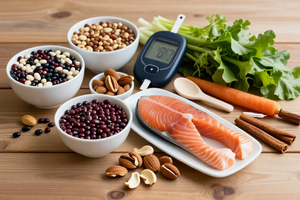
Nutrient density is a measure of how many beneficial nutrients a food provides relative to its calorie content. Dark leafy greens, berries, eggs, and legumes score extremely high. A food like dark chocolate or full-fat yogurt scores lower, yet it still offers antioxidants, magnesium, or probiotics. The problem with the “empty calorie” label is that it can make people avoid foods that have a role in a balanced diet. For instance, a small serving of honey has calories from sugar, but it also contains trace enzymes and antioxidants—hardly empty.
Can “empty calorie” foods ever fit into a healthy diet?
Absolutely. Nutrition isn’t a purity contest. Even foods low in nutrient density—like a cookie or a serving of fries—can be part of a healthy eating pattern if they’re consumed in moderation and alongside more nutrient-rich choices. What matters is the overall pattern of your diet, not a single food. A treat shared with friends can support emotional well-being, which is also a component of health. Rigidly cutting out entire categories often leads to cravings and, eventually, overindulgence.
Common myths about nutrient density
Let’s clear up a few persistent myths:
- Myth: All whole foods are nutrient-dense. Some whole foods, like coconut oil or white potatoes, are calorie-dense with fewer vitamins per calorie. That doesn’t make them “bad”—just different.
- Myth: Processed foods are always empty. Canned beans, frozen vegetables, and whole-grain pasta are processed but still packed with fiber, protein, and minerals. Processing isn't the enemy; the ingredient list is what matters.
- Myth: You can never have “empty” foods. Having a piece of cake on your birthday isn't going to derail your health. The problem arises when these foods make up the majority of your daily intake.
What dietitians really want you to know
Think of your diet as a budget. Nutrient-dense foods are like high-value investments. Empty-calorie foods are small, occasional treats. You don’t need to eliminate treats to be healthy—you just need to balance them.
If you’re worried about nutrient gaps, focus on what you can add rather than what you need to remove. Add a handful of spinach to your pasta sauce, toss lentils into your soup, or enjoy fruit with your oatmeal. These small shifts boost nutrient density without making you feel deprived.
The bottom line
Labeling foods as “always bad” because they contain empty calories is an oversimplification. Real-world eating is about variety, moderation, and context. A dietitian’s advice: stop stressing over single foods and look at your overall plate. Prioritize nutrient-dense staples like legumes, vegetables, whole grains, and lean proteins. Let yourself enjoy the occasional less-dense food without guilt. That’s a sustainable, healthy approach.