You’ve likely heard the term ‘leaky gut’ in wellness circles, often surrounded by a mix of compelling personal stories and scientific debate. It can feel confusing—is it a legitimate health concern or just a passing trend? At its core, the concept of leaky gut, or increased intestinal permeability, describes a real physiological process where the lining of the small intestine becomes more porous than it should be. This practical guide walks through what that actually means for your body, how to recognize the signs, and what science-backed steps you can consider to support your gut health.
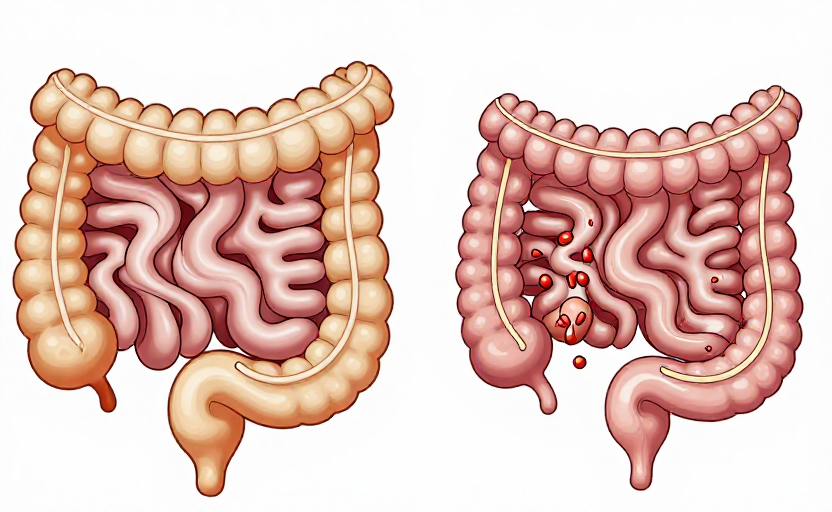
Think of your intestinal lining as a sophisticated, selective barrier. It’s designed to absorb vital nutrients and water while keeping out undigested food particles, bacteria, and toxins. When this barrier becomes compromised, it can allow those unwanted substances to ‘leak’ into the bloodstream. Your immune system, always on patrol, sees these foreign particles and mounts a response, which can lead to widespread inflammation and a cascade of symptoms that seem unrelated to your digestive tract.
What does leaky gut feel like?
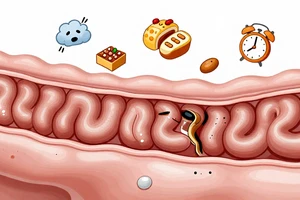
Because the resulting inflammation can affect nearly any system in the body, symptoms are often diverse and non-specific. You might not experience all of these, but a common pattern includes persistent digestive discomfort alongside other systemic issues.
Digestive signs are often the first clue. This includes bloating, gas, cramps, and food sensitivities—where you react to foods that never used to bother you. Some people experience alternating diarrhea and constipation, a hallmark of irritable bowel syndrome (IBS), which research suggests is frequently linked with increased intestinal permeability.
Beyond the gut, the inflammatory response can manifest in surprising ways. Chronic fatigue, ‘brain fog’ or difficulty concentrating, joint aches, skin conditions like eczema or acne, and even new-onset headaches or migraines are commonly reported. The connection isn’t always obvious, which is why gut health has become a focal point in understanding chronic, low-grade inflammation.
If your body feels like it’s in a constant state of low-grade alarm, with symptoms popping up in different areas, it may be worth considering the health of your gut barrier.
What causes the gut lining to become more permeable?
Intestinal permeability isn’t caused by one single thing. It’s typically the result of several factors that, over time, wear down the integrity of the tight junctions between the cells of your gut lining.
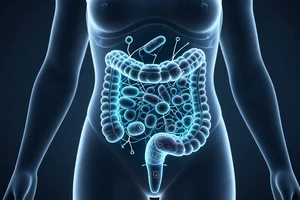
A dominant factor is the standard Western diet, high in processed foods, refined sugars, and unhealthy fats, while being low in fiber. This dietary pattern can alter the balance of your gut microbiome—the trillions of bacteria living in your intestines. An overgrowth of harmful bacteria and a decline in beneficial ones can directly damage the gut lining and trigger inflammation.
Chronic stress is another significant contributor. When you’re stressed, your body releases cortisol, which can weaken the gut barrier over the long term. Other common culprits include excessive alcohol consumption, frequent use of non-steroidal anti-inflammatory drugs (NSAIDs) like ibuprofen, and certain infections. For some, underlying conditions like celiac disease or Crohn’s disease are the primary drivers.
How is leaky gut syndrome approached?
It’s important to note that ‘leaky gut syndrome’ is not a formal medical diagnosis in the same way Crohn’s disease or celiac disease is. Rather, increased intestinal permeability is understood as a physiological state that is often a component of other diagnosed conditions. Therefore, a practical approach focuses on identifying root causes, reducing inflammation, and supporting the gut’s natural healing processes.
The first and most crucial step is consulting with a healthcare provider. They can help rule out other diagnosable conditions that share similar symptoms, such as celiac disease, IBD, or SIBO (small intestinal bacterial overgrowth). This ensures you’re addressing the right problem.
Dietary and lifestyle foundations
The cornerstone of supporting gut barrier health is what you eat. The goal is to remove irritants and incorporate nourishing, anti-inflammatory foods.
- Consider an elimination diet: Under guidance, temporarily removing common irritants like gluten, dairy, refined sugars, and alcohol can help calm inflammation and identify personal triggers.
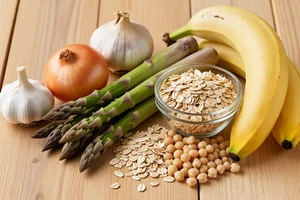
- Emphasize whole, fiber-rich foods: Vegetables, fruits, legumes, and whole grains feed your beneficial gut bacteria, which produce short-chain fatty acids that help heal the gut lining.
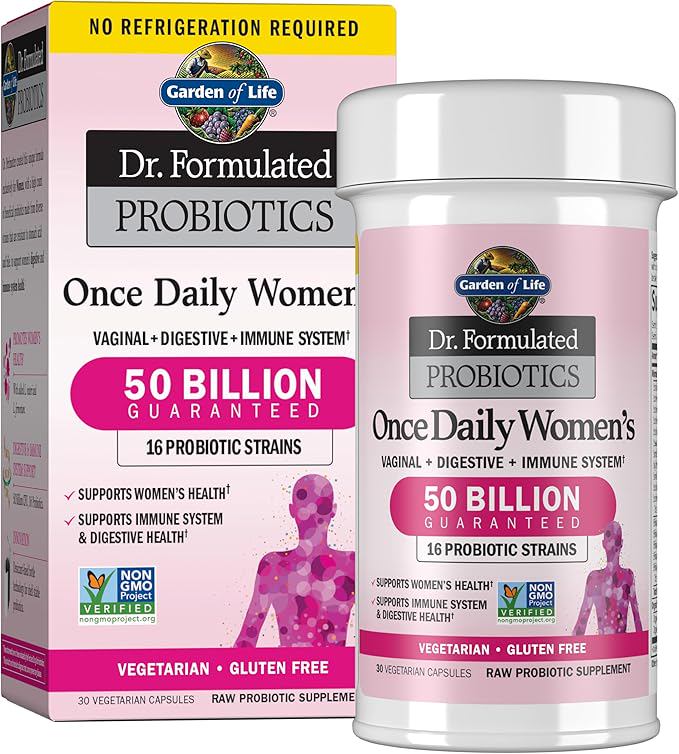
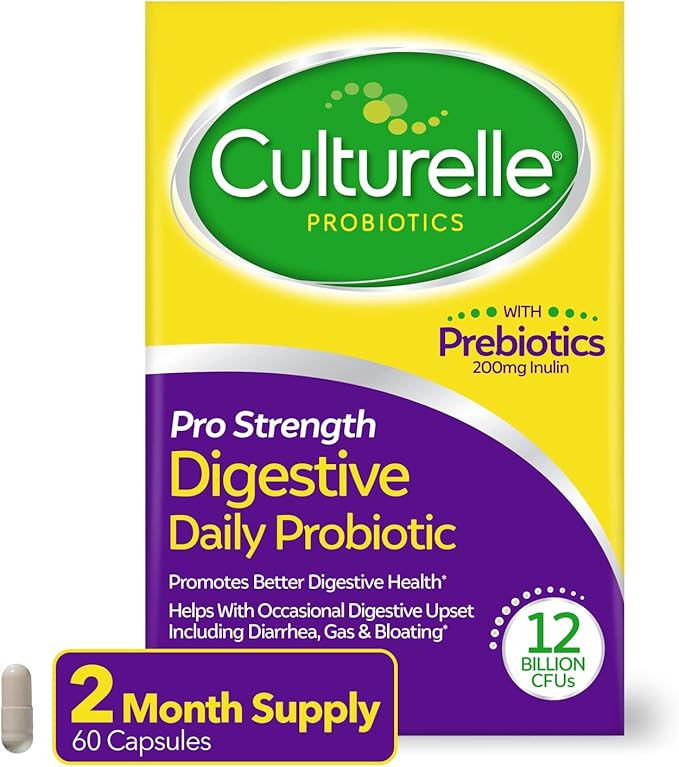
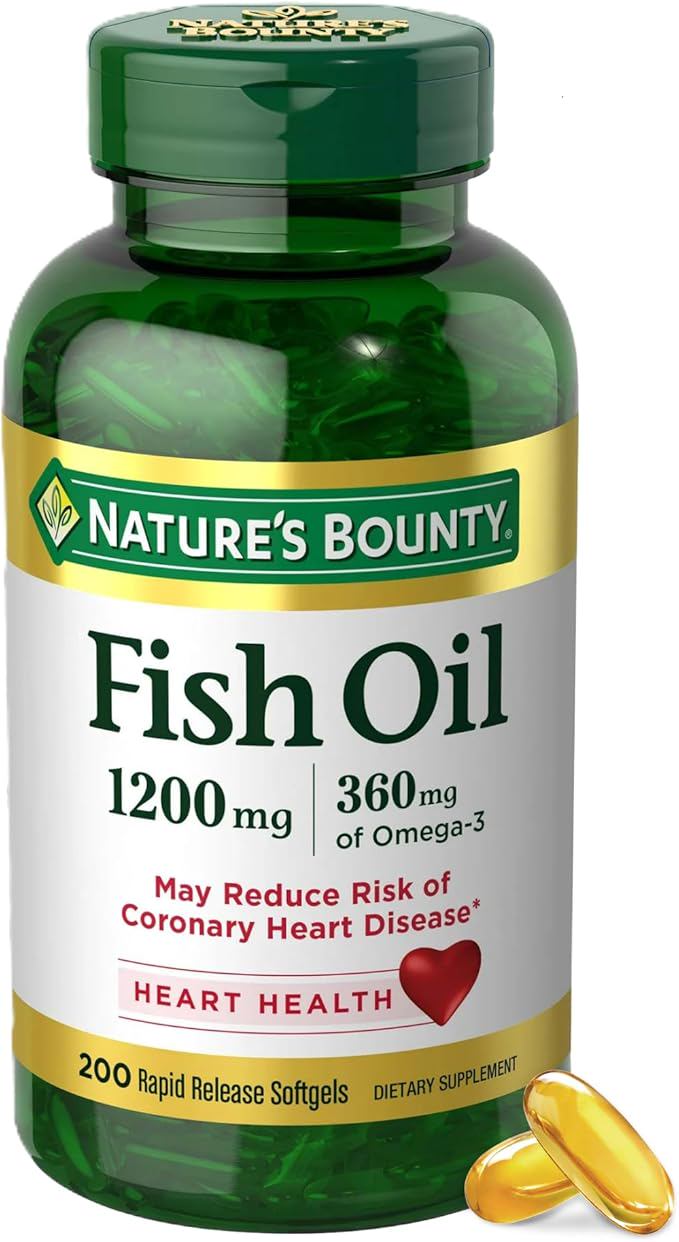
- Include gut-soothing nutrients: Bone broth (for its collagen and amino acids like glutamine), fermented foods (like sauerkraut and kimchi for probiotics), and omega-3 rich foods (like salmon and flaxseeds) are often highlighted for their supportive roles.
Supporting your body’s systems
Diet doesn’t work in isolation. Managing stress through techniques like meditation, deep breathing, or gentle yoga is non-negotiable for gut healing. Prioritizing sleep is equally critical, as this is when much of the body’s repair, including in the gut, occurs. Regular, moderate exercise can also reduce systemic inflammation and support a healthy microbiome.
A sensible path forward
Navigating leaky gut is less about finding a quick fix and more about committing to a sustained, holistic approach to wellness. Progress can be slow and non-linear, which requires patience. Listen to your body’s signals—it will often tell you what it needs.
Remember, the gut is remarkably resilient. By removing aggravating factors, providing the right building blocks through food, and supporting your body’s innate capacity to heal with rest and stress management, you create the ideal conditions for your gut lining to restore its natural integrity. This journey isn’t just about quelling digestive symptoms; it’s about fostering a foundation of health that resonates throughout your entire body.