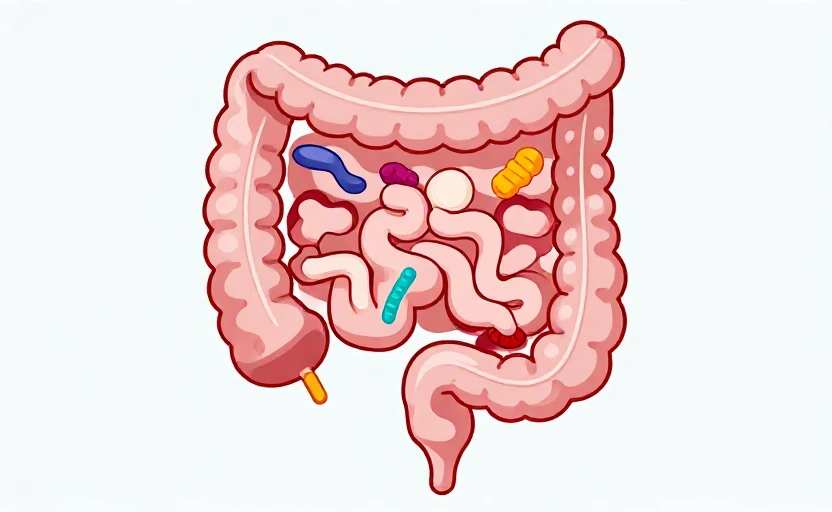
You have a bustling, microscopic world living inside you. It’s not science fiction—it’s your gut microbiome, a complex community of trillions of bacteria, fungi, and other microbes that call your digestive tract home. Far from being passive passengers, these organisms are active partners in your health, influencing everything from digestion and immunity to mood and metabolism. Understanding this inner ecosystem isn't about chasing a quick fix; it's about learning how to cultivate a balanced, resilient environment that supports your well-being for the long term.
This guide walks you through the essentials of gut bacteria in plain language. We’ll explore what these microbes do, why their balance is so crucial, and how everyday choices can nurture a healthier gut community. Think of it less as a strict rulebook and more as a map to a more harmonious relationship with your inner world.
What Exactly Is Gut Bacteria?
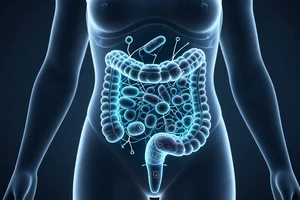
When we talk about "gut bacteria," we're referring to the vast collection of microorganisms, primarily bacteria, that reside in your large intestine. This isn't a random assortment; it's a diverse, organized ecosystem, often compared to a rainforest for its complexity. Each person's microbiome is unique, shaped from birth by genetics, delivery method, diet, environment, and lifestyle.
These microbes aren't just sitting there. They're working. They help break down dietary fibers and other compounds our own bodies can't digest, producing essential nutrients like short-chain fatty acids that nourish our gut lining. They play a starring role in training and regulating our immune system, helping it distinguish between friend and foe. They even produce neurotransmitters and communicate with our brain via the gut-brain axis, influencing stress responses and mood.
A balanced gut microbiome is characterized by a high diversity of species and a stable community structure, which is linked to better health outcomes.
Why Microbial Balance Is Everything
Balance—or homeostasis—is the key concept. A healthy gut isn't sterile, nor is it dominated by one type of bacteria. It's a thriving, diverse community where different species coexist and keep each other in check. This diversity creates resilience, allowing the system to bounce back from disturbances like a course of antibiotics or a period of poor diet.
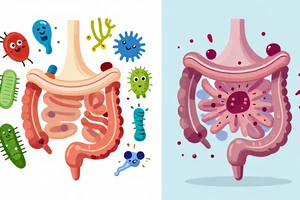
When this balance is disrupted, a state called dysbiosis can occur. This might mean a loss of beneficial species, an overgrowth of potentially harmful ones, or a general loss of diversity. Think of it like a garden where the weeds start to outcompete the flowers. Dysbiosis is associated with a host of issues, though it's important to note these are correlations, not always direct causes:
- Digestive discomfort: bloating, gas, irregularity.
- Compromised gut barrier function (sometimes called "leaky gut").
- Systemic inflammation.
- Increased susceptibility to infections.
- Links to conditions like irritable bowel syndrome (IBS), certain allergies, and metabolic concerns.
The goal, then, isn't to eliminate bacteria but to foster an environment where the beneficial ones can flourish and the less helpful ones are kept in balance.
How Your Lifestyle Shapes Your Gut Garden
You influence your microbiome every day, mostly through what you eat. Diet is the most powerful lever you have. A diet consistently high in ultra-processed foods, added sugars, and unhealthy fats can feed microbes that promote inflammation and reduce diversity. Conversely, a varied, whole-foods diet provides the raw materials a diverse microbiome needs to thrive.
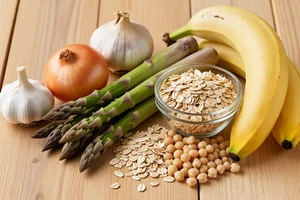
Fiber is fundamental. Soluble and insoluble fibers from plants are the preferred food for your good gut bacteria. They ferment these fibers, producing those beneficial short-chain fatty acids. Most people don't get nearly enough.
Other lifestyle factors play significant supporting roles. Chronic stress can alter gut bacteria composition and gut motility. Both inadequate and excessive exercise can impact the microbiome, though regular, moderate activity is generally supportive. Sleep quality matters, too, as the gut microbiome follows circadian rhythms. Even your environment—like having a pet or spending time in nature—can expose you to microbes that increase the diversity of your inner ecosystem.
Practical Steps to Support a Balanced Gut
You don't need exotic supplements or drastic protocols to make a positive difference. Sustainable shifts are more effective. Focus on adding in nourishing foods and habits rather than just restricting others.
Prioritize Plant Diversity
Aim for a wide variety of fruits, vegetables, legumes, whole grains, nuts, and seeds. Different plants feed different bacteria. A simple goal is to "eat the rainbow" across the week. Each color represents different phytonutrients and fiber types that support microbial diversity.
Include Fermented Foods Regularly
Fermented foods like yogurt, kefir, sauerkraut, kimchi, kombucha, and miso contain live cultures. While these may not always permanently colonize your gut, they act like a beneficial transient population, influencing the environment and potentially crowding out less helpful microbes. Introduce them gradually if you're new to them.
Manage Stress and Sleep
Since the gut-brain connection is a two-way street, supporting your nervous system supports your gut. Practices like mindful breathing, walking in nature, or gentle yoga can modulate the stress response. Prioritizing consistent, quality sleep is one of the most profound ways to support overall systemic balance, including your microbiome.
Remember, changes in your gut microbiome happen over weeks and months, not days. Be patient and consistent. If you have specific digestive health conditions, these general principles are a strong foundation, but it's always wise to discuss major dietary changes with a healthcare provider or a registered dietitian who can offer personalized guidance.
Your gut microbiome is a dynamic, living part of you. By making conscious, nourishing choices, you're tending to an inner garden that, in return, tends to your health.