You already know that antioxidants are good for you—they help protect your cells from oxidative stress and support long-term health. But did you know that your body absorbs them better when you pair certain foods together? The right combinations at breakfast, lunch, and dinner can make a real difference in how much you actually get from what you eat.
Pairing foods for maximum antioxidants isn't a complicated wellness hack or a strict regimen. It's a simple, practical way to get more out of your meals without overhauling your kitchen or your budget. Here's how to do it at every meal, with real food you already know.
What does 'antioxidant pairing' actually mean?
Antioxidants are compounds like vitamin C, vitamin E, beta-carotene, lycopene, and flavonoids. Many are fat-soluble (like lycopene and beta-carotene), meaning your gut absorbs them best when you eat them alongside a source of fat. Others, like iron from plants, are better absorbed when combined with vitamin C.
In practical terms, this means drizzling olive oil on your tomato salad, adding avocado to your spinach smoothie, or squeezing lemon over your lentil soup. The synergy between nutrients is real—and it's backed by research.
Breakfast: Start with a smart pairing
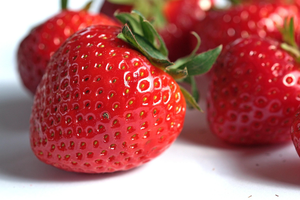
Mornings set the tone. A bowl of oatmeal with berries is antioxidant-rich, but you can boost absorption by adding a few walnuts or a splash of full-fat yogurt or milk. The fat helps your body absorb the anthocyanins in berries (the pigments that give them their deep color).
Another easy win: scrambled eggs with sautéed spinach. Vitamin E in the egg yolk pairs with the lutein and zeaxanthin in spinach to support eye health. You're not just eating a meal—you're helping your body actually use the nutrients.
Quick tip: Add a squeeze of orange or lemon juice to your morning smoothie—the vitamin C helps your body absorb iron from greens like kale or spinach.
Lunch: Build a better salad
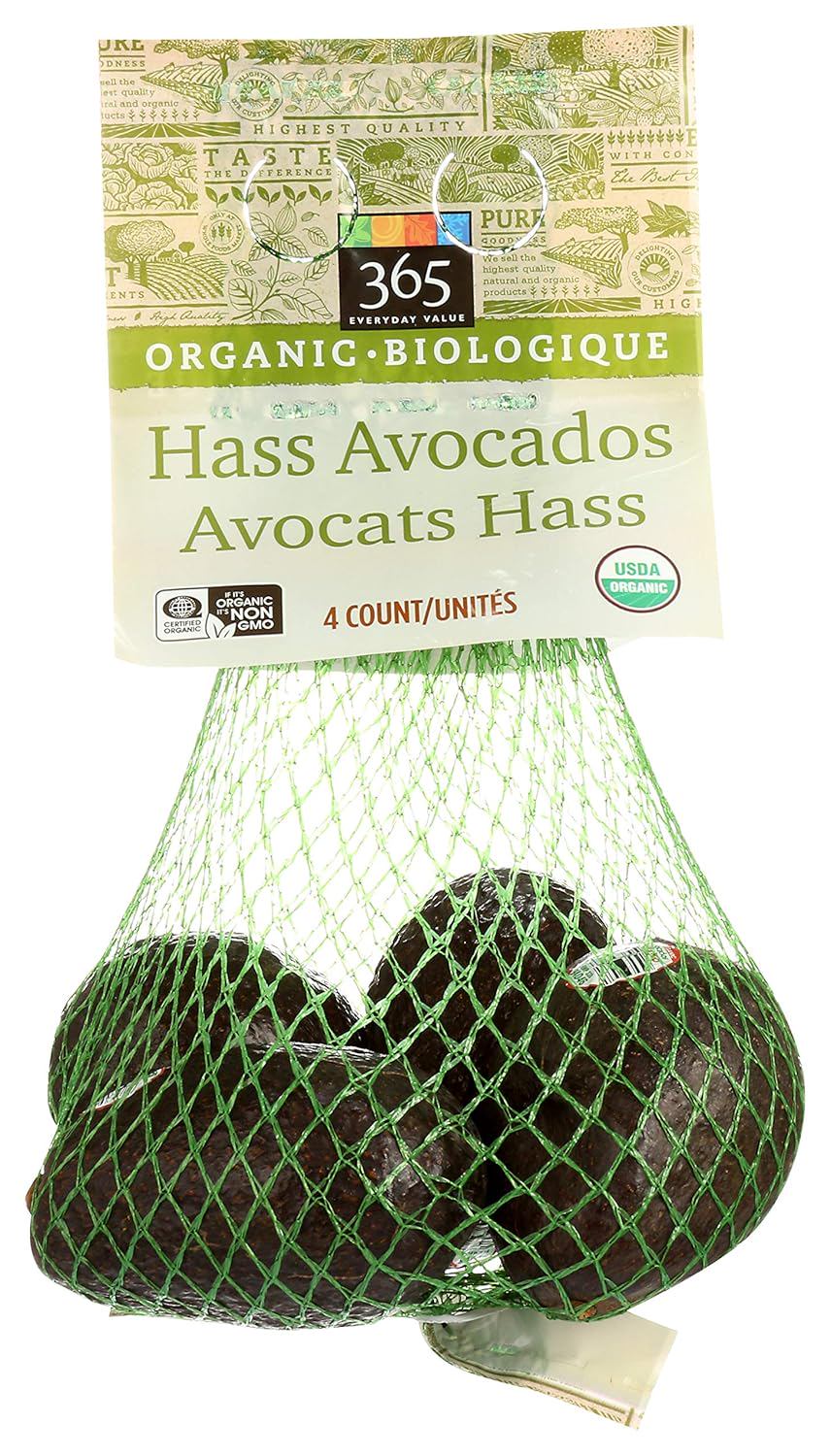
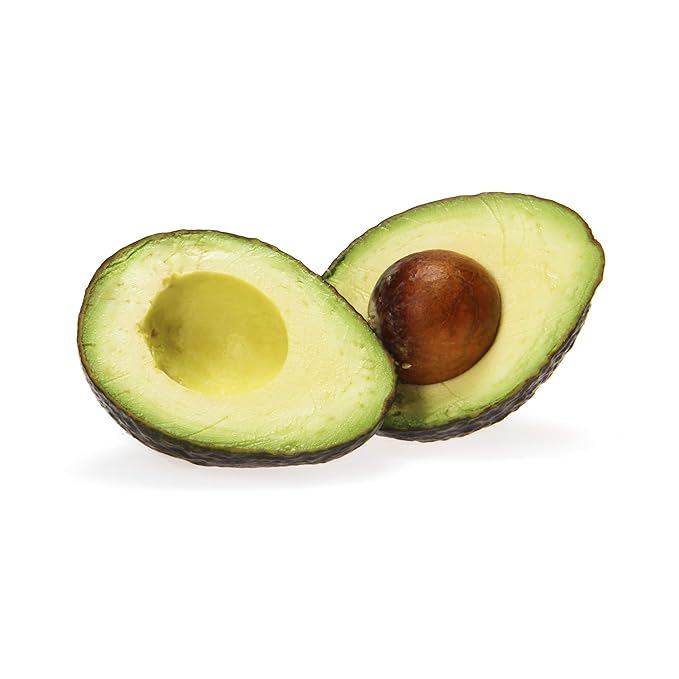
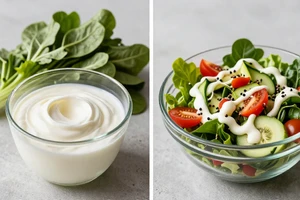
Salads are a perfect place to apply the pairing principle. Dark leafy greens (rich in beta-carotene and lutein) pair naturally with a fat-based dressing—think olive oil, avocado, or even a few slivers of cheese. Without fat, most of those carotenoids pass through your system unabsorbed.
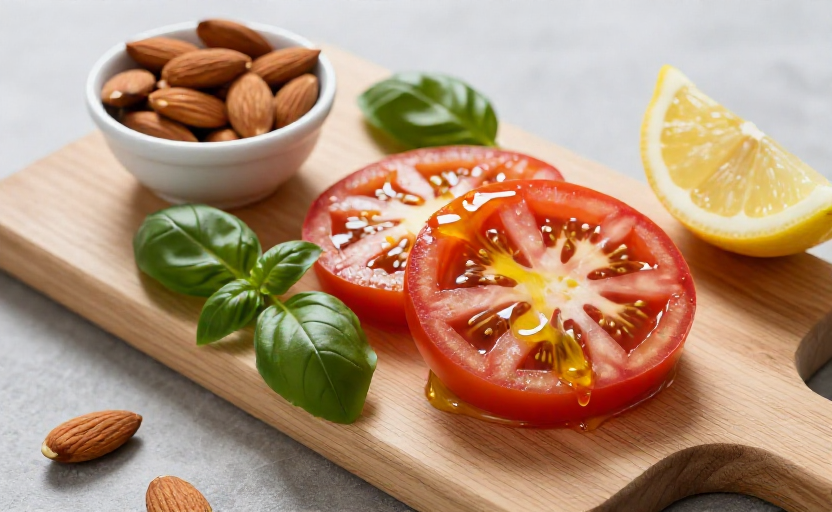
Tomatoes are packed with lycopene, a potent antioxidant linked to heart health. But lycopene is fat-soluble, so enjoy your tomatoes with a drizzle of extra-virgin olive oil. Cooking them slightly (like in a warm roasted tomato salad) also makes the lycopene more bioavailable.
If you add beans, lentils, or chickpeas to your salad, pair them with bell peppers or a citrus vinaigrette—the vitamin C boosts non-heme iron absorption, which is especially helpful if you're plant-based.
Dinner: Easy combos for weeknights
Dinner is where you can get creative without extra effort. Stir-fry broccoli with a little coconut oil or avocado oil—the fat helps unlock beta-carotene and vitamin K. Add a squeeze of lime at the end for a vitamin C boost that also brightens the flavor.
Roasted carrots and sweet potatoes are rich in carotenoids; roast them with olive oil and a pinch of black pepper. Surprisingly, black pepper contains piperine, which increases the absorption of beta-carotene and curcumin (if you're using turmeric, too).
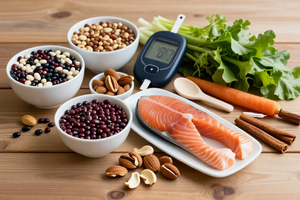
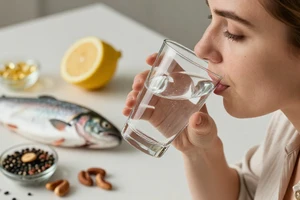
Fish like salmon provides vitamin D and omega-3s, and pairing it with a side of sautéed kale or collard greens helps your body absorb these fat-soluble nutrients more efficiently.
Snacks and drinks count, too
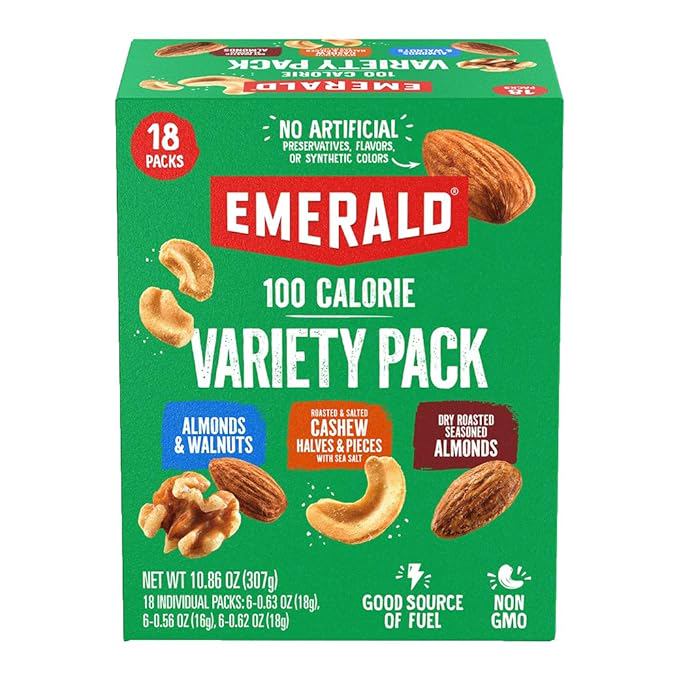
Think beyond meals. An apple with a handful of almonds? The fat from the almonds helps your body use the quercetin in the apple skin. Green tea with a squeeze of lemon and a small piece of dark chocolate? The lemon stabilizes the catechins in tea, and the cocoa flavanols get a boost from the fat in chocolate.
Even a simple snack of carrot sticks dipped in hummus (which contains tahini, a fat source) is a solid antioxidant pair.
None of this requires measuring or memorizing. It's really about building a habit: if you're eating a colorful plant food, ask yourself if it has a fat or vitamin C partner. If not, add one in a small, tasty way. Over the course of a day, these small combinations add up to a meaningful difference in how many antioxidants your body actually absorbs.