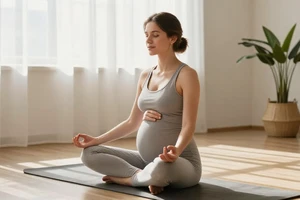
Prenatal yoga offers a gentle path to strength, flexibility, and calm during a time of profound change. While the practice is widely recommended, the most important aspect isn't mastering a pose—it's learning to listen to your body's unique signals. This guide focuses on the art of self-monitoring, helping you cultivate an internal awareness that keeps both you and your baby safe and supported on the mat.
Think of it less as a set of rigid rules and more as developing a mindful dialogue with your changing form. It’s about recognizing the difference between a healthy stretch and a strain, understanding the whispers of fatigue before they become shouts, and honoring the need for rest as much as movement.
Establishing Your Baseline: The Pre-Practice Check-In
Before you unroll your mat, take a quiet moment. This isn't about judgment, but about observation. How do you feel today? Energy levels, mood, and physical sensations can shift daily during pregnancy. A quick internal scan sets your intention and helps you tailor your practice to your present needs, not yesterday's capabilities.
Your breath is your most honest guide. If it becomes short, strained, or you find yourself holding it, it’s a clear signal to ease up.
Note any specific aches, like lower back tension or pelvic pressure. This awareness allows you to avoid movements that might aggravate them and instead choose gentle modifications. Also, consider practicalities: are you hydrated? Have you eaten a light snack recently? Starting from a place of basic care makes your practice more sustainable.
Key Physical Signals to Monitor During Practice
As you move, pay close attention to the language of your body. Discomfort is different from pain. A mild stretching sensation in your muscles is typical; sharp, shooting, or localized pain is not. If you feel any pain, particularly in your abdomen, pelvis, or lower back, stop the movement gently.
Be mindful of dizziness or lightheadedness, which can occur due to blood pressure changes. If you feel unsteady, come to a comfortable seated position or onto your hands and knees until it passes. Avoid rapid transitions from lying down to standing up.
Understanding the Role of Your Core and Pelvis
Your abdominal muscles and pelvic floor are undergoing significant changes. Focus on engaging them with a sense of gentle support rather than forceful tightening. Be cautious with deep twists or poses that involve lying flat on your back after the first trimester; these can compress major blood vessels. Opt for side-lying positions or propped-up reclines instead.
Listen for sensations in your pelvic joints. A feeling of instability or “grinding” in the pubic bone or hips (symphysis pubis dysfunction) means you should avoid wide-legged stances and focus on stability.
Tracking Energy and Emotional Shifts
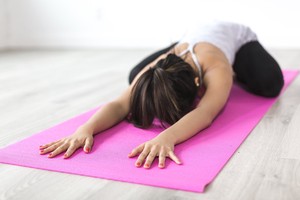
Well-being isn't solely physical. Notice your energy reservoir. Prenatal yoga should replenish you, not deplete you. If you finish a session feeling more drained than centered, it’s a sign to shorten your practice or incorporate more restorative poses like supported child’s pose or legs-up-the-wall.
Your emotional state is a valid metric, too. The practice can sometimes release stored emotions. It’s okay to feel unexpectedly tearful or quiet. Create space for that without forcing a “positive” mindset. Conversely, if anxiety spikes during a particular pose or breathing exercise, note it and choose an alternative that feels grounding.
Practical Tools for Ongoing Awareness
Keeping a simple journal can be illuminating. After each session, jot down a few notes: the duration, how you felt beforehand, any poses that felt particularly good or challenging, and your overall mood afterward. Over weeks, patterns emerge, showing you what truly supports your well-being.
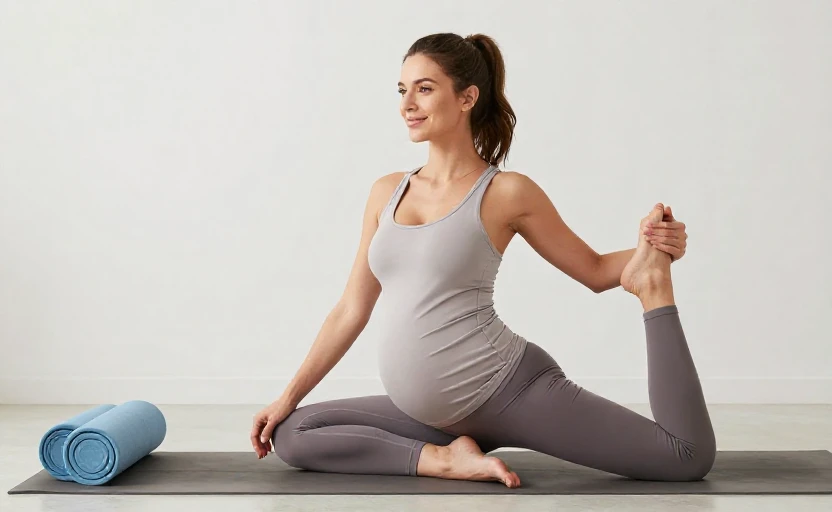
Use props—bolsters, blocks, and blankets—not as a concession, but as intelligent tools for monitoring comfort. They allow you to hold poses without strain, so you can focus on alignment and breath rather than muscle fatigue.
- Check in with your healthcare provider. Discuss your yoga practice at prenatal appointments, especially if you have any concerns like placenta previa, a history of preterm labor, or severe swelling.
- Choose the right class. A qualified prenatal yoga instructor is trained to offer modifications and spot potential issues. If practicing at home, use reputable prenatal-specific videos.
- Hydrate and nourish. Keep water nearby and sip throughout. Have a small, balanced snack about 30-60 minutes before you begin.
- Prioritize rest. Savasana (final relaxation) is non-negotiable. Use this time to integrate the benefits of your practice and connect with your body and baby in stillness.
When to Pause or Modify Your Practice
Certain signs warrant stopping your practice and consulting your doctor or midwife. These include vaginal bleeding or fluid leakage, persistent headaches, chest pain, unusual shortness of breath, or regular, painful contractions. Severe swelling in your hands, face, or feet also requires medical evaluation.
Remember, modifying or skipping a practice is a sign of wisdom, not weakness. Some days, well-being might look like five minutes of gentle cat-cow stretches and deep breathing. Other days, it might be a full, fluid session. Trust that you are the expert on your own experience.