
If the thought of a backbend makes you wince, you’re not alone. Many of us carry tension, old injuries, or a general sense of vulnerability in our backs. The good news is that a sensitive back doesn’t have to mean avoiding backbends altogether. With a thoughtful, progressive approach, these movements can become a source of strength and relief, not fear.
The key lies in shifting your focus from achieving a dramatic shape to cultivating intelligent movement. It’s about listening to your body’s signals and building the supportive foundation your spine needs. Think of it less as contortion and more as a conversation with your own anatomy.
Understanding Your Back’s Sensitivity
Before we move, it helps to understand why your back might feel sensitive. Often, it’s not about a single “bad” part, but a story of compensation. Tight hip flexors from sitting can pull on the lumbar spine. Weak glutes or core muscles can leave your back doing all the work. Past strains or general stiffness can make the spine feel guarded.
A backbend, when done well, is a full-body movement that requires mobility from your shoulders, thoracic spine (your mid-back), and hips, plus stability from your core, glutes, and legs. Sensitivity often flares when we try to make one area—usually the lower back—compensate for a lack of movement elsewhere.
The goal is not to force your spine into a bend, but to create space and support along its entire length.
Building Your Foundation: The Pre-Backbend Essentials
Jumping straight into a wheel pose is like building a house without a foundation. For a sensitive back, this preparatory phase is non-negotiable. It prepares your nervous system and tissues for what’s to come.
Start with gentle movements that warm up the entire spine in all directions. Cat-Cow is a classic for a reason—it gently mobilizes each vertebra. Follow this with movements that awaken the supporting cast:
- Open the Front Body: Gentle lunges to stretch hip flexors and gentle heart-opening poses against a wall can begin to release tension in the abdomen and chest.
- Activate the Back Body: Bridges are your best friend. Focus on pressing through your heels to engage your glutes and hamstrings, preventing your lower back from taking over.
- Engage Your Core: Think of your core as a cylinder of support. Practice gentle engagement in poses like Tabletop, drawing your lower abdomen in without holding your breath.
Listening to Your Body’s Language
Distinguishing between a productive stretch and a warning sign is crucial. A mild pulling sensation in a muscle like your hip flexors or chest is normal. Sharp, pinching, or shooting pain, especially in the joints of the spine, is a clear signal to stop and reassess. Dull, achy discomfort in the lower back often means your supporting muscles are disengaged. The mantra here is: sensation, not pain.
A Progressive Pathway to Safer Backbends
This is where we apply the foundation. Forget the full expression of the pose for now. We’ll build intensity slowly, using props and variations to control the range of motion.
Stage 1: Supported Backbends
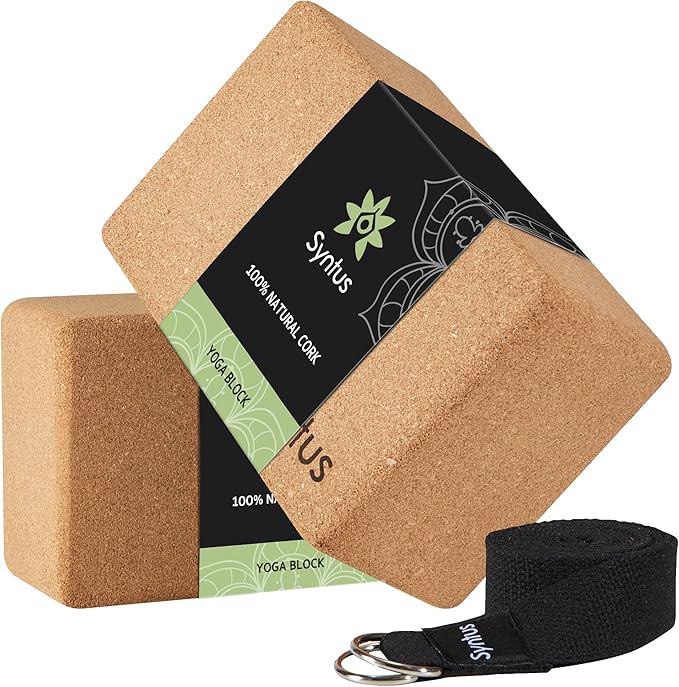
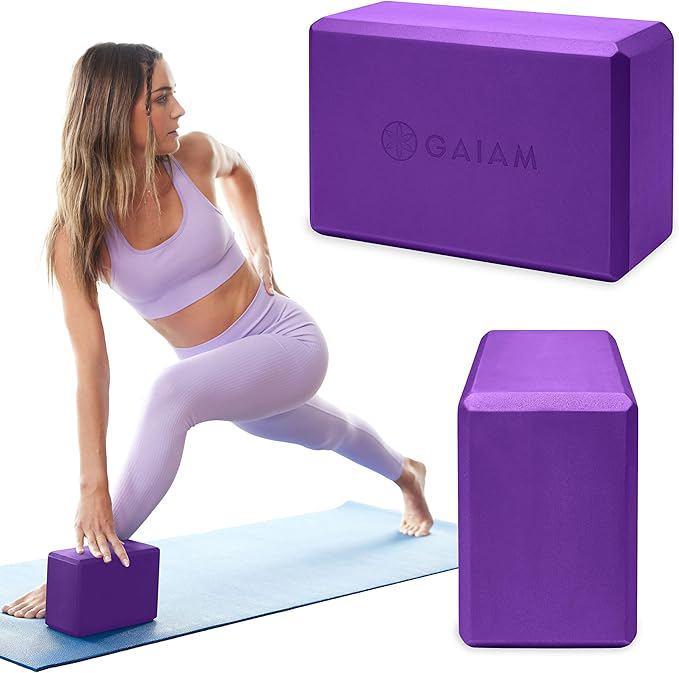
These poses allow your spine to experience a gentle curve with maximum support. Try a Supported Fish Pose with a block or rolled blanket under your shoulder blades. Lie over a yoga bolster or firm pillows. The support holds you, so your muscles can relax into the opening.
Stage 2: Active, Grounded Backbends
Here, you begin to use your own strength. Sphinx Pose is excellent. Keep your pelvis grounded, engage your glutes lightly, and lift your chest forward and up, focusing the bend in your thoracic spine. Low Cobra, with your pubic bone pressed into the floor and ribs drawn in, builds back strength without compression.
Stage 3: Integrating the Full Body
Now we link the spine to the limbs. Bridge Pose is the cornerstone. Press firmly through your feet, squeeze your glutes at the top, and ensure your knees stay hip-width apart. For a more advanced step, practice Camel Pose with your hands on your lower back for support, focusing on lifting your chest upward before leaning back.
Critical Alignment Cues to Protect Your Lower Back
These cues are your safety checklist. Ignoring them is often where sensitivity turns into injury.
- Lengthen Your Tailbone: In any backbend, consciously draw your tailbone downward toward your heels. This counteracts the tendency to crunch the lumbar spine.
- Engage Your Glutes & Legs: Your buttocks and thighs are powerful stabilizers. Activating them takes the load off your spinal muscles.
- Expand Your Ribs Sideways: Avoid flaring your front ribs upward, which arches the lower back. Instead, think of broadening your ribcage laterally, like a bellows opening.
- Move from Your Mid-Back: Initiate the bend by imagining a string lifting your sternum forward and up. The bend should be distributed, not concentrated in one spot.
When to Pause or Seek Guidance
Self-practice is empowering, but know its limits. If you experience persistent pain (not muscle soreness) that lasts hours after practice, numbness or tingling, or any increase in existing nerve symptoms, it’s time to pause. Consulting a physiotherapist or a highly experienced yoga therapist can provide personalized insight. They can assess your specific patterns and offer tailored modifications you might not see in a general class.
Remember, the most advanced practice is one that respects your body’s unique history and needs. A gentle, mindful backbend practiced with integrity does far more for a sensitive back than a deep, forced one. It’s a practice of building trust, layer by layer, breath by breath.