If you’re a runner, you know the feeling: that familiar, deep-set tightness in the hips that seems to cling on no matter how many post-run stretches you do. It’s a common companion for anyone who logs miles, a byproduct of the repetitive, forward-focused motion. While yoga is often recommended as a perfect counterbalance, diving straight into a standard class can sometimes feel more aggravating than helpful. The poses might not account for the specific imbalances running creates.
This isn’t about forcing your body into a picture-perfect pose. It’s about intelligently adapting your practice to meet your hips where they are—to create space, restore balance, and support your running, not compete with it. With a few thoughtful modifications, your yoga mat can become a powerful tool for release.
Why Running Makes Hips So Tight
First, it helps to understand what’s happening. Running is a phenomenal activity, but it’s also a series of similar movements repeated thousands of times. This primarily works the muscles in the sagittal plane—forward and back—like the hip flexors, quadriceps, and hamstrings. Over time, these muscles can become chronically shortened and tense.
Meanwhile, the muscles responsible for lateral movement and stabilization, like the gluteus medius and the deep external rotators, often don’t get the same attention. This can lead to an imbalance: the front of the hip gets tight and overworked, while the muscles around the back and sides may become relatively weak or under-engaged. The result isn’t just stiffness; it can alter your running form and even set the stage for discomfort in the knees, IT band, or lower back.
Yoga for runners isn't about achieving extreme flexibility. It's about restoring the balanced range of motion your stride requires.
A Guiding Principle: Sensation Over Shape
Before we get to specific poses, hold onto this core idea. In a fitness class, the goal might be to achieve the final expression of a pose. Here, the goal is to find a version of the pose that creates a productive sensation in your tight areas—a gentle opening or release—without pain or pinching. If you feel a sharp pain, a pinch in the front of the hip, or strain in your lower back, that’s your signal to back off and modify further.
Your breath is your best guide. Aim for slow, even breaths. If your breath becomes held or ragged, it often means you’ve pushed into a stress response, not a stretch.
Key Modifications for Common Pigeon Pose Variations
Pigeon Pose (Eka Pada Rajakapotasana) and its variations are famous hip openers, but they can be intense for runners with tight external rotators. Here’s how to approach them safely.
Reclined Pigeon (Figure-Four Stretch)
This is a superb starting point. Lie on your back with knees bent, feet flat. Cross your right ankle over your left thigh, creating a “figure four.” If you already feel a deep stretch in your right hip here, stay. To deepen, gently draw your left knee toward your chest. Keep your head and shoulders relaxed on the floor.
Modification for very tight hips: Don’t pull the knee in at all. Simply rest the ankle on the thigh and let gravity do the work. You can place a small pillow under your head for comfort.
Traditional Pigeon Pose
From all fours, bring your right knee forward toward your right wrist, placing your right shin diagonally across the mat. Your left leg extends straight back. The classic pose has the front shin parallel to the front of the mat, but for tight hips, this can cause knee or hip strain.
Key modifications:
- Bring the heel closer to your body. Allow your front shin to angle more diagonally, even bringing the heel toward your left hip. This reduces the external rotation demand on the front hip.
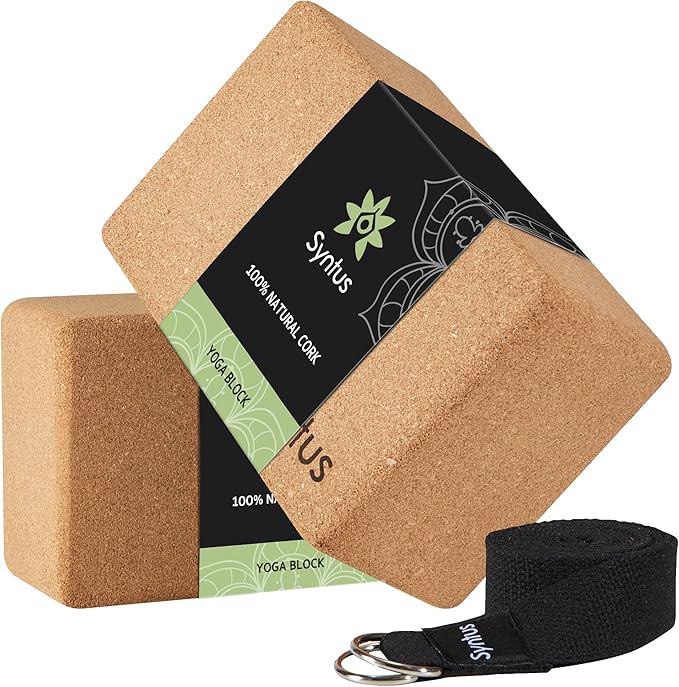
- Prop, prop, prop. Place a firm cushion or folded blanket under your right hip. This prevents the pelvis from sagging and compressing the lower back.
- Stay upright. Rather than folding forward, keep your hands on the floor and your torso lifted. This allows you to focus on the hip sensation without stressing the back.
Adapting Other Essential Hip Openers
Low Lunge (Anjaneyasana)
This pose directly targets the hip flexors of the back leg. From a lunge with your right foot forward, lower your left knee to the floor.
To protect the back knee: Fold a mat or blanket under it. Tuck your left toes under to engage the leg muscles and protect the knee joint.
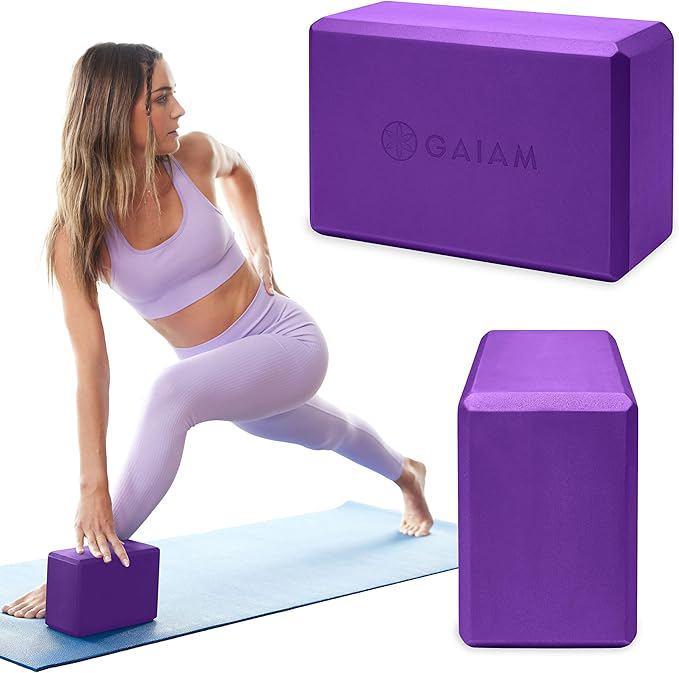
To moderate the stretch: Keep your hands on your front thigh or on blocks. Only lift your arms overhead if you can do so without overarching your lower back. Feel the stretch along the front of the left thigh and hip.
Goddess Pose (Utkata Konasana)
This wide-legged squat builds strength in the abductors and adductors while opening the hips. Stand with feet wide, toes turned out at a comfortable angle.
Modification for depth: There’s no need to sink into a deep squat. Bend your knees only as far as you can while keeping your knees tracking in line with your toes and your spine long. You can place your hands on your thighs for support.
Focus on engagement: As you hold, gently press your knees outward (without actually moving them) to fire up the gluteus medius. This builds the stabilizing strength runners often lack.
Building Stability: Don’t Just Stretch, Strengthen
Releasing tight muscles is only half the equation. To create lasting change and support your running, you need to strengthen the underactive muscles around the hips.
Incorporate poses that target the glutes and deep rotators. Bridge Pose (Setu Bandhasana) is excellent. Lie on your back, knees bent, feet hip-width apart. As you lift your hips, focus on squeezing your glutes at the top. For an added challenge, try a single-leg bridge.
Fire Hydrants (from all fours, lifting a bent knee out to the side) and Clamshells (lying on your side, knees bent, opening and closing the top knee) are simple, targeted movements you can add to your routine off the mat to build crucial lateral hip strength.
Creating a Short, Supportive Sequence
Try this brief flow after an easy run or on a rest day. Hold each pose for 5-10 slow breaths, focusing on the sensation of release.
- Reclined Figure-Four Stretch on each side.
- Come to all fours for Cat-Cow stretches to warm the spine.
- Low Lunge with props, each side.
- Modified Pigeon Pose with hip prop, each side.
- Supine Twist: Lying on your back, gently drop both knees to one side for a gentle spinal and glute release.
- Finish with Legs-Up-the-Wall (Viparita Karani) to encourage circulation and relaxation.
Listen to your body. Some days your hips will feel more open than others. Honor that variability. The goal is a sustainable practice that makes your body feel better for running, not a checklist of poses to conquer. By modifying with intention, you give your hard-working hips the specific care they need.