The conversation around gut health has shifted from the margins to the mainstream, and for good reason. A balanced gut microbiome affects everything from digestion and immunity to mood and energy levels. While probiotic supplements line the shelves, experts consistently point to whole foods as the most effective and natural way to introduce beneficial bacteria into your digestive system. You don't need a complicated regimen; small, daily additions to your meals can create a meaningful shift in your gut health.
Below are seven probiotic-rich foods that research and dietitians recommend integrating into a regular eating pattern. Each one offers a unique strain of bacteria or a specific benefit that supports a thriving microbial community in your gut.
1. Yogurt: The Classic Fermented Staple
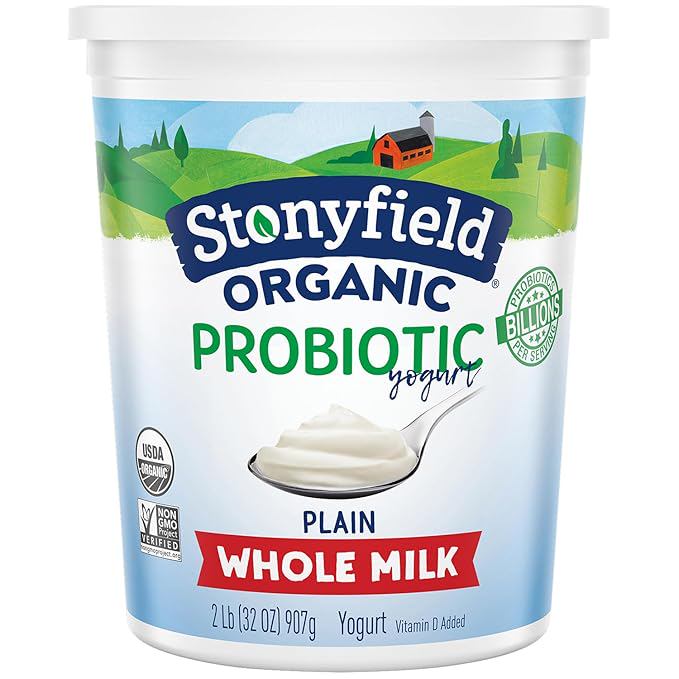
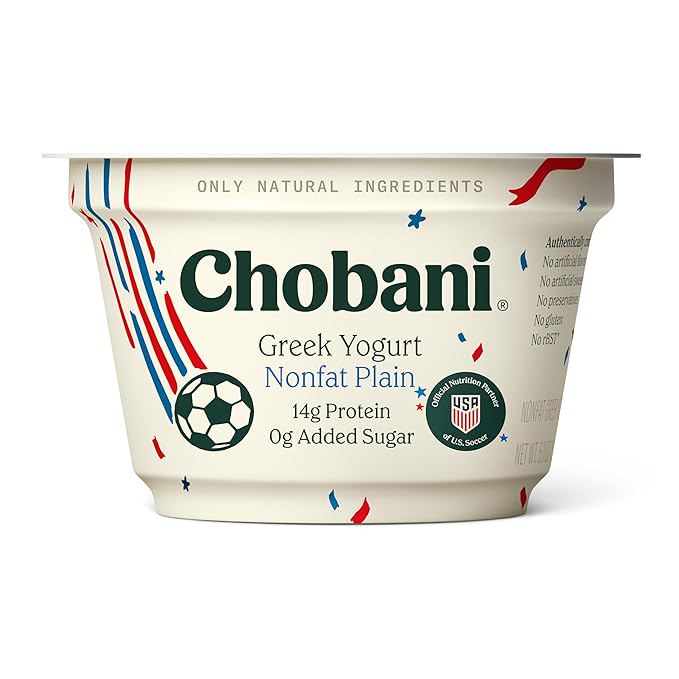
Yogurt is often the first food that comes to mind when thinking about probiotics, and for good reason. It is made from milk fermented by friendly bacteria, primarily Lactobacillus and Bifidobacterium. However, not all yogurt is created equal. Look for plain varieties that list “live and active cultures” on the label. Flavored yogurts often contain high amounts of added sugar, which can counteract some of the benefits by feeding less desirable bacteria.
A single serving of plain yogurt provides a convenient, portable vehicle for probiotics. It also delivers calcium and protein, making it a balanced choice for breakfast or a snack.
2. Kefir: A Potent Probiotic Drink
Kefir is a fermented milk drink that is thinner than yogurt but packed with a more diverse range of bacteria and yeasts. It is made by adding kefir grains—a symbiotic culture of lactic acid bacteria and yeasts—to milk. The fermentation process results in a tangy, slightly effervescent beverage that can contain up to 30 different strains of microorganisms.
For those who are lactose intolerant, kefir is often well-tolerated because the fermentation process breaks down most of the lactose. It can be drunk straight, blended into smoothies, or used as a base for salad dressings.
3. Sauerkraut: Fermented Cabbage with Staying Power
Sauerkraut is simply finely cut cabbage that has been fermented by lactic acid bacteria. It is rich in fiber, vitamins C and K, and, crucially, live probiotics. The key is to choose unpasteurized sauerkraut. Pasteurization kills the beneficial bacteria, leaving you with a shelf-stable product that lacks the gut health benefits.
Look for refrigerated sauerkraut in the deli section of your grocery store. A small forkful added to salads, sandwiches, or grain bowls adds a salty, tangy crunch and a dose of live cultures.
4. Kimchi: A Spicy Fermented Side
Kimchi is a Korean staple made from fermented vegetables, usually napa cabbage and radishes, along with a mix of seasonings like ginger, garlic, and chili pepper. The fermentation process relies on Lactobacillus kimchii and other beneficial bacteria. Beyond its probiotic content, kimchi is rich in antioxidants and fiber.
The heat from the chili peppers can also stimulate digestion. Use it as a side dish, mix it into fried rice, or pile it on top of tacos for a spicy, gut-friendly kick.
5. Miso: A Fermented Soybean Paste
Miso is a traditional Japanese seasoning produced by fermenting soybeans with salt and a fungus called Aspergillus oryzae (koji). It is a rich source of probiotics, particularly strains that can survive the acidic environment of the stomach. Miso also provides essential minerals like zinc and manganese.
The most common way to consume miso is in a simple soup, but it can also be used to make marinades, dressings, and glazes. To preserve the beneficial bacteria, do not boil miso; stir it into hot water or broth at the end of cooking.
6. Tempeh: A Fermented Soy Protein
Tempeh is made from whole soybeans that have been fermented and pressed into a firm, nutty cake. The fermentation process binds the soybeans into a patty and produces a natural antibiotic that can help protect against some harmful bacteria. It is one of the few plant-based foods that contains naturally occurring probiotics.
Tempeh is also high in protein, fiber, and prebiotics—the food that probiotics eat. It can be sliced, marinated, and pan-fried as a meat substitute in stir-fries, sandwiches, and salads.
7. Pickles (Lacto-Fermented)
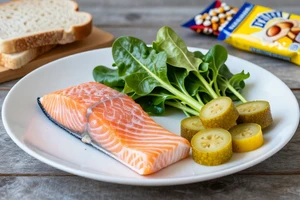
Not all pickles are created equal. The kind found on grocery store shelves—pickled in vinegar and brine—are typically not fermented and contain no live probiotics. You need lacto-fermented pickles, which are naturally fermented in a salt and water brine.
These pickles are typically found in the refrigerated section and have a noticeably tangier, more complex flavor than vinegar pickles. They are a low-calorie, crunchy source of probiotics. Eat them straight from the jar or chop them into salads and sandwiches.
A practical note: Start slowly. Introducing a large amount of probiotic foods at once can cause temporary bloating or gas as your gut adjusts. Add one serving per day and gradually increase.
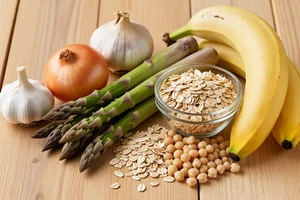
Consistency matters more than quantity. A forkful of sauerkraut with lunch or a small glass of kefir in the morning creates a steady supply of beneficial bacteria that can help restore balance, improve digestion, and support overall wellness. Pair these probiotic foods with prebiotic-rich foods—like garlic, onions, bananas, and oats—to feed the good bacteria and maximize the benefits.