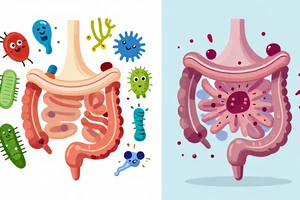
Your gut does more than digest food—it influences your mood, immunity, and even your energy levels. One of the most effective ways to support this ecosystem is by eating foods that contain live, beneficial bacteria. Probiotics are these friendly microorganisms, and they thrive in fermented and cultured foods. Below are seven evidence-backed choices you can easily work into your daily meals.
1. Yogurt
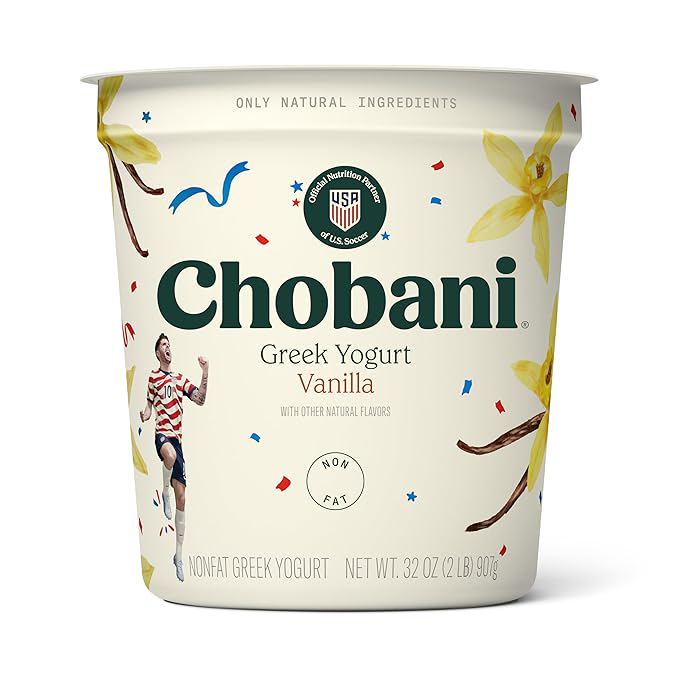
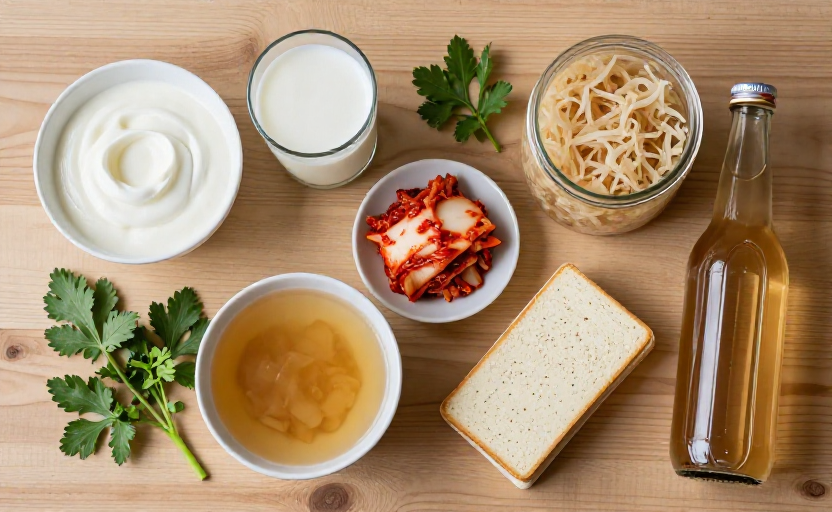
Yogurt is the most familiar probiotic source, made by fermenting milk with bacterial cultures like Lactobacillus and Bifidobacterium. Look for yogurts labeled with "live and active cultures"—those are the ones that deliver the bugs your gut needs. Stick with plain, unsweetened varieties to avoid added sugars, which can feed less desirable bacteria. Greek yogurt also works, though it tends to have fewer strains due to straining.
2. Kefir
Think of kefir as yogurt’s tangier, more potent cousin. It's a fermented milk drink made from kefir grains (a mix of bacteria and yeasts). Kefir often contains a wider diversity of probiotic strains than yogurt, along with yeasts that may help combat harmful organisms. You can drink it straight, blend it into smoothies, or pour it over granola. If dairy is an issue, water kefir and coconut milk kefir are available, but check the label for live cultures.
3. Sauerkraut
Finely shredded cabbage that has been fermented by lactic acid bacteria—that’s sauerkraut in its pure form. Not all versions are equal. The shelf-stable, pasteurized jars found on grocery shelves have been heat-treated, which kills the probiotics. Look for refrigerated, unpasteurized sauerkraut, often sold in the deli or produce section. A forkful alongside a sandwich or scrambled eggs adds crunch and live cultures.
4. Kimchi
Korea’s spicy fermented cabbage dish is packed with Lactobacillus bacteria and other microorganisms. Besides cabbage, kimchi often includes radish, scallions, and a mix of seasonings like ginger and chili pepper. The fermentation process creates a naturally sour, spicy flavor. You can eat it as a side dish, stir it into rice bowls, or top a grain bowl for a probiotic punch. Just be mindful of the sodium content if you're watching your salt intake.
5. Miso
Miso is a fermented soybean paste—the base of the comforting Japanese soup you know. It's made by inoculating soybeans with a mold called Aspergillus oryzae and letting it age. Miso contains Bacillus subtilis and other probiotics that survive digestion to some extent. White miso (shiro) is milder and sweeter; red miso (aka) is more robust and salty. To keep the beneficial bacteria alive, never boil miso—stir it into hot (not boiling) broth just before serving.
6. Tempeh
Tempeh is another fermented soybean product, but unlike miso, it's solid and cake-like. The fermentation process binds soybeans with Rhizopus mold, creating a nutty, firm protein source. Not all tempeh is high in viable probiotics, because it's often cooked before sale. However, lightly steamed or fermented-style tempeh (sometimes labeled "raw" or "unpasteurized") can still deliver beneficial microbes. It's also prized as a high-protein, high-fiber meat substitute. Slice it thin, marinate it, and pan-fry for a crispy addition to salads or wraps.
7. Kombucha
This fizzy, fermented tea is made by adding a symbiotic colony of bacteria and yeast (SCOBY) to sweetened black or green tea. During fermentation, the bacteria and yeast produce organic acids, B vitamins, and live probiotics. Many commercial kombuchas are refrigerated and raw—those are your best bet for live cultures. Flavored varieties often have added sugar; choose low-sugar versions to keep your gut happy. Start with a small serving (4-6 oz) to see how your digestive system responds, since the carbonation and organic acids can cause gas in some people.
A quick note on diversity: Your gut microbiome thrives on variety. Rotating different fermented foods exposes your gut to different strains—each with distinct benefits. Think of it as a rotation diet for your bacteria.
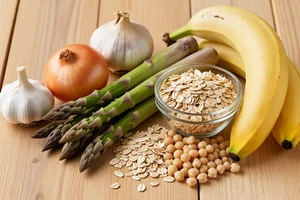
Adding these foods is one piece of the gut-health puzzle. Pair them with plenty of fiber (fruits, vegetables, whole grains) because prebiotics feed probiotics. Stay hydrated, manage stress, and limit highly processed foods. If you're new to fermented foods, start with one serving per day and increase gradually. Always talk with your healthcare provider before making significant dietary changes, especially if you have a compromised immune system or a history of severe food allergies.