When you live with food intolerances, the wrong bite can trigger a cascade of discomfort—bloating, cramping, nausea, or that heavy, stuck feeling that makes you want to curl up. While avoiding trigger foods is the first line of defense, sometimes reactions still happen. What you sip during recovery can make a meaningful difference. These seven gut-friendly drinks are chosen for their gentle, anti-inflammatory, and soothing properties, designed to help calm the digestive system after a reaction.
1. Gentle Ginger Tea
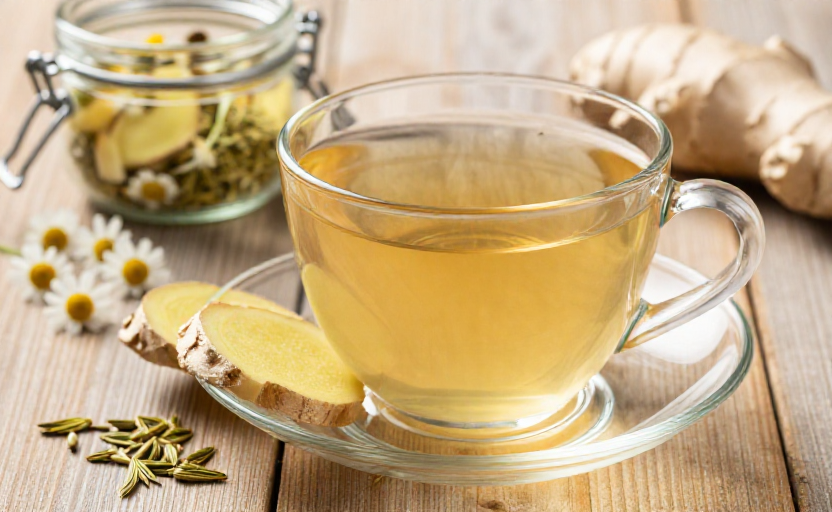
Ginger is one of the most well-researched roots for digestive relief. Fresh ginger tea, made by steeping sliced ginger root in hot water for 10 minutes, contains gingerols and shogaols—compounds that help relax the intestinal tract and reduce nausea. Keep it simple: avoid adding citrus or honey if those are also reactive for you. A plain, warm cup can ease stomach upset without further irritation.
Sip smart: If fresh ginger feels too strong, start with a weak tea (one thin slice per cup) and increase slowly as tolerated.
2. Plain Bone Broth
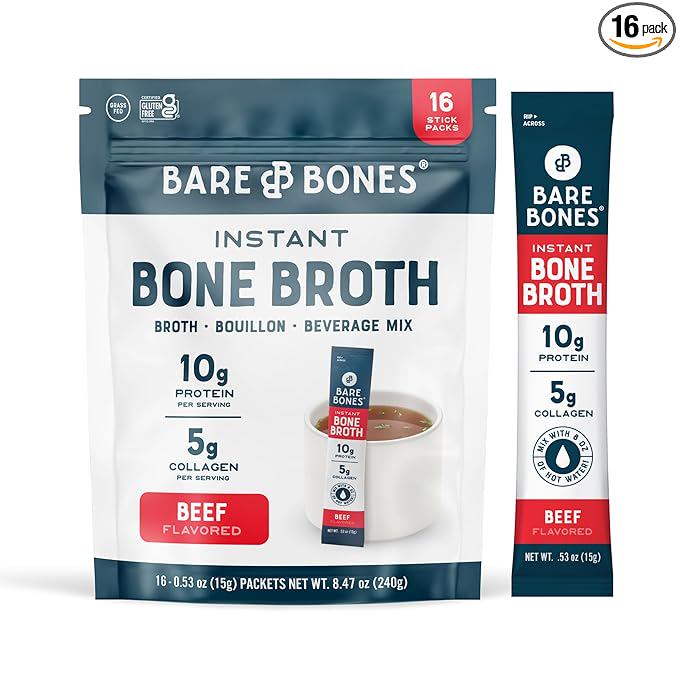
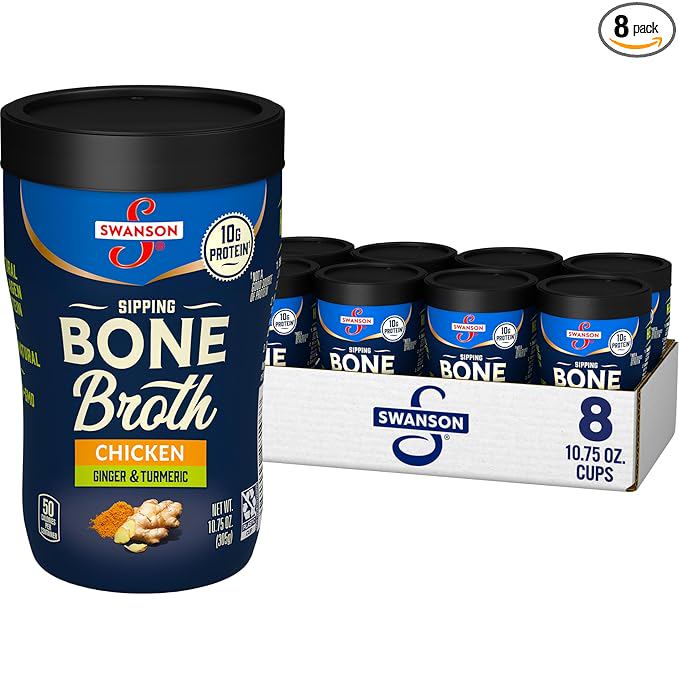
Bone broth is rich in gelatin, glycine, and glutamine—nutrients that support the intestinal lining. When you’re dealing with a reaction, a warm, salted cup of plain bone broth can provide hydration, electrolytes, and gentle nourishment without taxing the digestive system. Choose a version without onion or garlic powder if those are common triggers for you, or make your own with chicken or beef bones, water, and a pinch of salt.
3. Fennel Seed Infusion
Fennel seeds have a long history as a digestive aid, particularly for bloating and gas. To make fennel tea, crush a teaspoon of seeds lightly, steep in boiling water for 5–7 minutes, then strain. The volatile oils in fennel—including anethole—help relax intestinal muscles and reduce the sensation of trapped gas. This drink is naturally sweet and mild, making it easy to tolerate even for sensitive stomachs.
4. Dilute Aloe Vera Juice
Aloe vera juice is not the same as the gel you put on a sunburn—it’s a liquid from the leaf that has anti-inflammatory properties. For digestion, use internal-grade aloe juice that has been decolorized to remove aloin (a laxative compound). Start with a small amount—two tablespoons mixed into a glass of water—and drink slowly. Aloe can help soothe an irritated gut lining, but it’s not suitable for everyone; check with your healthcare provider if you have chronic conditions or take medications.
5. Unsweetened Chamomile Tea
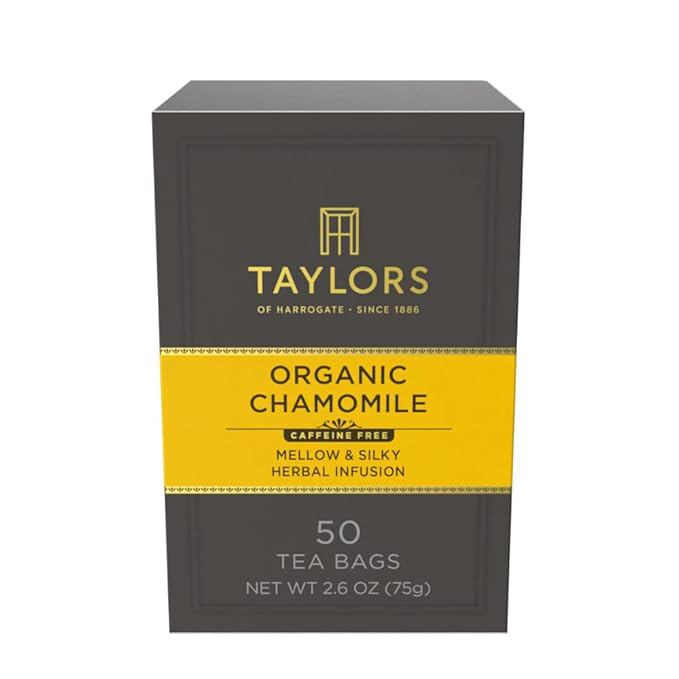
Chamomile is more than a bedtime tea. Its apigenin content has mild antispasmodic effects, meaning it can help calm cramping and reduce inflammation in the gastrointestinal tract. For post-reaction relief, brew a strong cup (two tea bags or a tablespoon of dried flowers) and sip it slowly. Avoid adding any milk, sweeteners, or flavorings that might reintroduce a trigger.
6. Simple Rice Water
Rice water is an underutilized remedy. To make it, boil one cup of white rice in four cups of water until the rice is very soft, then strain and drink the cloudy liquid. It provides gentle, easy-to-digest carbohydrates for energy and a small amount of electrolytes. Rice water is especially helpful after a reaction that involved vomiting or diarrhea, as it can help rehydrate without irritating the gut. Use only plain white rice—brown rice is higher in fiber and may be too harsh during recovery.
7. Low-Sugar Coconut Water
Coconut water provides natural electrolytes—particularly potassium and magnesium—which can be depleted during a food reaction. Choose plain, unsweetened coconut water with no added sugars or flavors. If you’re sensitive to FODMAPs (fermentable carbohydrates), be aware that coconut water can be moderate in sorbitol; stick to a small glass (4–6 ounces) to test your tolerance. For many, it’s a refreshing, gut-kind way to rehydrate.
How to Drink These for Best Effect
Timing and temperature matter. Sip these drinks warm or at room temperature—cold beverages can shock the digestive system and worsen cramping. Start with small amounts (a quarter to half a cup) every 20–30 minutes rather than downing a full glass. Listen to your body: if a drink doesn’t feel right, stop and try a different option. No single remedy works for everyone, and these are supportive tools, not replacements for medical care.
When to Seek Medical Help
These drinks are meant for mild, transient reactions. If you experience difficulty breathing, swelling of the lips or throat, severe vomiting, bloody stool, or symptoms that worsen despite resting and drinking fluids, seek medical attention immediately. A food intolerance is different from a food allergy, but both can require emergency care in severe cases. Keep a diary of your reactions to help you and your healthcare provider identify patterns over time.