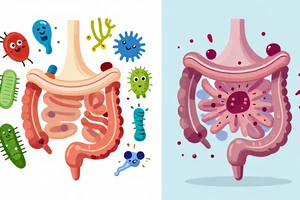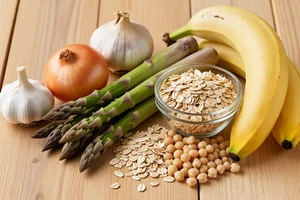
It’s a common scenario: you’re diligently eating your oats, bananas, and garlic, feeling good about the prebiotic fiber you’re feeding your gut bacteria. But if you’re pairing those choices with certain other foods, you might be unknowingly working against yourself. Prebiotic fibers are delicate fuel for your microbiome, and some common dietary habits can reduce their effectiveness or even deplete them before they reach your colon.
This isn’t about fear-mongering. It’s about awareness. By understanding which foods can interfere with prebiotic fiber availability, you can make simple shifts to protect the good work your diet is already doing. Below are seven foods and habits to be mindful of.
1. Overly Refined and Processed Grains
Think of prebiotic fibers like a slow-burning log on a campfire. Refined grains—white flour, white rice, and products made from them—are more like kindling. They are stripped of their outer bran and germ, where most of the fiber resides. When you eat a diet heavy in these refined grains, they digest quickly and take up space that could be occupied by fiber-rich whole grains, roots, and legumes. More importantly, they can shift the balance of your gut bacteria toward species that thrive on simple sugars, which may outcompete the beneficial bacteria that need prebiotic fibers to flourish. The result is a quieter, less diverse microbial community.
2. High-Sugar Beverages and Sweets
This one is less about direct depletion and more about distraction. Simple sugars, especially in liquid form like soda, sweetened teas, and fruit juices with added sugar, are rapidly absorbed in the small intestine. This means they never make it to the large intestine where prebiotics do their work. A diet consistently high in these sugars can lead to an overgrowth of less desirable bacteria and yeast. These organisms consume the simple sugars, leaving less room and resources for the fermentation of prebiotic fibers like inulin and fructooligosaccharides (FOS) found in foods like chicory root, onions, and asparagus. It’s a competition, and sugar often wins.
3. Non-Fermented Dairy in Large Quantities
For some people, heavy consumption of non-fermented dairy products (like whole milk and cream-based sauces) can interfere with prebiotic fiber digestion. This is not an issue of lactose intolerance for everyone, but rather how the calcium and proteins in dairy can bind to certain types of prebiotic fibers, particularly those high in soluble fiber like psyllium or beta-glucans (found in oats and barley). This binding can slow down their fermentation rate or make them less accessible to gut bacteria. Fermented options like yogurt, kefir, and aged cheese, on the other hand, already contain beneficial bacteria and are generally easier on the microbiome.
4. Excessive Red Meat
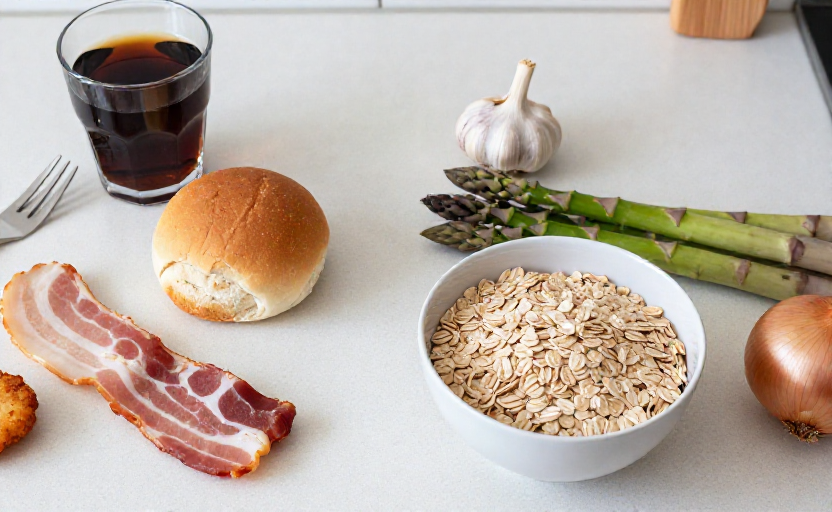
High intake of red meat, especially processed varieties like bacon, sausage, and deli meats, changes the environment of the colon. The body digests animal protein and fat in a way that can increase the production of compounds like ammonia and hydrogen sulfide. While this doesn’t magically erase prebiotic fibers you’ve eaten, it creates a more alkaline and potentially inflammatory environment in the gut. Beneficial bacteria that thrive on prebiotic fibers prefer a slightly acidic environment. When red meat intake is high, it can favor less beneficial bacteria that are more resistant to this alkaline shift, effectively reducing the colonization of the bacteria that actually need the prebiotics you are consuming.
A simple habit shift: Treat red meat as a side dish rather than the main event. Let vegetables, legumes, and whole grains be the foundation of your meal.
5. Artificial Sweeteners
Artificial sweeteners like sucralose, saccharin, and aspartame are designed to pass through the digestive system without being absorbed, which is why they have zero calories. However, research suggests they can alter the composition of the gut microbiome. Some studies indicate that these sweeteners may reduce the populations of beneficial bacteria that feed on prebiotic fibers, while allowing potentially harmful bacteria to thrive. This doesn’t mean a single diet soda will ruin your gut health, but regular consumption can create a microbial community less equipped to handle the prebiotic fibers you eat from foods like garlic, leeks, and chicory root.
6. Fried and High-Fat Oils (Especially Omega-6 Rich)
Heavily fried foods, along with oils high in omega-6 fatty acids (like corn, soybean, and sunflower oil), can promote chronic low-grade inflammation in the gut lining. This inflammation can thin the mucus layer that protects the gut wall. Many prebiotic fibers work by feeding bacteria that produce butyrate, a short-chain fatty acid that strengthens this mucus layer. When the gut lining is inflamed from a high intake of processed oils, the bacteria that produce butyrate struggle to survive. You could be eating piles of prebiotic-rich foods, but the damaged environment prevents the full benefit from being realized.
7. Alcohol in High Amounts
Alcohol is a gut irritant. In high doses, it directly damages the cells lining the small and large intestines. It can also kill beneficial bacteria and allow bacterial overgrowth in the small intestine (SIBO), a condition where bacteria ferment food in the wrong place, leading to gas, bloating, and discomfort. This disrupts the entire ecosystem. Even moderate alcohol consumption has been shown to reduce the diversity of the microbiome. If your gut is compromised by alcohol, the prebiotic fibers you eat may not be fermented efficiently, or the bacteria that would ferment them may be significantly reduced in number.
The takeaway: You don’t need to micromanage every morsel. But if you’re actively trying to improve your gut health by eating prebiotic-rich foods like onions, garlic, asparagus, Jerusalem artichokes, and whole grains, it helps to minimize these seven dietary factors. The goal is to create an environment where your gut bacteria can thrive—not just to check a box for fiber. Small, consistent choices make the biggest difference over time.