If you’ve been diagnosed with histamine intolerance—or suspect you might have it—you know the frustration of eating something seemingly harmless only to end up with a headache, stuffy nose, or itchy skin. Histamine intolerance isn’t an allergy in the classic sense; it’s a buildup of histamine that your body can’t break down fast enough, often due to low levels of the enzyme diamine oxidase (DAO). The result? A range of symptoms that can mimic allergies or digestive disorders.
One of the most effective ways to manage this condition is through diet. While individual triggers vary, certain foods are consistently high in histamine or can cause your body to release histamine (these are called histamine liberators). Below are seven common culprits that many people with histamine intolerance find problematic. Remember, everyone’s threshold is different—this list is a starting point, not a prescription.
Aged Cheeses and Cultured Dairy
Cheese is a classic histamine-rich food. The longer a cheese ages, the more histamine it accumulates. This includes beloved varieties like cheddar, gouda, parmesan, blue cheese, and brie. Fresh cheeses such as mozzarella, ricotta, and cottage cheese are generally lower in histamine and better tolerated by many.
Tip: If you miss cheese, try small amounts of fresh mozzarella or goat cheese and see how your body responds.
Fermented Foods and Vegetables
Fermentation is a histamine factory. Foods like sauerkraut, kimchi, pickles, kombucha, kefir, and yogurt (especially if cultured for a long time) are very high in histamine. While these are praised for their probiotic benefits in a healthy gut, for someone with histamine intolerance, they can trigger significant symptoms. That includes miso, tempeh, and soy sauce.
Smoked, Cured, and Aged Meats
Bacon, salami, pepperoni, ham, smoked sausage, and other processed meats are high in histamine due to the curing and aging process. Even leftover fresh meat, if stored for a few days, can accumulate histamine. Fresh, unprocessed meat that is cooked and eaten right away is a much safer choice.
Alcohol, Especially Red Wine and Beer
Alcohol is a double threat: it is high in histamine (particularly red wine and beer), and it also blocks the DAO enzyme that breaks histamine down. This can lead to a rapid buildup of histamine in the body. For many, even a small glass of wine can bring on facial flushing, headaches, or nasal congestion. Clear spirits like vodka or gin may be better tolerated in very small amounts, but alcohol is best minimized overall.
Canned, Pickled, and Smoked Fish
Fish is a tricky category. Freshly caught and cooked fish is typically low in histamine. But once fish is canned, smoked, or pickled, histamine levels can skyrocket. Tuna, sardines, anchovies, mackerel, and herring in cans or jars are common triggers. Even leftover cooked fish stored overnight can become problematic for sensitive individuals.
Certain Fruits and Vegetables
Some produce items naturally contain histamine or can trigger its release. The most frequently cited include:
- Tomatoes (including tomato sauce, ketchup, and paste)
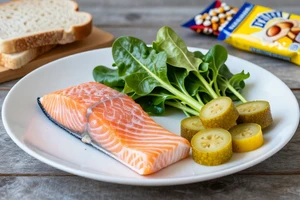
- Spinach
- Avocados
- Eggplant
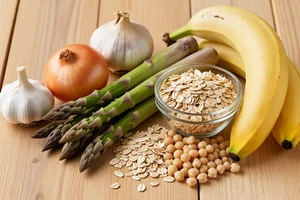
- Bananas
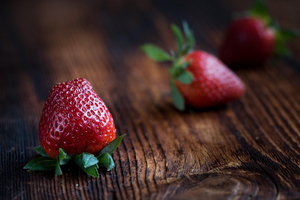
- Strawberries
- Citrus fruits (oranges, lemons, grapefruit)
These are not inherently “bad,” but they are common triggers. Many people find they can tolerate small amounts or occasional servings without issue.
Vinegar and Vinegar-Containing Foods
Vinegar is made through fermentation, making it a high-histamine ingredient. This includes distilled white vinegar, apple cider vinegar, balsamic vinegar, and red wine vinegar. Foods that contain significant amounts of vinegar—like pickles, salad dressings, mayonnaise, mustard, and ketchup—can also cause reactions. Fresh lemon juice is often a good substitute for vinegar in dressings and marinades.
Living with histamine intolerance often involves careful experimentation. Keeping a food diary and tracking symptoms can help you identify your personal trigger foods. While the list above covers the most common offenders, you may find that you can tolerate some of these foods in small amounts or when they are very fresh. Working with a healthcare professional who understands histamine intolerance can also be invaluable for tailoring your diet and addressing any underlying gut health issues.