Omega-3 fatty acids are well-known for supporting heart health, brain function, and reducing inflammation. While fish oil supplements are a popular choice, many people prefer to get their nutrients directly from food sources. The good news is that you can absolutely meet your omega-3 needs through diet alone if you know which foods to prioritize.
This article explores seven foods that naturally support your omega-3 intake without relying on pills or capsules. From well-known fatty fish to surprising plant-based options, these whole foods fit easily into everyday meals.
Why Omega-3 Matters
The three main types of omega-3s are ALA (alpha-linolenic acid), DHA (docosahexaenoic acid), and EPA (eicosapentaenoic acid). DHA and EPA are primarily found in animal sources like fish, while ALA comes from plants. The body can convert some ALA into DHA and EPA, but the process is not very efficient. That is why eating a variety of omega-3 sources is key.
1. Salmon
Salmon is arguably the most famous omega-3 powerhouse. A standard 3.5-ounce serving of wild Atlantic salmon provides around 2.2 grams of DHA and EPA combined. Farmed salmon also delivers a significant amount, often slightly higher in total fat content. Whether grilled, baked, or added to salads, salmon is a versatile choice that delivers results.
Tip: Aim for two servings of fatty fish per week, as recommended by dietary guidelines, to meet your omega-3 needs.
2. Mackerel
Mackerel is a small, oily fish that often gets overlooked. It is incredibly nutrient-dense. A 3.5-ounce portion of Atlantic mackerel contains roughly 2.5 grams of DHA and EPA. Its strong flavor works well in pâtés, smoked dishes, or simply pan-seared with lemon and herbs.
3. Sardines
Sardines are convenient, affordable, and packed with omega-3s. A single can (about 3.5 ounces) of sardines packed in water or olive oil delivers approximately 1.5 grams of DHA and EPA. They are also an excellent source of calcium and vitamin D. Eat them straight from the can, mash them on whole-grain toast, or toss them into pasta.
4. Anchovies
Anchovies may be small, but they are mighty in omega-3 content. A 2-ounce serving provides about 1 gram of combined DHA and EPA. They are a staple in Caesar dressing, pizza toppings, and Mediterranean cuisine. If you find them too salty, soaking them in milk or water for a few minutes can mellow the flavor.
5. Flaxseeds
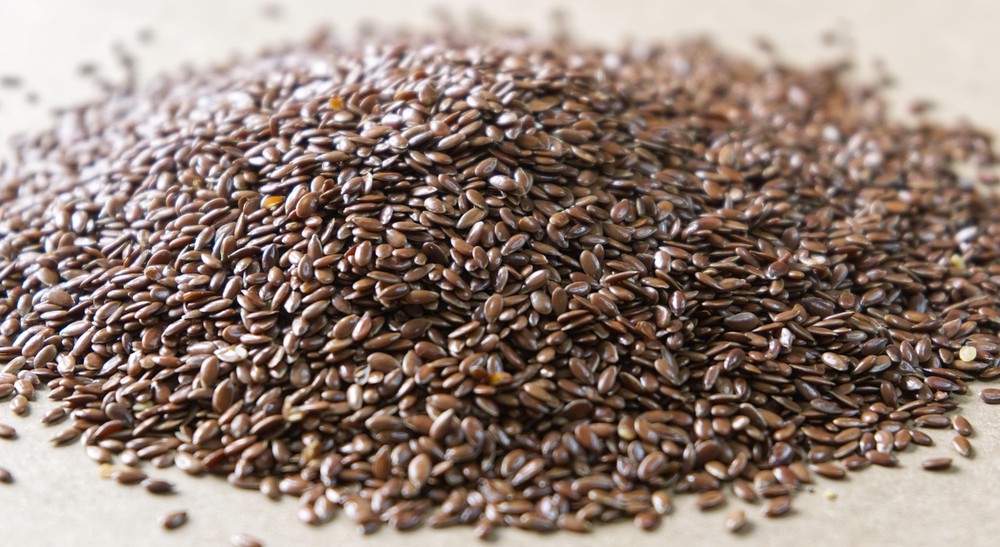
For plant-based eaters, flaxseeds are a top source of ALA. Just one tablespoon of ground flaxseed contains about 1.6 grams of ALA. Whole flaxseeds often pass through the digestive system undigested, so grinding them improves absorption. Sprinkle ground flaxseed into smoothies, oatmeal, yogurt, or baked goods for an easy nutrient boost.
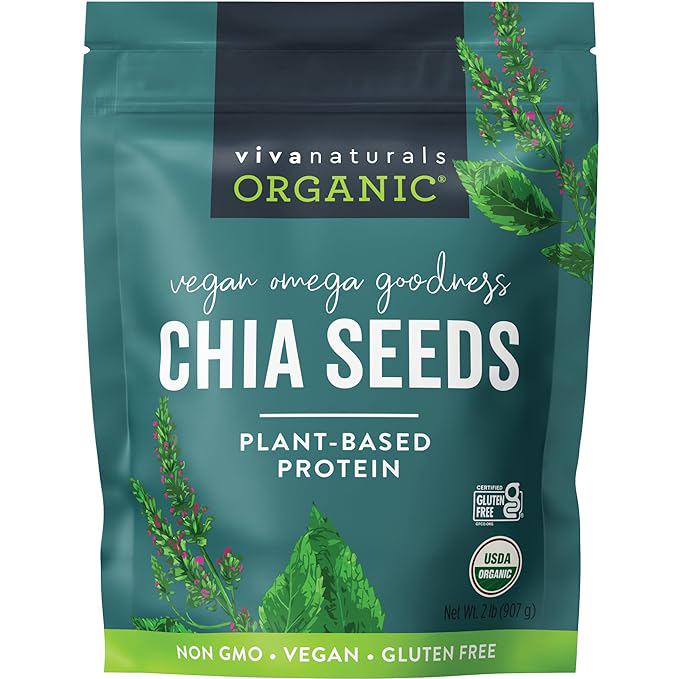
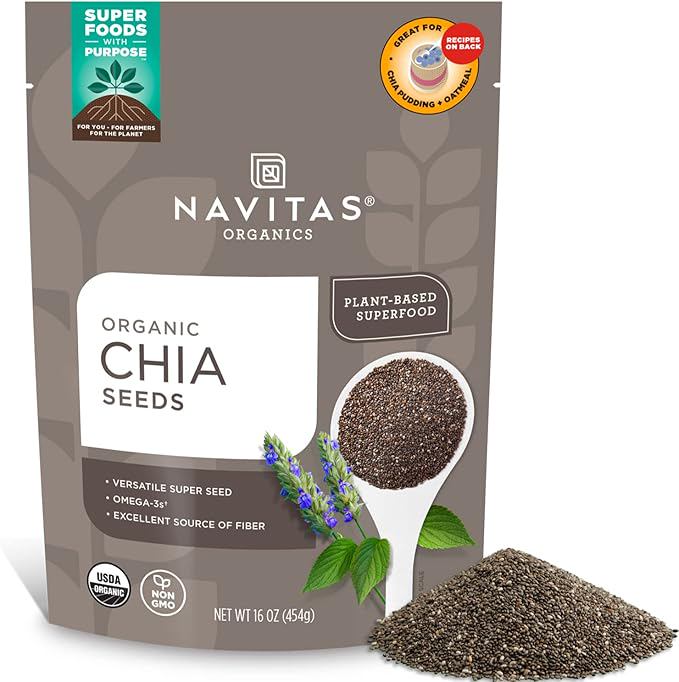
6. Chia Seeds
Chia seeds are another plant-based champion. A single ounce (about two tablespoons) delivers roughly 5 grams of ALA. They also provide fiber, protein, and minerals. Chia seeds absorb liquid and form a gel, which makes them perfect for puddings, overnight oats, and as an egg substitute in baking.
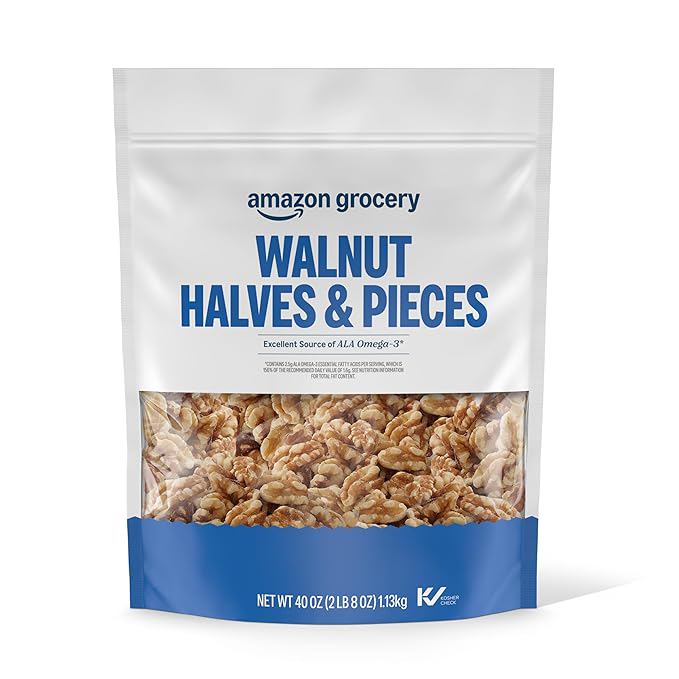
7. Walnuts
Walnuts stand out among nuts for their omega-3 content. A one-ounce serving (about 14 halves) contains approximately 2.5 grams of ALA. They are also rich in antioxidants and healthy fats. Snack on a handful of walnuts, add them to salads, or use them as a crunchy topping for roasted vegetables.
How to Build a Balanced Omega-3 Plate
You do not need to eat all seven foods every day. The key is variety and consistency. A practical approach might include fatty fish twice a week, a tablespoon of ground flaxseed in your morning smoothie, and a handful of walnuts as an afternoon snack. This pattern covers both animal-based DHA/EPA and plant-based ALA while supporting your overall nutrition.
If you follow a vegetarian or vegan diet, focus on ALA-rich foods like chia seeds, flaxseeds, and walnuts, and consider that conversion of ALA to DHA is limited. Including a small amount of algae oil (a plant-based DHA source) can help bridge the gap if needed.
Getting enough omega-3s without supplements is completely achievable when you incorporate these seven foods into your regular eating habits. Whole foods provide additional nutrients like protein, fiber, vitamins, and minerals that supplements cannot match. By diversifying your sources, you support your heart, brain, and overall well-being with every meal.