You've just rolled up your mat after a evening yoga practice. Your muscles feel loose, your breath is slow and even. But sometimes, even after a deeply grounding Savasana, the mind still buzzes. You want to sleep, but that internal hum won't let you drift off.
Eating the right thing after practice — and before you brush your teeth — can bridge the gap between a quiet workout and a deep night's sleep. The goal isn't a heavy meal, but a light snack that coaxes your parasympathetic nervous system, the 'rest and digest' branch, into the driver's seat. These seven foods are rich in compounds like magnesium, tryptophan, and potassium that naturally ease the body toward sleep.
1. Tart Cherries or Unsweetened Tart Cherry Juice
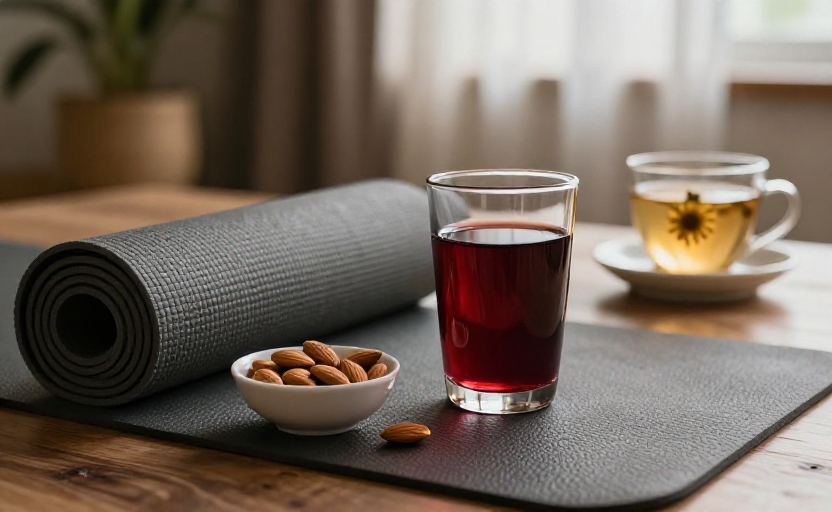
Tart cherries are one of the few natural food sources of melatonin, the hormone that regulates your sleep-wake cycle. They also contain tryptophan, an amino acid your body converts into serotonin and then melatonin. A small glass of unsweetened tart cherry juice (about 4 ounces) or a quarter-cup of dried tart cherries can nudge your internal clock toward sleep. The subtle sweetness is satisfying without overloading your digestive system post-yoga.
2. A Handful of Almonds
Almonds are a solid source of magnesium, a mineral that's often marketed as a sleep aid for good reason. Magnesium helps activate GABA receptors in the brain. GABA is your primary inhibitory neurotransmitter; it calms nerve firing and quiets the 'chatter'. Eating a small handful of almonds (about 1 ounce) after an evening practice provides roughly 75-80 mg of magnesium. Pair them with a few dried tart cherries for a simple, effective combo.
Think of this snack as the gentle push your nervous system needs to shift from yang (active) to yin (restorative) mode.
3. A Small Kiwi (or Two)
Kiwifruit is surprisingly rich in serotonin, a neurotransmitter that promotes relaxation and helps regulate your internal clock. Research suggests eating two kiwis an hour before bed can improve sleep onset, duration, and quality. The fruit also provides folate and antioxidants that may help reduce inflammation and oxidative stress — both factors that can interfere with restorative sleep. They're light, hydrating, and easy on the stomach after practice.
4. A Glass of Warm Milk (Dairy or Unsweetened Plant-Based)
This is a classic for a reason. Milk contains tryptophan, and while the amount isn't huge, the warm, comforting ritual itself seems to cue your brain that it's time to wind down. The combination of calcium and magnesium in dairy milk also aids muscle relaxation. If you use a plant-based milk like oat or almond, choose an unsweetened variety that's fortified with calcium. The warmth is the key — it gently raises your core body temperature, and the subsequent drop can help initiate sleep.
5. Oatmeal (Made with Water or Plant Milk, Lightly Sweetened)
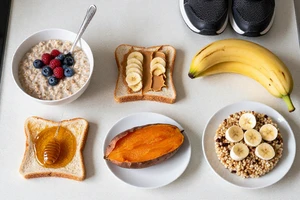
Oats are a complex carbohydrate that promotes steady blood sugar, preventing the spikes and crashes that can jolt you awake later. They also contain melatonin and tryptophan, plus key B vitamins. A small, warm bowl of oatmeal (not a huge portion) about an hour after your cooldown can feel deeply grounding. Keep toppings simple: a pinch of cinnamon and a few sliced almonds. Avoid heavy sweeteners or fruit syrups.
Why blood sugar matters for sleep
After yoga, your body is primed to accept nutrients, but unstable blood sugar is a common hidden cause of middle-of-the-night wakefulness. A balanced mini-meal with complex carbs and a little protein (the oats plus the almonds) keeps your glucose steady through the early sleep cycles.
6. A Small Banana
Bananas are a well-known source of potassium and magnesium — both muscle relaxants. They also contain tryptophan, which your body uses to make serotonin. A medium banana before bed is easy to digest and provides a natural sweetness that can satisfy a post-yoga craving without refined sugar. The flexibility in your hips and hamstrings from practice pairs nicely with the muscle-relaxing effect of the potassium.
If you feel a little hungry, half a banana with a smear of almond butter gives you a perfect protein-fat-carb balance.
7. A Cup of Chamomile Tea with a Side of Pumpkin Seeds
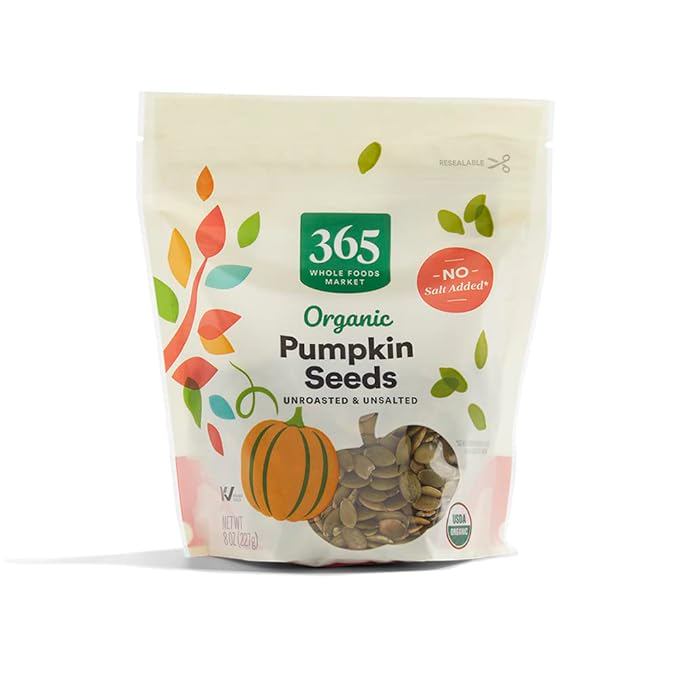
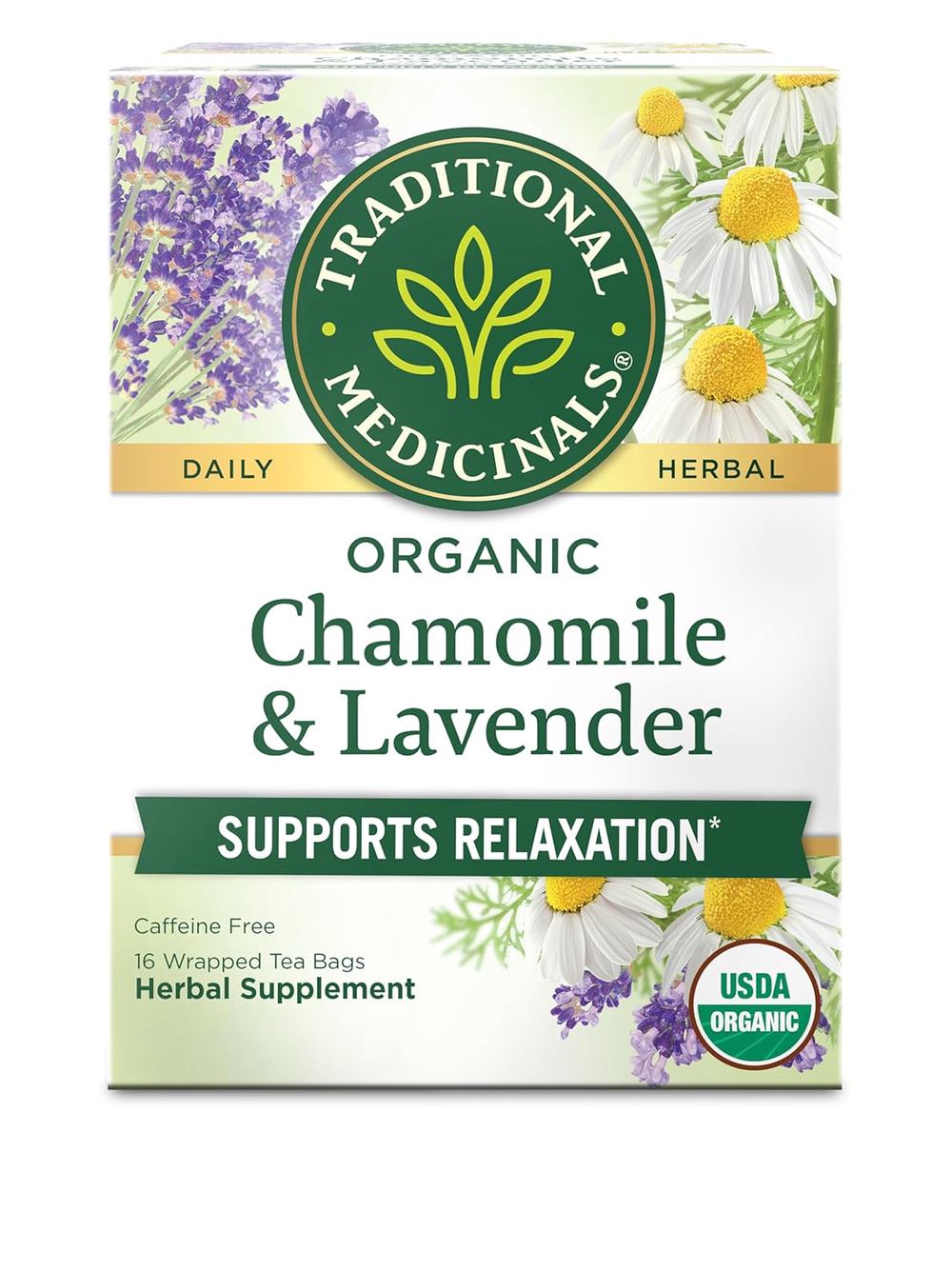
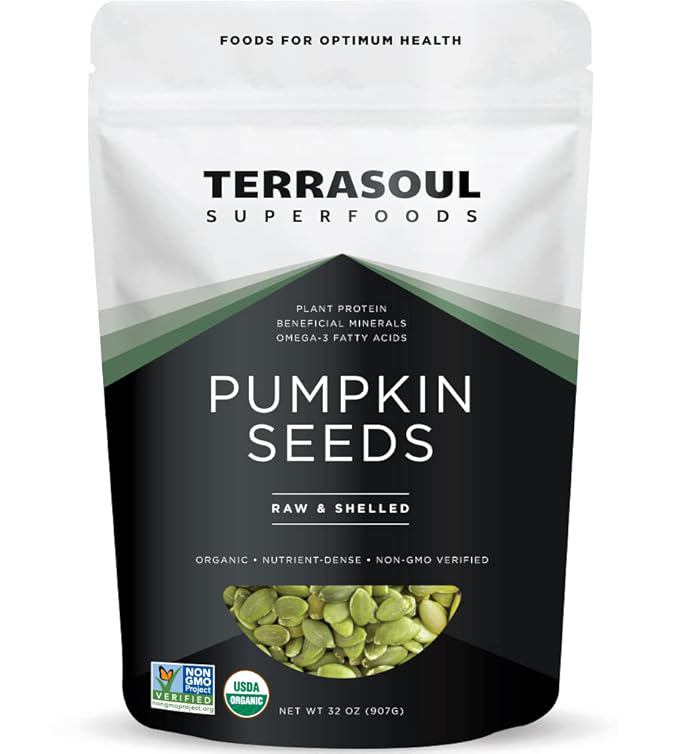
Chamomile tea contains apigenin, an antioxidant that binds to specific receptors in your brain to promote drowsiness and reduce anxiety. It's a mild, safe sedative effect. Pairing the tea with a tablespoon of pumpkin seeds adds a natural source of magnesium and zinc — zinc supports the conversion of tryptophan into serotonin. The combination is hydrating, calming, and contains no caffeine. It's the ideal liquid-plus-crunch snack for nights when you crave something light and warm.
A final note on timing: Give yourself at least 30–45 minutes between eating and lying down. Your body needs a short window to begin digestion. Use that time to do a few seated hip openers, a forward fold, or just sit quietly with a book. Let the food and the practice settle together. The sleep that follows will be deeper for it.