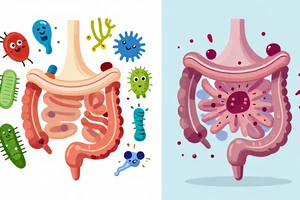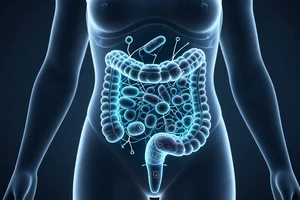
Your gut is a bustling ecosystem, home to trillions of bacteria, fungi, and other microbes that work together to digest food, support your immune system, and even influence your mood. This community, known as your gut microbiome, thrives on balance. Just as a diverse garden needs the right conditions, your gut bacteria need the right fuel. The problem is, some everyday foods can act like weeds, crowding out beneficial bacteria and allowing less helpful ones to flourish. The result can be more than just temporary discomfort; it can lead to ongoing digestive issues, inflammation, and a weakened gut barrier.
Understanding which foods tend to be disruptive isn't about creating a list of forbidden items or promoting fear around eating. It's about cultivating awareness. Many of these foods are fine in moderation, especially within a diet rich in fiber and fermented foods. But when they become staples, they can quietly tip the scales. Let's look at some of the most common dietary culprits that can throw your delicate gut bacteria balance off-kilter.
Highly Processed Foods
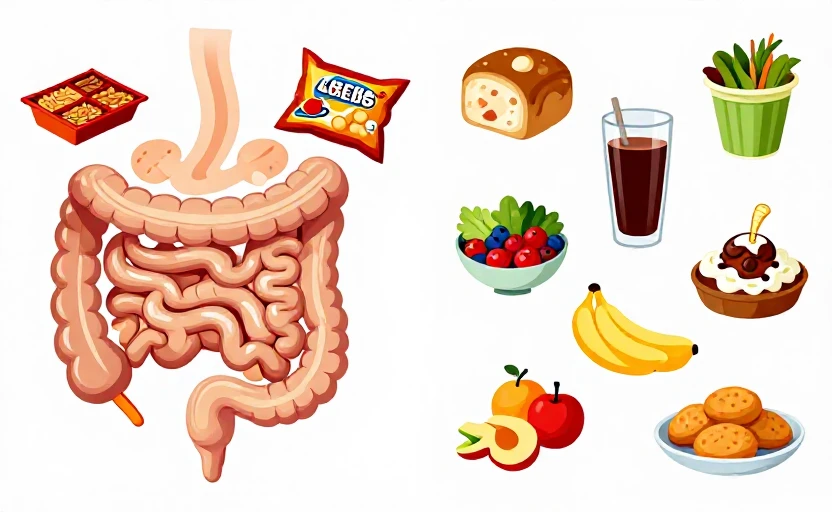
This broad category is often public enemy number one for gut health. Ultra-processed foods—think packaged snacks, sugary cereals, frozen meals, and most fast food—are typically low in the fiber that good bacteria love and high in ingredients that can cause trouble.
They often contain emulsifiers like polysorbate 80 and carboxymethylcellulose, which are added to improve texture and shelf life. Research suggests these additives may degrade the protective mucus layer in your gut and increase inflammation, creating an environment where harmful bacteria can thrive. Furthermore, the lack of dietary fiber in these foods starves your beneficial microbes, essentially putting them on a diet they can't survive.
A diet consistently high in processed foods can reduce the overall diversity of your gut microbiome, which is a key marker of its health and resilience.
Artificial Sweeteners
Switching from sugar to a zero-calorie sweetener like aspartame, sucralose, or saccharin might seem like a smart move for your waistline, but your gut bacteria may tell a different story. These synthetic compounds are not absorbed in the upper intestine and travel to the colon, where they directly interact with your microbiota.
Studies have shown that artificial sweeteners can alter the composition and function of gut bacteria, sometimes in ways that promote glucose intolerance—a precursor to metabolic issues. They appear to encourage the growth of bacterial strains associated with disease while suppressing others. For some people, this shift can lead to bloating and gas as the bacteria ferment these unfamiliar substances.
Fried and High-Fat Foods (Especially Certain Fats)
It's not fat itself that's the issue—healthy fats from avocados, nuts, and olive oil are beneficial. The problem arises with diets excessively high in saturated fats and the types of fats used in deep frying, often industrial seed oils high in omega-6 fatty acids.
A long-term diet heavy in these fats can increase the abundance of bile-tolerant bacteria like certain Bilophila species, which are linked to inflammation and inflammatory bowel disease. The high-heat process of frying can also create advanced glycation end products (AGEs), which may damage gut cells and promote inflammation, further disrupting the microbial environment.
Excessive Alcohol
Regular, heavy alcohol consumption is a well-known disruptor. Alcohol can damage the cells lining your intestines, increasing intestinal permeability (often called "leaky gut"). This allows bacteria and their byproducts to pass into the bloodstream, triggering widespread inflammation.
Chronic alcohol intake is consistently linked to a decrease in beneficial bacteria like Lactobacillus and an overgrowth of potentially harmful ones. It also alters the gut environment, making it more acidic and less hospitable to a diverse microbial community. Moderation is key; the occasional drink is less likely to cause lasting imbalance than habitual overconsumption.
Sugary Drinks and Snacks
Refined sugar is a quick meal for bacteria, but it's a selective one. A surge of simple sugars can fuel the rapid growth of pro-inflammatory bacteria and yeast (like Candida) at the expense of more beneficial, fiber-fermenting species.
This is why a high-sugar diet is associated with less bacterial diversity. Sodas, juices, candy, and pastries deliver a concentrated dose that can cause microbial dysbiosis—an imbalance linked to conditions like small intestinal bacterial overgrowth (SIBO), where bacteria proliferate in the wrong part of the digestive tract, leading to significant bloating and discomfort.
Red Meat (In Large, Frequent Quantities)
Eating red meat occasionally is not the primary concern. The issue emerges when it dominates the plate, especially when it crowds out plant-based foods. Red meat is rich in L-carnitine and choline. When certain gut bacteria metabolize these compounds, they produce a substance called trimethylamine (TMA), which your liver converts to trimethylamine N-oxide (TMAO).
High levels of TMAO are a strong risk factor for cardiovascular disease. Diets consistently high in red meat can shift your gut bacteria toward communities that are more efficient at producing TMA, setting up this harmful chain reaction. The lack of dietary fiber that often accompanies a meat-heavy diet exacerbates the problem by not feeding the bacteria that support a healthy gut lining.
Dairy (For Some People)
This one is highly individual. For people with lactose intolerance, consuming dairy products like milk, soft cheese, and ice cream can lead to significant digestive distress—bloating, gas, and diarrhea. This occurs because they lack sufficient lactase, the enzyme needed to break down the sugar (lactose) in dairy.
When undigested lactose reaches the colon, it becomes a feast for gas-producing bacteria, causing an imbalance in symptoms. Even for those without a diagnosed intolerance, some individuals may be sensitive to the proteins in dairy (casein or whey), which can trigger an inflammatory response that indirectly disrupts the gut ecosystem.
What to Focus On Instead
If this list feels daunting, remember that the goal is balance, not perfection. The most powerful step you can take is to increase your intake of foods that support good bacteria. Think of it as tending the garden.
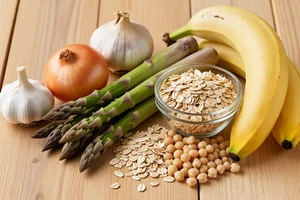
- Fiber is fundamental. Aim for a variety of fruits, vegetables, legumes, and whole grains. Fiber is the preferred food (prebiotic) for your beneficial microbes.
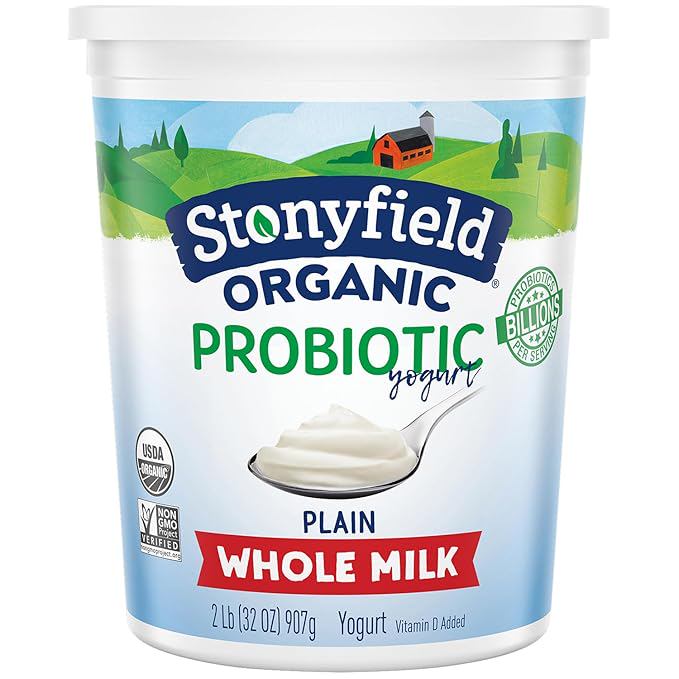
- Include fermented foods. Yogurt (with live cultures), kefir, sauerkraut, kimchi, and kombucha introduce beneficial live bacteria (probiotics) to your system.
- Embrace diversity. Eating a wide range of plant-based foods each week promotes a diverse and resilient microbiome.
You don't need to eliminate every potentially disruptive food. Instead, notice patterns. If you experience regular bloating, fatigue, or digestive upset, consider whether one of these foods is a daily fixture in your diet. Try reducing its frequency while boosting prebiotic and probiotic foods, and observe how you feel. Your gut—and the trillions of residents within it—will often give you the clearest feedback.