Nutrient density is one of those terms that sounds straightforward. Get more nutrients per calorie, right? In practice, the concept is often muddled by half-truths and outdated advice. Believing the wrong things can quietly undermine a well-intentioned diet, leading you to miss key nutrients or overcomplicate healthy eating.
Here are seven common myths about nutrient density that might be hurting your progress, along with the facts you need to make smarter choices.
Myth 1: All vegetables are equally nutrient-dense
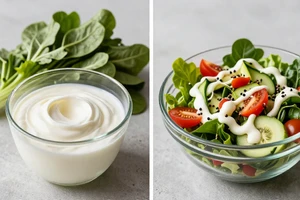
It’s easy to assume that if it’s a vegetable, it’s packed with nutrients. The reality is that vegetables vary widely in their vitamin, mineral, and antioxidant content. Iceberg lettuce, for example, is mostly water and provides very little beyond hydration and a bit of fiber. Compare that to kale, spinach, or broccoli, which deliver vitamin K, vitamin C, folate, and a range of protective plant compounds.
That doesn’t mean iceberg has no place in your diet — it’s fine for texture and volume. But if you rely solely on low-density greens, you’re missing out on the concentrated nutrition that darker, more colorful options provide. A simple swap or addition can make a meaningful difference over time.
Myth 2: Fresh produce is always more nutrient-dense than frozen
Many people pass over the frozen aisle, believing fresh is superior. Nutritional studies tell a different story. Frozen fruits and vegetables are typically picked at peak ripeness and flash-frozen, which locks in their nutrient content. Fresh produce, on the other hand, can travel for days or weeks, losing vitamins — especially C and B-complex — along the way.
In some cases, frozen options are actually more nutrient-dense than fresh ones that have been sitting on a shelf. Stocking your freezer with frozen berries, spinach, or broccoli is a practical and affordable way to keep high-density foods on hand.
Myth 3: Fewer calories always means higher nutrient density
This myth encourages people to gravitate toward low-calorie foods, thinking they’re automatically the healthier choice. But nutrient density is about the ratio of nutrients to calories, not just the calorie count itself. Diet soda has very few calories and zero nutrients — that’s not density, that’s emptiness.
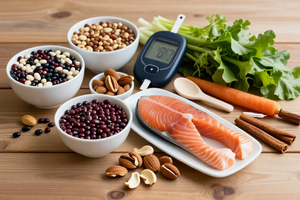
In contrast, a handful of walnuts or a piece of salmon has more calories but delivers healthy fats, protein, vitamins, and minerals that your body actually needs. The goal is not to minimize calories but to maximize the nutrients you get from each bite.
Myth 4: Superfoods are the only path to high nutrient density
Marketing has convinced many of us that nutrient density is reserved for exotic ingredients like acai, goji berries, or spirulina. While those foods are nutritious, they’re not magic, and they’re not necessary for a high-density diet.
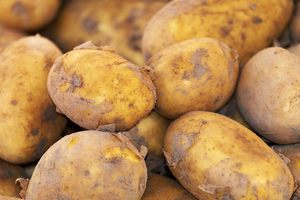
Common, affordable foods can be just as nutrient-dense. Eggs, canned sardines, lentils, carrots, and potatoes are all packed with vitamins and minerals. The idea that you need a pantry full of trendy superfoods to eat well is a misconception that can make healthy eating feel expensive and inaccessible.
Myth 5: Cooking always destroys nutrients
There’s a persistent belief that raw food is the only way to preserve nutrient density. While some vitamins are sensitive to heat, cooking can also make certain nutrients more bioavailable. Lycopene in tomatoes, for example, becomes easier for your body to absorb after cooking. The same goes for beta-carotene in carrots.
The key is to avoid overcooking. Gentle methods like steaming, roasting, or sautéing help retain nutrients far better than boiling until mushy. A diverse diet that includes both raw and cooked foods offers the best of both worlds.
Myth 6: Nutrient-dense foods must be expensive
Another myth that keeps people from eating well is the assumption that nutrient density comes with a high price tag. In reality, some of the most nutrient-packed foods are budget-friendly. Canned beans, frozen vegetables, eggs, whole grains like oats, and seasonal produce are all dense in nutrients without costing much.
Planning meals around these staples rather than marked-up health foods or supplements is a more sustainable way to nourish yourself. Nutrient density is not about how much you spend — it’s about how well you choose.
Myth 7: You can’t get enough nutrients on a plant-based diet
Some people worry that eliminating animal products means sacrificing nutrient density. While it’s true that certain nutrients like vitamin B12, zinc, and iron are more abundant in animal foods, a well-planned plant-based diet can be highly nutrient-dense. Lentils, chickpeas, tofu, quinoa, leafy greens, nuts, and seeds all provide substantial nutrition.
Paying attention to variety is key. Plant-based eaters can cover their needs by including beans and greens, adding fortified foods for B12, and pairing iron-rich foods with vitamin C sources to boost absorption. It’s not about avoiding animal products — it’s about making sure the plants you eat are truly dense and varied.
Correcting these myths frees you to focus on what really matters: eating a variety of whole foods, prepared sensibly, and chosen for the nutrition they offer rather than the hype around them.