
Starting a yoga practice is a beautiful commitment to your well-being. Yet, in those first few weeks or months, it’s surprisingly easy for small missteps to quietly unravel your momentum. The frustration of feeling stuck, sore, or simply not "getting it" often stems not from a lack of effort, but from a few common, correctable habits.
Understanding these pitfalls can transform your experience from a struggle into a sustainable, rewarding part of your life. Let’s walk through the subtle errors that frequently derail beginners, and more importantly, how to gently steer your practice back on course.
1. Chasing the perfect pose over feeling
It’s natural to glance at the instructor or a seasoned practitioner and want your body to mirror that exact shape. This focus on external form, however, often comes at the expense of internal awareness. You might force your knee past your ankle in a lunge to get "deeper," or crank your neck in a twist to match the person on the next mat.
Yoga is about the relationship you have with your body in this moment, not the destination of a pose.
When you prioritize the shape over the sensation, you invite strain and disconnect. The fix is a subtle shift in intention. Listen for the difference between a productive stretch and sharp pain. Use props generously—a block under your hand in Triangle Pose isn’t a cheat; it’s intelligent support that allows your spine to lengthen. The goal is to feel the pose, not just to look like it.
2. Forgetting to breathe with purpose
In the concentration of moving into a new posture, many beginners simply… forget to breathe. You might hold your breath or take shallow, tentative sips of air. Breath is the engine of yoga; it’s what moves energy, calms the nervous system, and allows muscles to release.
When your breath is tight or held, your body instinctively tenses, making every movement more difficult. Start by simply observing your natural breath for a few moments at the beginning of your practice. Then, try to link movement to breath in a basic way: inhale to lengthen or expand, exhale to fold or twist. If you find yourself straining, pause and let a few full, easy breaths wash through you before continuing.
3. Skipping the foundational warm-up
Jumping straight into Sun Salutations or deep stretches on cold muscles is a recipe for discomfort and potential injury. Your body needs time to transition from stillness to activity. A proper warm-up gently increases circulation, lubricates the joints, and prepares your mind for focus.
This doesn’t need to be lengthy. Five minutes of simple cat-cow stretches, gentle spinal twists while seated, or slow neck and shoulder rolls can make a profound difference in how your body receives the rest of the practice. It signals to your nervous system that it’s time to shift from doing to being.
4. Practicing in a distracting environment
Trying to flow through a sequence while the TV blares, your phone pings, or you’re wedged between the coffee table and the sofa sets you up for a fragmented experience. Yoga asks for a sliver of your focused attention. A chaotic space makes it nearly impossible to turn inward.
Create a small, dedicated zone. It doesn’t have to be a whole room—just a clear spot where you can roll out your mat. Turn off notifications, shut the door if you can, and let household members know you’re taking this time. This physical act of clearing space is a powerful cue for your mind to follow suit.
5. Ignoring your body’s signals of fatigue
There’s a difference between the healthy discomfort of working a new muscle group and the warning pain of overdoing it. Pushing through sharp joint pain, dizziness, or intense shaking often stems from a misplaced sense of determination. Yoga cultivates discernment, not endurance at all costs.
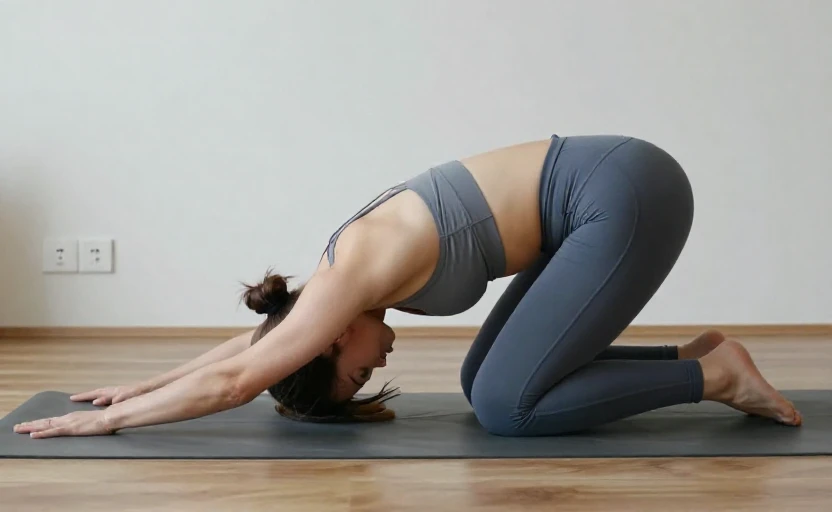
Learn the essential modifications. If your hamstrings are screaming in a forward fold, bend your knees generously. If your wrists ache in plank, drop to your forearms. Taking a child’s pose when you need it is a sign of a skilled practitioner, not a weak one. Your practice should leave you feeling replenished, not wrecked.
6. Inconsistent scheduling
A sporadic practice—90 minutes one Saturday, then nothing for two weeks—is less effective than shorter, more frequent sessions. Consistency builds muscle memory, neural pathways, and the habit itself. When practice is erratic, you perpetually feel like a beginner, relearning the basics each time.
It’s far more sustainable to commit to 15-20 minutes three times a week than a single marathon session. Mark it in your calendar as a non-negotiable appointment with yourself. Regularity, not duration, is the key to integration and progress.
7. Comparing your journey to others
This might be the most quietly derailing mistake of all. In a class or while watching an online video, it’s easy to fall into the trap of assessing your worth based on someone else’s flexibility or strength. This comparison steals joy and creates a narrative of "not being good enough."
Remember, every body has a unique history. That person effortlessly touching their toes may have been a gymnast; the one holding a strong arm balance may have shoulders built differently than yours. Your practice is yours alone. The only relevant question is: how do you feel compared to how you felt when you started? Celebrate the internal shifts—the deeper breath, the moment of calm, the slight increase in awareness—these are the true milestones.
Correcting these common errors isn’t about achieving perfection. It’s about removing the small obstacles that make practice feel like a chore. Approach your mat with curiosity instead of criticism, and prioritize kindness over accomplishment. When you do, you’ll find your yoga routine becoming not something you have to maintain, but something you genuinely look forward to—a steady, supportive part of your life that grows with you.