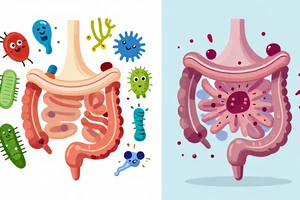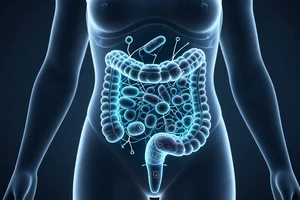
When we talk about gut health, the conversation usually zooms in on probiotics—the live bacteria we get from yogurt, kimchi, and kombucha. But probiotics need fuel to survive and thrive. That fuel comes from prebiotics, a type of fiber that feeds the good bacteria already living in your digestive tract. A strong gut lining depends on that relationship. Without enough prebiotics, the beneficial bacteria starve, and the intestinal barrier can become weaker, which may lead to inflammation and digestive discomfort.
Adding prebiotic foods to your plate doesn’t require a complicated plan. Many are common ingredients you can find at any grocery store. Below are six prebiotic foods that are specifically known to support a robust gut lining. They work by encouraging the growth of bacteria like Bifidobacteria and Lactobacillus, which in turn produce short-chain fatty acids (SCFAs) like butyrate—the primary energy source for the cells lining your colon.
1. Chicory Root
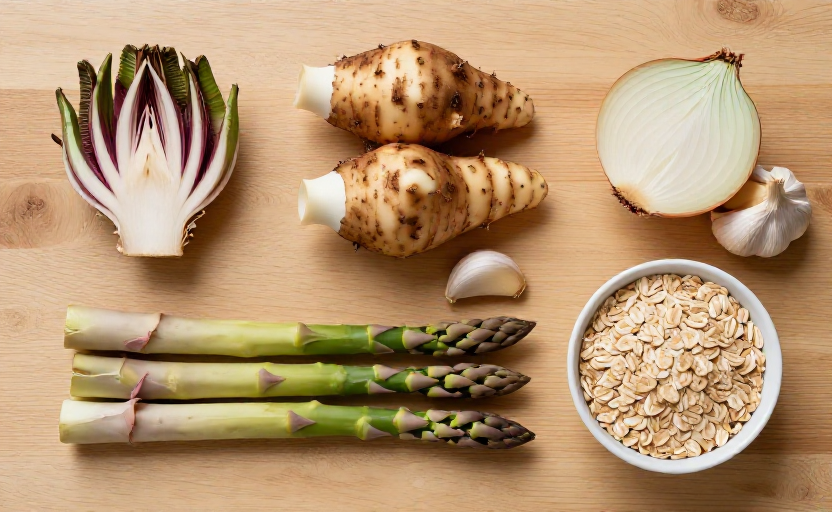
Chicory root is one of the richest sources of inulin, a soluble fiber that acts as a potent prebiotic. Inulin resists digestion in the upper gastrointestinal tract and reaches the colon intact, where it is fermented by friendly bacteria. This fermentation process stimulates the production of butyrate, which strengthens the tight junctions between intestinal cells. You can find chicory root in many commercial fiber supplements, but it’s also available as a roasted herbal tea that tastes surprisingly similar to coffee. If you are sensitive to FODMAPs, start with small amounts, as inulin can cause gas in some people.
2. Jerusalem Artichokes
Also known as sunchokes, Jerusalem artichokes are a knobby root vegetable packed with inulin and fructooligosaccharides (FOS). Research suggests that the prebiotic compounds in sunchokes can increase stool frequency and improve the composition of the gut microbiome. A healthier microbiome translates to less intestinal permeability—often called “leaky gut.” Try roasting them with olive oil and herbs, or slicing them raw into salads for a crunchy, nutty flavor.
3. Onions and Garlic
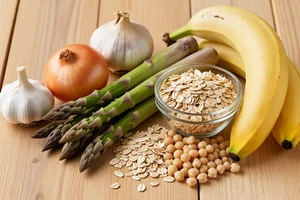
Onions and garlic do more than add depth to savory dishes. Both are loaded with inulin and FOS, along with antioxidant flavonoids like quercetin. The prebiotic fibers in onions have been shown to promote the growth of beneficial Bifidobacteria while suppressing potentially harmful bacteria. When garlic is crushed or chopped, it releases allicin, a sulfur compound that may also support gut barrier function. For maximum benefit, let chopped garlic sit for ten minutes before cooking to activate its compounds. Add raw onions to sandwiches or salads, or gently sauté them to preserve some of the prebiotic content.
4. Leeks
Leeks are a milder cousin of the onion and a dependable source of prebiotic fiber. They contain a significant amount of inulin, plus kaempferol, a flavonoid that has been studied for its ability to protect the intestinal lining from oxidative stress. Leeks are gentle enough to use in soups, broths, and stir-fries without overwhelming other flavors. Because their fiber is partly water-soluble, simmering leeks in broth can transfer some of the prebiotic compounds into the liquid, making the stock itself beneficial.
5. Asparagus
Asparagus is a spring vegetable that offers a double benefit: it’s high in prebiotic fiber (especially inulin) and also provides glutathione, a master antioxidant that helps reduce gut inflammation. A single cup of cooked asparagus delivers about 4 grams of fiber, much of which is fermentable by gut bacteria. The combination of fiber and antioxidants appears to support the mucosal layer that protects the lining of the intestines. Grill, roast, or steam asparagus, and drizzle with a little lemon juice to aid mineral absorption.
6. Oats
Oats stand out among grains for their high concentration of beta-glucan, a soluble fiber with prebiotic properties. Beta-glucan is fermented by gut bacteria into butyrate, the same SCFA that reinforces the gut barrier. Whole oats (not the instant, heavily processed kind) also contain resistant starch, which feeds beneficial bacteria further down the colon. A warm bowl of steel-cut or rolled oats served with berries and flaxseed makes for a gut-friendly breakfast. For individuals with celiac disease or gluten sensitivity, look for certified gluten-free oats to avoid triggering intestinal inflammation.
Consistency matters more than quantity. Aim to include one or two of these foods in your meals each day, rotating them for variety. Your gut bacteria thrive on diversity. Over time, the prebiotic fibers help maintain a resilient lining that keeps waste products in the colon and inflammatory molecules out. If you are new to high-fiber foods, increase your intake gradually and drink plenty of water to minimize bloating.