
Joint pain can make everyday movements feel like a chore. While there are many factors that contribute to discomfort and stiffness, what you eat plays a significant role. Certain foods can trigger inflammatory responses in the body, potentially exacerbating joint pain. By identifying and reducing these foods, you may find some natural relief without relying solely on medication.
Below are six common inflammatory foods that you might want to limit or avoid if you're looking to manage joint pain more effectively. Remember, making gradual changes and listening to your body can help you find a sustainable eating pattern that supports joint health.
1. Sugary Foods and Beverages
Added sugar is a major driver of inflammation. When you consume high amounts of sugar, your body releases cytokines, which are inflammatory messengers. Over time, this can worsen joint pain, especially for those with arthritis or other chronic inflammatory conditions.
Common sources include:
- Soda, sweet tea, and fruit drinks with added sugar
- Candy, cookies, and pastries
- Flavored yogurts and sugary breakfast cereals
- Ice cream and other desserts
Instead of reaching for sugary snacks, try satisfying your sweet tooth with fresh fruit or a small piece of dark chocolate. Over time, your taste buds will adjust, and you may find you crave less sugar.
2. Refined Carbohydrates
White bread, white rice, pasta, and many crackers have been stripped of their fiber and nutrients. These refined carbs have a high glycemic index, meaning they spike your blood sugar quickly. This spike triggers the release of advanced glycation end products (AGEs), which can promote inflammation and joint stiffness.
A simple swap is to choose whole-grain alternatives like brown rice, quinoa, or whole-wheat bread. These options provide more fiber, which helps stabilize blood sugar and reduce inflammatory responses.
3. Processed and Red Meats
Bacon, sausage, hot dogs, and deli meats are high in saturated fat and compounds called nitrites, both of which can increase inflammation. Red meats such as beef and lamb, especially when consumed in large quantities, may also contribute to joint discomfort because they contain arachidonic acid, which can be converted into inflammatory chemicals.
Consider replacing some of your meat-based meals with plant-based proteins like lentils, chickpeas, and beans, or with fatty fish rich in omega-3s, such as salmon, mackerel, and sardines. Omega-3 fatty acids have been shown to help reduce joint inflammation.
4. Highly Processed Vegetable Oils
Oils like soybean, corn, sunflower, and canola are often used in fried foods, packaged snacks, and salad dressings. They are high in omega-6 fatty acids, which can promote inflammation when not balanced with omega-3s. The typical Western diet already contains too many omega-6s and not enough omega-3s, skewing the body's inflammatory response.
Switch to healthier cooking fats such as olive oil, avocado oil, or coconut oil. Extra virgin olive oil contains oleocanthal, a compound that works similarly to anti-inflammatory medications.
5. Dairy Products (for Some People)
Not everyone is sensitive to dairy, but for some individuals, milk, cheese, and yogurt can trigger joint inflammation. This may be due to the type of protein in dairy (casein) or a lactose intolerance that leads to gut irritation, which then affects the joints.
If you suspect dairy is contributing to your joint pain, try eliminating it for two weeks and see if your symptoms improve. You can experiment with plant-based alternatives like almond milk, oat milk, or coconut yogurt.
6. Foods High in Salt and Preservatives
Excess sodium from processed foods, canned soups, fast food, and salty snacks can cause water retention and swelling, which may aggravate inflamed joints. Preservatives like monosodium glutamate (MSG) and artificial additives can also provoke inflammatory reactions in sensitive individuals.
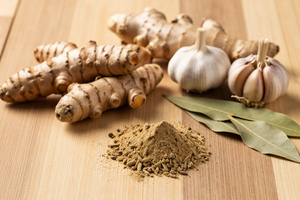
To reduce your salt intake, focus on cooking from scratch using fresh ingredients. Flavor your meals with herbs and spices like turmeric, ginger, and garlic, which are known for their anti-inflammatory properties.
Simple Tip: Start by swapping just one or two of these inflammatory foods each week. Even small dietary shifts can make a meaningful difference in how your joints feel over time.
Being mindful of these six inflammatory foods doesn't mean you have to follow a restrictive diet forever. It's about finding a balance that works for your body. Many people notice improvements in joint comfort and overall energy within a few weeks of cutting back on these common triggers.