
Iron is a cornerstone of energy, focus, and overall vitality, yet many people—especially women, athletes, and those on plant-based diets—struggle to maintain healthy levels. The challenge isn't always how much iron you eat, but how well your body absorbs it. Research and dietitians agree that pairing iron-rich foods with specific nutrients can dramatically improve uptake. Here are six foods to keep in your regular rotation for better iron absorption.
Red meat, poultry, and fish: The heme iron advantage
Animal sources like beef, lamb, chicken, turkey, and fish provide heme iron, a form your body absorbs far more efficiently than the non-heme iron found in plants. Even a modest 3-ounce serving of lean red meat or a piece of grilled salmon can supply a substantial portion of your daily needs. The key: heme iron is absorbed at a rate of roughly 15-35%, compared to just 2-20% for non-heme sources. For those who eat animal products, including a small portion of meat, poultry, or seafood in a meal can also boost the absorption of iron from accompanying vegetables or legumes—a phenomenon dietitians call the “meat factor.”
Tip: Cooking meat to medium or medium-rare (rather than well-done) helps preserve the highest iron content.
Leafy greens: Pair with vitamin C
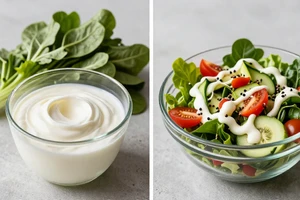
Spinach, kale, Swiss chard, and collard greens are rich in non-heme iron. However, they also contain oxalates, compounds that can hinder absorption. The solution is simple: add a source of vitamin C. A squeeze of fresh lemon juice over sautéed greens, a side of bell peppers, or a handful of strawberries in a spinach salad can triple or quadruple the iron your body takes in. Cooking the greens also reduces oxalate levels while making the iron more available.
Legumes and lentils: The plant-based powerhouse
Lentils, chickpeas, black beans, and kidney beans are iron-dense staples, especially for vegetarian and vegan diets. A single cup of cooked lentils provides about 37% of the daily value for iron. To maximize their benefit, avoid consuming them alongside calcium-rich foods (like dairy) in the same meal—calcium competes with iron for absorption. Instead, pair lentils with roasted red peppers, tomatoes, or a splash of citrus vinaigrette. Soaking and rinsing dried legumes before cooking also reduces phytic acid, another absorption blocker.
Pumpkin seeds and sesame
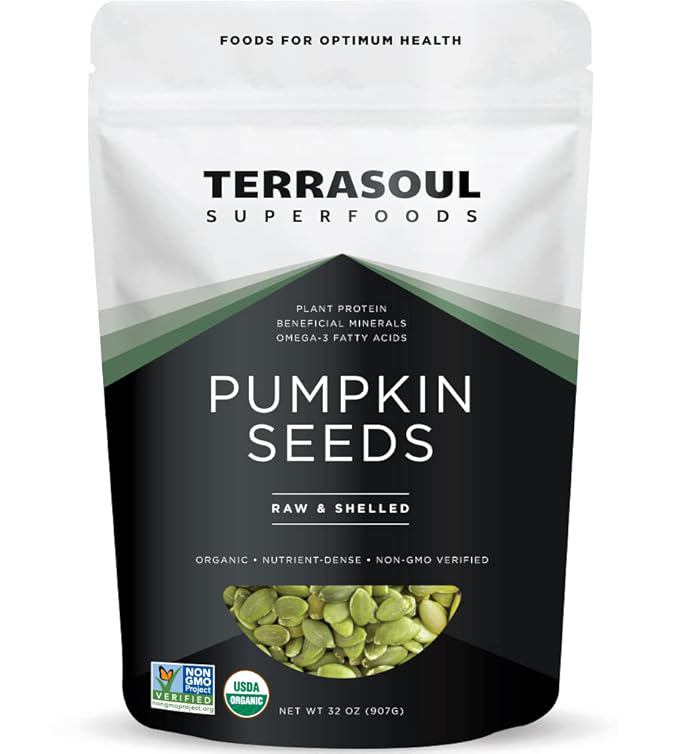
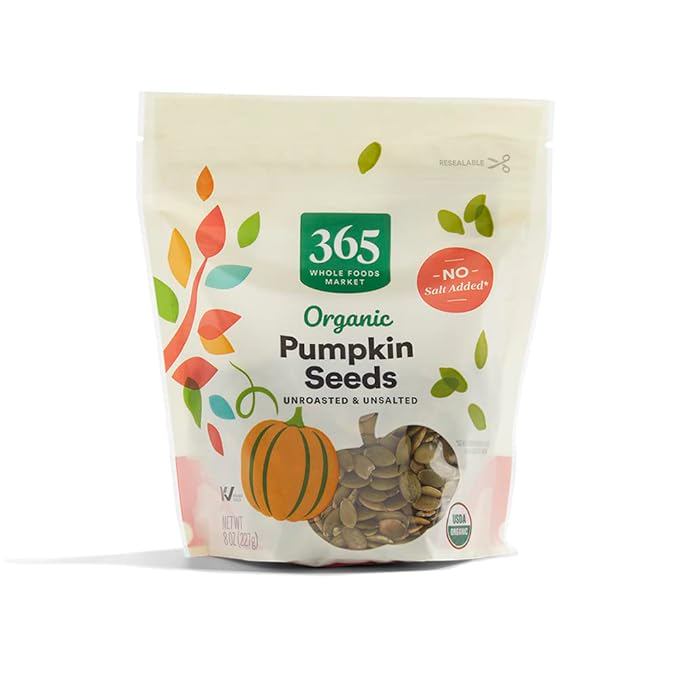
These small but mighty seeds are surprisingly high in iron. A quarter-cup of pumpkin seeds provides nearly 20% of the daily value, while a tablespoon of tahini (sesame paste) adds 1-2 mg of iron. They also contain copper and zinc, minerals that work synergistically in red blood cell production. Dietitians recommend sprinkling pumpkin seeds onto oatmeal, salads, or yogurt, and using tahini in dressings and sauces for an extra mineral lift.
Quinoa and amaranth: Ancient grains with a mineral punch
Unlike refined grains, quinoa and amaranth are naturally rich in iron, magnesium, and fiber. One cup of cooked quinoa offers about 15% of the daily value for iron. Because they are also high in protein and contain all nine essential amino acids, they make an excellent base for a meal that supports both muscle function and oxygenation. To boost absorption, cook them in a small amount of broth instead of water and top with chopped parsley or a squeeze of lime.
Dried fruit: A concentrated, portable option
Raisins, dried apricots, prunes, and figs deliver iron in a compact, shelf-stable form. A half-cup of dried apricots has about 2.5 mg of iron, plus beta-carotene and fiber. Because dried fruit is also high in natural sugars, dietitians suggest using it as a pre- or post-workout snack or mixing it into oatmeal and trail mixes. Pair it with a handful of almonds or walnuts (which contain vitamin E and healthy fats) to round out a blood-supporting snack.
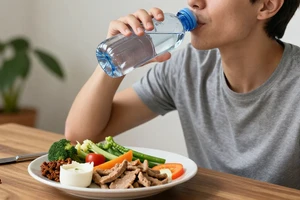
Iron absorption is not solely about what you eat—it's also about what you avoid. Tannins in coffee and tea can reduce iron absorption by up to 60% if consumed with a meal. Similarly, calcium supplements and dairy products can interfere. For best results, drink coffee or tea between meals rather than with them, and wait at least one hour after a high-iron meal before taking a calcium supplement. If you suspect low iron (symptoms include fatigue, pale skin, brittle nails, and shortness of breath), have your levels tested by a healthcare provider rather than self-treating with high-dose supplements, as too much iron can be toxic.