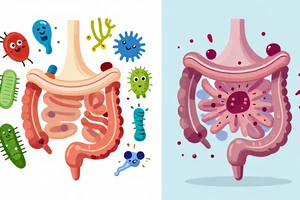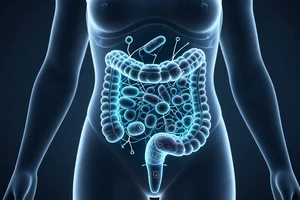

Your gut microbiome is a complex ecosystem of trillions of bacteria that influence everything from digestion and immunity to mood and energy levels. While probiotics and fermented foods often steal the spotlight in gut health conversations, the foods that quietly undermine this delicate balance deserve just as much attention.
The reality is that certain everyday staples can alter the diversity and function of your gut bacteria, often within hours of consumption. This doesn't mean you need to follow a rigid, restrictive diet. Instead, understanding which foods tend to tip the scales in favor of less beneficial bacteria allows you to make informed swaps that support your microbiome without sacrificing enjoyment. Below are six common dietary disruptors and practical alternatives to keep your gut ecosystem thriving.
1. Artificial Sweeteners (Beyond the Pink and Blue Packets)
Many people switch to sugar-free products thinking they are doing their health a favor. However, artificial sweeteners such as saccharin, sucralose, and aspartame have been shown in research to negatively alter the composition of the gut microbiome. These non-nutritive compounds can reduce beneficial bacterial populations and promote glucose intolerance in some individuals, possibly by changing how gut bacteria interact with the body's metabolic pathways.
Healthier swap: If you crave sweetness without the blood sugar spike, consider small amounts of stevia or monk fruit extract, which appear to have less impact on gut bacteria. For cooking and baking, use minimal amounts of raw honey or pure maple syrup, keeping in mind that these are still sugars and should be used sparingly.
2. Highly Processed Seed and Vegetable Oils
Industrial seed oils—such as soybean, corn, sunflower, and canola oil—are omnipresent in packaged foods, salad dressings, and restaurant cooking. These oils are rich in omega-6 fatty acids, which in excess can promote inflammation. A high ratio of omega-6 to omega-3 fats may also negatively influence the gut lining and bacterial diversity, creating an environment where opportunistic bacteria can overgrow.
Healthier swap: Choose oils that are more stable and richer in monounsaturated or omega-3 fats. Extra-virgin olive oil, avocado oil, and coconut oil are excellent choices for cooking and finishing dishes. Their beneficial polyphenols can also serve as prebiotics, feeding good bacteria rather than harming them.
3. Red and Processed Meats (Especially When Grilled or Cured)
While meat can be part of a healthy diet, excessive consumption of red meat (beef, lamb, pork) and processed meats (bacon, sausage, deli meats) has been linked to shifts in the gut microbiome that favor pro-inflammatory bacteria. Compounds like TMAO (trimethylamine N-oxide), which is produced when gut bacteria digest carnitine and choline found in red meat, have been associated with an increased risk of cardiovascular issues. Cooking methods that involve high heat (grilling, charring) also produce heterocyclic amines that can stress the gut lining.
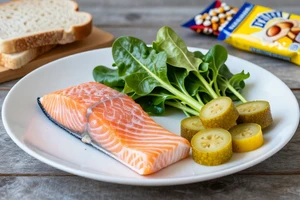
Healthier swap: Aim to treat red meat as an occasional option rather than a daily centerpiece. Replace it with plant-based proteins such as lentils, chickpeas, and beans; fatty fish like salmon or sardines for omega-3s; or poultry in moderate amounts. If you do eat red meat, pair it with plenty of fiber-rich vegetables, which help buffer some of the negative effects.
Small, consistent swaps matter more than a perfect diet. Each time you choose a diverse plant food over a processed option, you are feeding a different community of microbes.
4. High-Fructose Corn Syrup and Added Sugars
Refined sugars, particularly high-fructose corn syrup found in sodas, sweetened yogurts, cereals, and sauces, provide a rapid fuel source for less desirable bacteria and yeast in the gut. Over time, a diet high in added sugars can reduce microbial diversity, increase intestinal permeability (often called 'leaky gut'), and contribute to cravings that perpetuate the cycle. The problem isn't just the amount of sugar but its concentration and lack of accompanying fiber.
Healthier swap: Satisfy a sweet tooth with whole fruit, which provides sugar in a matrix of fiber, water, and polyphenols that slow absorption and feed good bacteria. For beverages, try sparkling water with a splash of fruit juice or a few slices of fresh citrus. Dark chocolate (at least 70% cocoa) can also be a smart choice for a sweet treat with gut-friendly antioxidant compounds.
5. Gluten-Containing Grains in an Otherwise Low-Fiber Diet
For people with celiac disease or non-celiac gluten sensitivity, gluten is a direct inflammatory trigger. But even for those without a diagnosed issue, the problem is often the type of gluten-containing foods consumed. Most processed wheat products (white bread, pasta, pastries) are made from refined flour, which is stripped of fiber and acts more like sugar in the gut. This can feed pathogenic bacteria while starving the beneficial species that rely on complex carbohydrates.
Healthier swap: Choose whole forms of gluten-containing grains when you tolerate them—such as whole wheat berries, farro, and sourdough bread made from fermented dough (which breaks down some gluten). Or explore naturally gluten-free whole grains like quinoa, buckwheat, brown rice, millet, and oats (certified gluten-free if needed). The key is prioritizing intact, high-fiber grains over refined ones.
6. Emulsifiers and Thickeners in Processed Foods
Additives like carboxymethylcellulose, polysorbate 80, carrageenan, and guar gum are used to improve texture and shelf life in everything from ice cream and plant milks to salad dressings and protein bars. Emerging research suggests that these emulsifiers can directly disrupt the mucus layer that protects the gut lining, allowing bacteria to get too close to intestinal cells. This may trigger low-grade inflammation and alter bacterial composition, even if the food itself seems relatively healthy.
Healthier swap: When buying packaged foods, scan ingredient lists for emulsifiers and choose products that use simpler, whole-food stabilizers (like coconut cream or lecithin). Making your own salad dressings with olive oil, vinegar, and mustard is quick and avoids the additives found in many bottled versions. Prioritize whole or minimally processed foods whenever possible—your gut bacteria don't have a label to read.
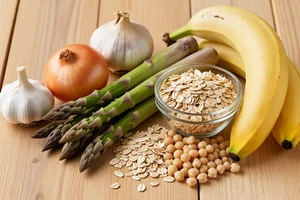
Rebalancing your gut bacteria isn't about eliminating entire food groups or chasing perfection. It's about shifting the overall pattern of your diet toward diverse plant foods, healthy fats, and minimal additives. Each swap you make sends a signal to your microbiome, gradually encouraging the growth of bacteria that support your health rather than undermine it.