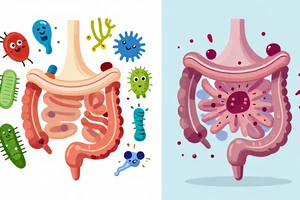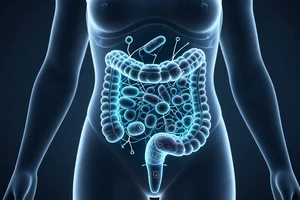
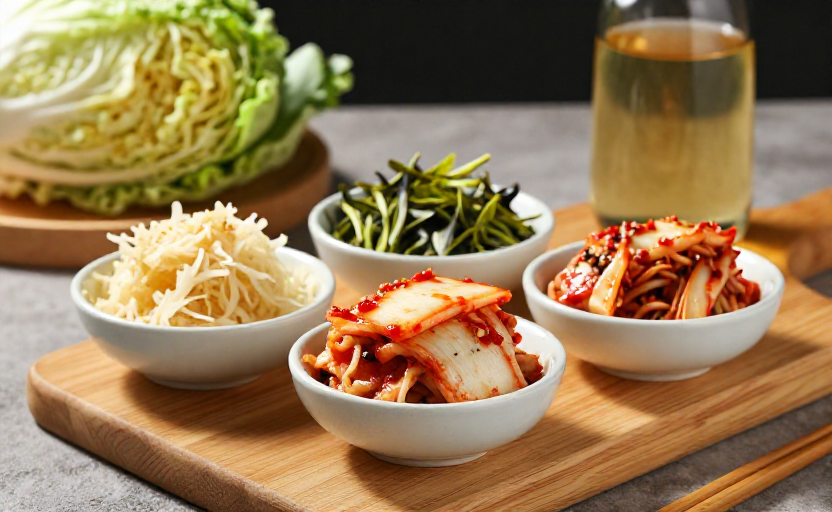
Your gut is home to trillions of bacteria, and keeping the beneficial ones happy and abundant is one of the smartest things you can do for your overall health. While probiotic supplements have their place, food is the original — and often more effective — delivery system. Fermented foods are the real stars here. They’re not just trendy; they are traditional staples that have been nourishing human microbiomes for centuries.
If you’re looking to increase your intake of live, active cultures without relying on a pill, here are six fermented foods that deserve a regular spot in your kitchen.
1. Sauerkraut: The Humble Cabbage That Packs a Punch
Made from finely shredded cabbage that has been fermented by lactic acid bacteria, sauerkraut is a straightforward and affordable probiotic powerhouse. The key is to look for unpasteurized or refrigerated varieties in the grocery store, because pasteurization kills the live bacteria that make sauerkraut beneficial. A two-tablespoon serving can introduce millions of colony-forming units (CFUs) into your digestive system, helping to support a balanced gut environment.
This fermented cabbage is also rich in fiber, vitamins C and K, and iron. The fermentation process actually increases the bioavailability of these nutrients, meaning your body can absorb them more easily than from raw cabbage. For a quick probiotic boost, toss a forkful into a salad, pile it on a sandwich, or serve it alongside roasted meats or potatoes.
How to Choose the Right Sauerkraut
Always check the label. You want sauerkraut that contains only cabbage, salt, and water — not vinegar or preservatives. Vinegar-based products are pickled, not fermented, and won’t provide the same probiotic benefits. Also, steer clear of heat-processed jars on the shelf; stick with the refrigerated section for the real deal.
2. Kimchi: A Spicy, Probiotic-Rich Korean Staple
Think of kimchi as sauerkraut’s bolder, more complex cousin. This Korean side dish is typically made from napa cabbage, daikon radish, and a mix of seasonings including gochugaru (chili powder), garlic, ginger, and fish sauce. The result is a crunchy, pungent, and deeply flavorful food that delivers a hefty dose of Lactobacillus bacteria — the same strain found in many probiotic supplements.
Beyond its probiotic content, kimchi contains antioxidants and compounds that may help lower cholesterol and reduce inflammation. It’s incredibly versatile: eat it straight out of the jar, stir it into fried rice, add it to soups or stews, or use it as a zesty topper for avocado toast. If you’re heat-sensitive, start with a mild batch and build up your tolerance.
3. Kombucha: The Fizzy Fermented Tea
Kombucha is a fermented black or green tea that has become a fixture in refrigerated beverage aisles everywhere. It’s made by adding a symbiotic culture of bacteria and yeast (known as a SCOBY) to sweetened tea, which then ferments for a week or more. The result is a slightly effervescent, tangy drink that contains a variety of beneficial bacteria and organic acids.
A standard serving of kombucha can provide between 5 and 10 billion CFUs, though this varies by brand. Look for bottles that say “raw” and “unpasteurized” to ensure the probiotics are still alive. Keep in mind that kombucha does contain trace amounts of alcohol (usually less than 0.5%) as a natural byproduct of fermentation, as well as some sugar—usually around 4 to 8 grams per serving. If you’re watching your sugar intake, check the label and stick to plain or low-sugar varieties.
4. Tempeh: A Fermented Soy Protein Powerhouse
Tempeh is often overlooked in the probiotic conversation, but it’s a standout for anyone looking to combine gut health with a solid protein source. Made from fermented soybeans that are pressed into a firm, nutty-tasting cake, tempeh is packed with protein, fiber, and a range of B vitamins. The fermentation process breaks down the soybeans, making their nutrients more digestible and reducing compounds that can cause bloating.
Unlike many fermented foods that are eaten in small amounts, tempeh can serve as the main protein in a meal. Slice it thin and pan-fry it until golden, crumble it into chili or pasta sauces, or marinate and grill it like a steak. It’s also a fantastic source of prebiotic fiber, which feeds the good bacteria you’re already cultivating.
5. Miso: A Versatile Fermented Soybean Paste
Miso is a thick, savory paste made by fermenting soybeans with salt and a specific mold called Aspergillus oryzae. It’s a cornerstone of Japanese cooking and a simple way to add both flavor and probiotics to your day. The fermentation process can last anywhere from a few weeks to several years, which affects both the taste and the live bacterial content.
The most common types are white (mellow and sweet), yellow (mild), and red (deep and salty). To preserve the live cultures, dissolve miso into hot — but not boiling — water or broth. Boiling will kill the beneficial bacteria. A classic miso soup is the easiest entry point, but you can also whisk miso into salad dressings, marinades, glazes for roasted vegetables, or even into creamy sauces for pasta.
A Note on Sodium
Miso is high in salt, which is necessary for the fermentation process. If you are managing blood pressure or following a low-sodium diet, use it sparingly and choose lighter miso varieties, which tend to have lower sodium content.
6. Kefir: A Drinkable Fermented Milk
If yogurt had a more potent, tangier cousin, it would be kefir. This fermented milk beverage is made by incubating milk with kefir grains — complex cultures of bacteria and yeasts that form gelatinous, cauliflower-like clusters. The result is a thin, drinkable liquid that contains a wider diversity of beneficial bacteria than yogurt, including Lactobacillus, Bifidobacterium, and several yeast strains.
Kefir is especially rich in probiotics, often delivering between 10 and 30 billion CFUs per cup depending on the brand. It’s also a good source of calcium, protein, and vitamin D. If you’re lactose intolerant, you may still tolerate kefir well because the fermentation process breaks down most of the lactose. Drink it straight, blend it into smoothies, or use it as a base for overnight oats. Plain, unsweetened kefir is your best bet — fruit-sweetened versions can be loaded with added sugar.
Quick tip: If you’re new to kefir, start with a few tablespoons per day and gradually increase. The high concentration of probiotics can cause temporary gas or bloating in some people.
Incorporating these fermented foods into your regular diet doesn’t require a complete kitchen overhaul. Start with one that appeals to your taste buds — maybe a spoonful of sauerkraut at dinner or a small glass of kefir at breakfast — and build from there. Your gut microbiome will thank you, and you may notice improvements in digestion, energy, and even mood as your internal ecosystem becomes more balanced.