You can eat the most nutrient-dense meal on the planet—kale, salmon, sweet potatoes, the works—but if your body doesn't absorb those vitamins and minerals, you're not getting the full benefit. Many of us assume that simply eating well is enough, but a handful of common dietary habits can quietly prevent your digestive system from extracting what it needs.
Below are six mistakes that can lower nutrient absorption, along with practical ways to get more out of every bite.
1. Skimping on healthy fats when eating vegetables
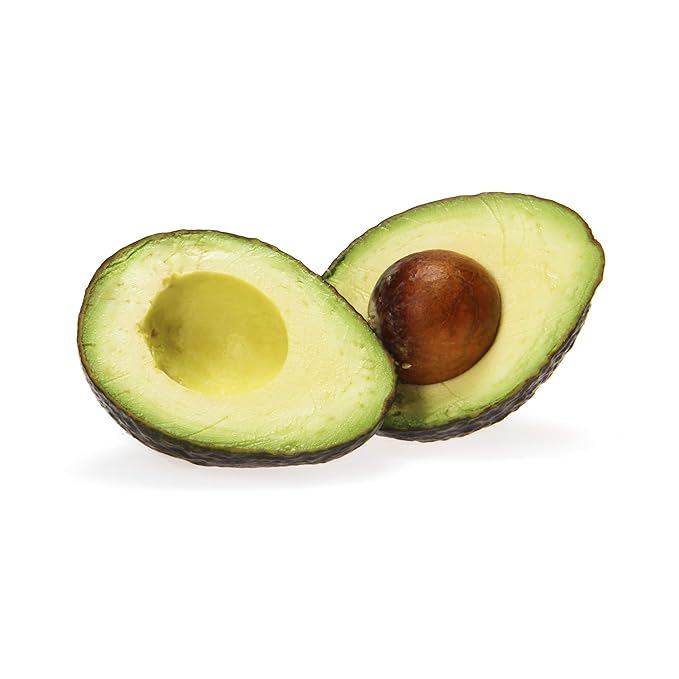
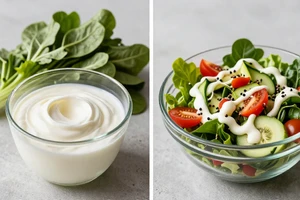
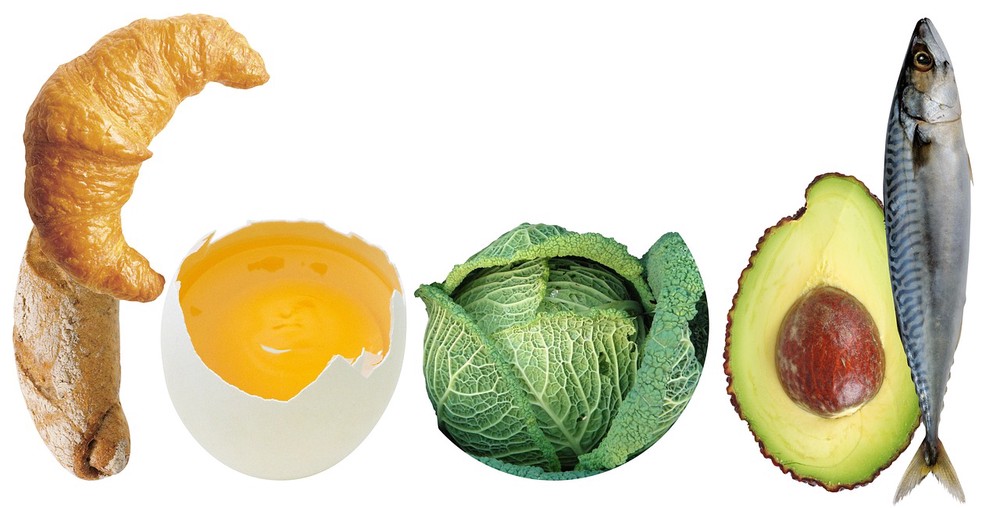
Vitamins A, D, E, and K are fat-soluble, meaning they need dietary fat to be absorbed. If you eat a big salad with fat-free dressing or steam broccoli with no oil or butter, you may be missing the chance to absorb those nutrients. Research from the Nurses' Health Study found no link between overall fat intake and weight gain—what matters is the type of fat. Add a few slices of avocado, a drizzle of olive oil, or a handful of almonds to your veggies to boost absorption significantly.
2. Drinking tea or coffee with meals
A warm cup of tea or coffee alongside breakfast or lunch seems harmless, but both contain compounds called tannins and polyphenols that can bind to non-heme iron (the kind found in plants) and reduce its absorption by up to 80%. The same goes for the calcium in milk if you add it to your coffee. To protect iron levels—especially if you're vegetarian or prone to anemia—wait at least an hour after eating before drinking tea or coffee.
3. Overloading on calcium when eating iron-rich foods
Calcium and iron compete for absorption in the small intestine. If you take a calcium supplement with a steak or eat a bowl of fortified cereal with a glass of milk, the calcium can block some of the iron from being absorbed. This doesn't mean you should avoid calcium, but it's wise to separate high-calcium foods or supplements from iron-rich meals by a couple of hours. For example, have your calcium-rich yogurt as a mid-morning snack rather than right after a spinach-and-bean chili.
4. Soaking and cooking away water-soluble vitamins
Vitamin C and many B vitamins are water-soluble and sensitive to heat and water. Boiling vegetables can leach these nutrients into the cooking water, which is often poured down the drain. Steaming, roasting, or stir-frying for shorter times helps retain more vitamins. If you do boil vegetables, consider using the leftover cooking liquid as a base for soups or sauces so you don't lose those nutrients.
5. Eating raw spinach without addressing oxalates
Spinach, Swiss chard, and beet greens are packed with nutrients, but they also contain oxalates, natural compounds that bind to calcium and iron in the digestive tract, making them less available for absorption. Cooking spinach—even briefly—drastically reduces oxalate content. Pairing it with a source of vitamin C, like lemon juice or bell peppers, can also counteract some of oxalate's effects and improve iron absorption.
6. Relying on supplements instead of whole foods for zinc and magnesium
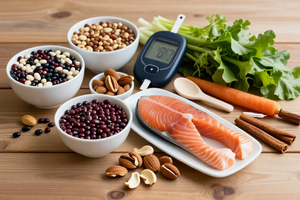
While supplements have their place, the body often absorbs minerals like zinc and magnesium more efficiently from food sources. Phytates found in whole grains, nuts, and legumes can bind to these minerals, reducing absorption. However, the trick is to prepare those foods properly: soaking beans overnight, sourdough fermentation, or sprouting grains reduces phytate content and improves mineral availability. A supplement taken on an empty stomach may bypass this issue, but whole foods offer a matrix of cofactors that enhance overall utilization.
Bottom line: How you prepare and combine foods matters as much as what you eat. Small shifts—adding fat to salads, timing your tea, and cooking greens—can help you absorb more of the nutrients you're already paying for.
Making these adjustments doesn't require a complete diet overhaul. Start with one change this week, and you may notice a real difference in your energy, digestion, and overall well-being.