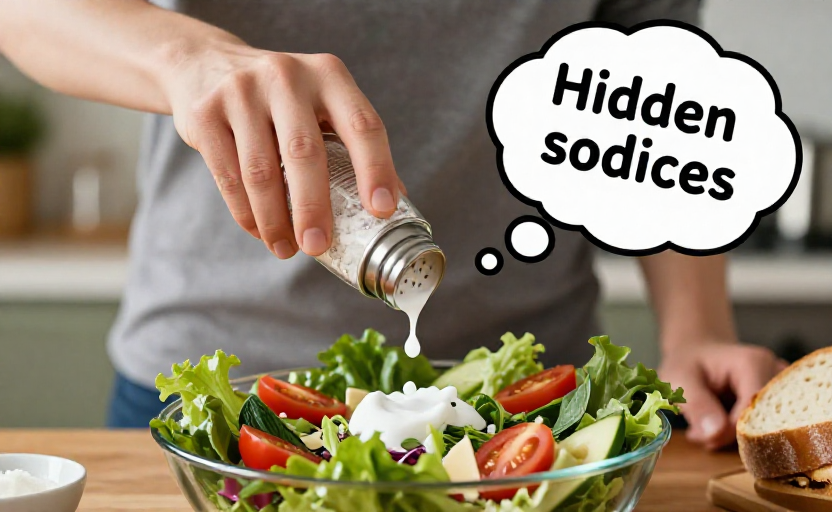
You watch your calories, you skip the sugar, you load up on vegetables—and yet the number on the scale barely budges. Or maybe you feel bloated, puffy, and just off, despite eating what seems like a clean diet. The culprit might not be fat or carbs. It might be the white crystal you never think about: sodium.
But here’s the twist: everything you think you know about salt might be wrong. Let’s bust six common sodium myths that could be quietly undermining your healthy eating plan.
Myth #1: If you don't use the salt shaker, you're low on sodium
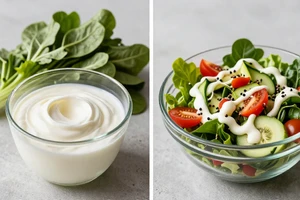
This is the biggest trap. Most of the sodium in the American diet doesn’t come from home cooking. It comes from packaged, prepared, and restaurant foods. A single slice of bread can have around 150 milligrams of sodium. A cup of canned soup can pack over 800 milligrams. Even foods that taste sweet—like certain breakfast cereals, salad dressings, and baked goods—can be deceptively high in salt. You can have a “no added salt” rule at home and still blow past the recommended 2,300 milligrams per day without even realizing it.
Myth #2: Sea salt, pink salt, and gourmet salts are healthier
There’s a lot of marketing around unrefined salts, and they do contain trace minerals like magnesium, potassium, and calcium. But the difference is negligible. A gram of sea salt and a gram of table salt both contain roughly the same amount of sodium by weight. Himalayan pink salt might look pretty in the grinder, but it won’t save you from the effects of high sodium intake. The real issue isn’t the source of the salt—it’s the total amount you consume.
Bottom line: The mineral content in fancy salts is too small to make a meaningful health difference, so treat them as flavoring, not health food.
Myth #3: You need salt for energy and hydration, so more is better
Yes, sodium is an essential electrolyte. It helps regulate fluid balance, nerve signals, and muscle contractions. But the average diet provides far more than the body needs. For most people, the body’s sodium requirement is easily met without any added salt because whole foods contain natural sodium, and nearly all processed foods are fortified with it. Unless you are an elite athlete sweating for hours in extreme heat, you don’t need to worry about “replenishing” salt after a workout. For the general population, excess sodium contributes to water retention, increased blood pressure, and added strain on the heart.
Myth #4: Low-sodium diets are bland and boring
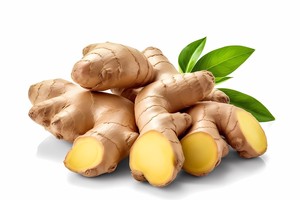
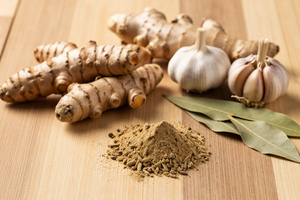
This myth keeps people stuck in high-salt eating patterns. The truth is that cutting sodium forces your palate to become more sensitive to other flavors—herbs, spices, citrus, garlic, ginger, vinegar, and umami-rich ingredients like tomatoes or mushrooms. Within two to three weeks of reducing added salt, most people report that food tastes more vibrant, not less. A low-sodium diet doesn't mean a flavorless diet; it means rediscovering the natural taste of real food. Experiment with smoked paprika, nutritional yeast, fresh rosemary, or a splash of lime juice to bring dishes to life.
Myth #5: Thirst means you’re dehydrated, so you should drink more—not worry about salt
Thirst is a sign that your body’s fluid balance is off, and sometimes that imbalance is caused by too much sodium, not too little. When you eat a high-salt meal, your body holds onto water to dilute the excess sodium in your bloodstream, which can make you feel thirsty. Drinking more water helps flush out the sodium, but it’s a temporary fix. The long-term solution is to address the salt content of your diet—not just to chase your thirst with another glass of water. If you are constantly thirsty and your urine is dark, check your sodium intake before assuming you need more fluids.
Myth #6: As long as your blood pressure is normal, sodium isn't a problem
Blood pressure is only one marker. Excess sodium can affect your kidneys, your bone density (by increasing calcium excretion), and your overall fluid balance, even if your blood pressure numbers look fine. Some people are “salt-sensitive” and experience a direct rise in blood pressure with high sodium intake. Others may be less sensitive, but that doesn’t mean their bodies are immune to the other effects. Chronic high sodium intake is linked to an increased risk of stomach cancer, kidney stones, and osteoporosis, regardless of your current blood pressure reading. Protecting your health means looking beyond a single number.
Now that the myths are cleared up, here’s the one-sentence summary: the real problem isn’t the salt you add at the table—it’s the sodium hiding in the foods you buy ready-made. Start reading labels. Focus on whole, single-ingredient foods. And don’t be afraid to flavor your meals with everything except the salt shaker.