You're doing all the "right" things—meal prepping on Sundays, choosing grilled chicken over fried, and making sure every plate has a hefty portion of protein. Yet the scale hasn't budged, your energy feels flat, and you're still hungry an hour after eating. What gives?
Chances are, a few well-intentioned protein habits are quietly working against you. Protein is a powerhouse nutrient—it helps build muscle, keeps you full, and supports a healthy metabolism—but how you eat it matters just as much as how much you eat. Here are six common protein mistakes that could be sabotaging your healthy eating goals, and what to do instead.
1. Loading Up on Protein at Dinner—and Skipping It at Breakfast
Many of us save the biggest protein punch for the evening meal: a chicken breast, a steak, a fillet of fish. Meanwhile, breakfast might be a bowl of cereal or just coffee, and lunch is a sad desk salad with a few chickpeas tossed on top. That distribution doesn't do your body any favors.
Your muscles can only use so much protein at once for repair and synthesis. Spreading your intake evenly across meals helps maintain steady blood sugar, curbs cravings, and keeps your metabolism humming. Aim for 20–30 grams of protein at each meal—that's about 3–4 ounces of cooked chicken, a cup of Greek yogurt, or a scoop of protein powder in a smoothie. A morning eggs-and-spinach scramble or a tofu scramble can set a better tone for the day than a carb-heavy breakfast.
2. Relying on Protein Bars and Shakes as Your Main Source
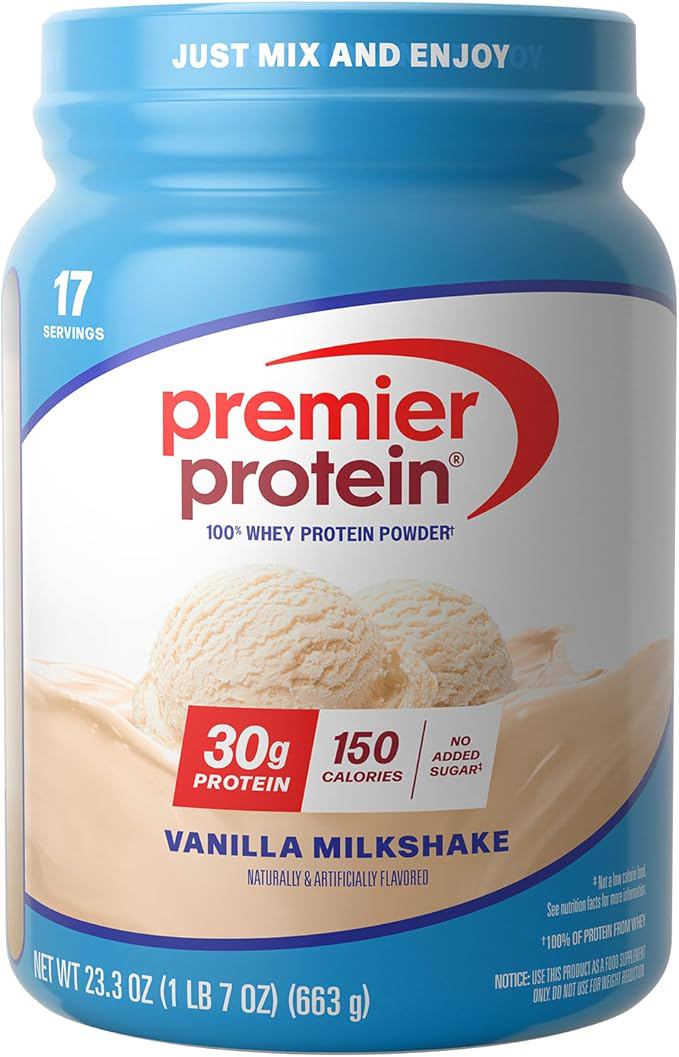
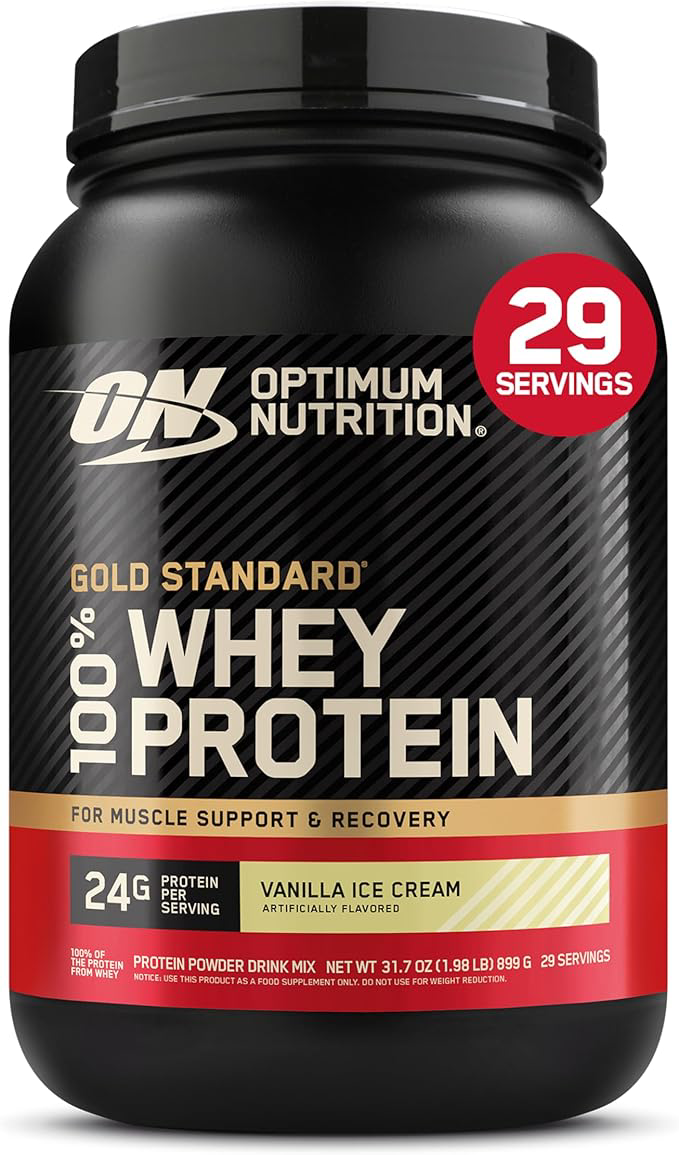
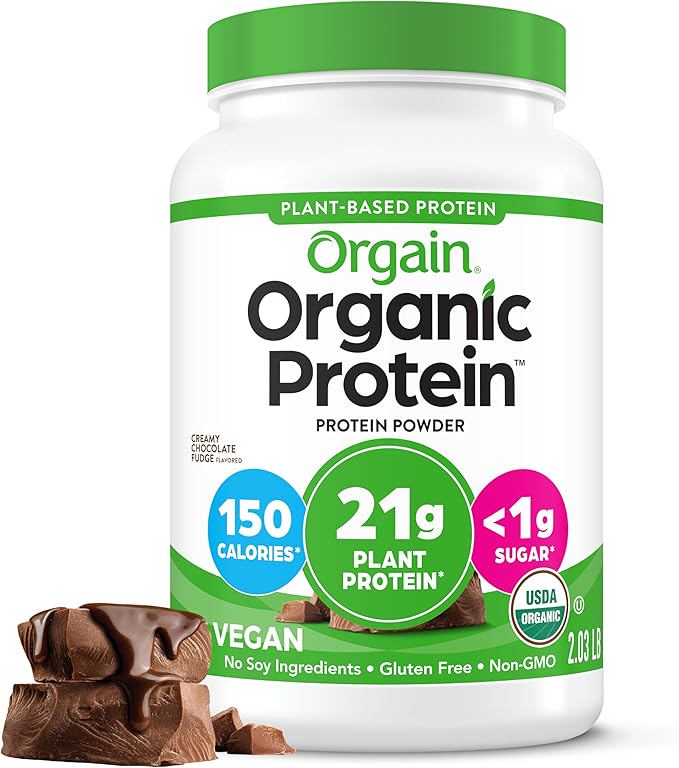
Protein bars and shakes are convenient—there's no arguing that. But if they're the foundation of your protein intake, you might be missing out on the full spectrum of nutrients that whole foods provide. Many bars are essentially candy bars in disguise, packed with added sugars, artificial sweeteners, and processed ingredients that can trigger inflammation and blood sugar spikes.
Whole-food protein sources—like eggs, fish, poultry, legumes, nuts, seeds, and dairy—come with fiber, healthy fats, vitamins, and minerals that supplements can't replicate. Use bars and shakes for what they are: occasional backups for travel or post-workout windows when you can't eat a real meal. Not daily staples.
3. Choosing Only Lean, Skinless, Dry Protein
Fat is not the enemy, but many of us treat it like one. In pursuit of "clean" eating, we gravitate toward skinless chicken breasts, egg whites only, nonfat Greek yogurt, and ultra-lean ground turkey. The result? A meal that's dry, unsatisfying, and lacking the satiety that comes from a little fat.
Healthy fats found in salmon, avocado, nuts, seeds, olive oil, and even the yolk of an egg support hormone production, vitamin absorption, and brain health. They also make a protein-rich meal taste good—which means you're more likely to stick with it long-term. Next time you cook chicken, leave the skin on. Drizzle salmon with olive oil and herbs. A little fat helps you feel full and nourished.
4. Thinking More Protein Is Always Better
There's a pervasive myth that more protein equals more muscle and faster results. In reality, excess protein—especially from animal sources—can strain the kidneys over time and crowd out other essential nutrients like carbohydrates (for energy) and fiber (for digestion). Your body can only use a certain amount for muscle repair; the rest gets stored as fat or excreted.
Most active adults need around 0.7–1.0 grams of protein per pound of body weight, depending on activity level. For a 150-pound person, that's about 105–150 grams per day. Going far above that—say, 200+ grams—provides no extra benefit and may cause digestive upset or unwanted weight gain. Listen to your body's cues, not the latest gym influencer.
5. Ignoring Plant-Based Protein Options
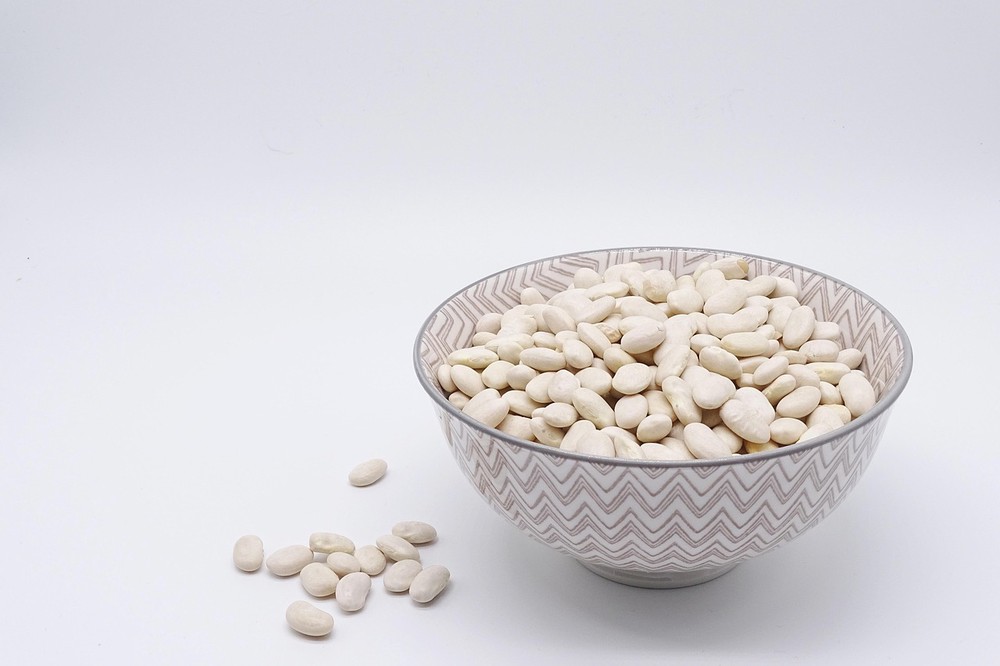
You don't need to go vegan, but relying solely on animal protein misses an opportunity to diversify your nutrient intake and reduce inflammation. Beans, lentils, chickpeas, quinoa, tempeh, edamame, and hemp seeds are rich in fiber, antioxidants, and phytonutrients that animal foods lack. Fiber, in particular, supports gut health and helps regulate blood sugar—two big players in long-term weight management and disease prevention.
Start by swapping one animal-protein meal per week for a plant-based one. A lentil soup, black bean tacos, or a quinoa bowl with roasted vegetables and tahini dressing can be just as satisfying—and your microbiome will thank you.
6. Forgetting That Cooking Method Matters
You can buy the highest-quality salmon or pasture-raised eggs, but if you deep-fry the salmon in vegetable oil or cook the eggs in margarine, you've undone much of the benefit. High-heat cooking methods (frying, charbroiling, grilling until well-done) can create advanced glycation end products (AGEs) and other compounds that promote inflammation.
Gentle cooking methods—poaching, steaming, baking at moderate heat, or using healthy fats like avocado oil or ghee—preserve the nutrients in your protein and keep the anti-inflammatory profile intact. Even a quick pan-sear in coconut oil with a lid on can be better than a prolonged high-heat fry. Think about how you cook, not just what you cook.
Small shift, big impact: Protein done right supports steady energy, better muscle repair, and a satisfied appetite. Done wrong, it can stall progress and leave you frustrated.