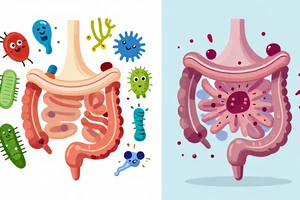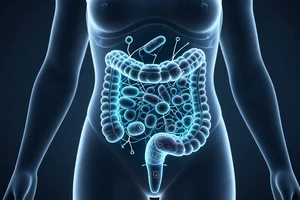
Your gut is a living ecosystem, home to trillions of microorganisms that play a starring role in your overall health. When this community is balanced, it supports digestion, immunity, and even mood. But when that balance is disrupted—a state often called dysbiosis—it can lead to a cascade of uncomfortable symptoms like bloating, irregular bowel movements, fatigue, and brain fog. The good news is that this imbalance often stems from identifiable, everyday factors, many of which are within your control to adjust.
Let's explore some of the most common disruptors of your gut's delicate harmony and, more importantly, the gentle, practical steps you can take to help restore it.
What Throws Your Gut Flora Off Balance?
Our modern lifestyles, while convenient, can be surprisingly harsh on our internal microbial residents. The imbalance doesn't usually happen from one single misstep, but from a pattern of choices that, over time, shift the population away from beneficial bacteria and toward less helpful or even harmful ones.
A Diet Low in Fiber and High in Processed Foods
Think of your beneficial gut bacteria as tiny, hungry pets living inside you. Their preferred food is prebiotic fiber—the indigestible parts of plant foods that travel to your colon where they feast. A diet consistently high in ultra-processed foods, refined sugars, and unhealthy fats, while low in fruits, vegetables, legumes, and whole grains, essentially starves these good microbes.
Without enough fiber to feed on, beneficial bacteria populations can dwindle, allowing other types to overgrow.
This shift can increase inflammation and compromise the integrity of your gut lining.
Overuse of Certain Medications
While sometimes necessary, antibiotics are a broad-spectrum intervention. Their job is to kill bacteria causing an infection, but they don't discriminate, often wiping out swaths of beneficial gut flora in the process. Other medications, like frequent use of non-steroidal anti-inflammatory drugs (NSAIDs) or proton pump inhibitors (for acid reflux), can also irritate the gut lining or alter its environment, making it harder for good bacteria to thrive.
Chronic, Unmanaged Stress
The gut-brain connection is a powerful two-way street. When you're under prolonged stress, your body releases hormones like cortisol, which can directly affect your gut. It can slow digestion, alter gut motility, and change the composition of your microbiota. Essentially, a stressed mind often leads to a stressed—and imbalanced—gut.
Lack of Consistent, Quality Sleep
Your gut microbes have their own circadian rhythms. Disrupting your sleep schedule or consistently getting poor sleep can throw these rhythms out of sync. Research suggests that shift work and irregular sleep patterns are linked to less diverse gut bacteria, which is a key marker of gut health.
Excessive Alcohol Consumption
Alcohol, especially in large amounts, can be directly toxic to the cells of your gut lining and can promote the growth of inflammatory bacteria. It can increase intestinal permeability (sometimes called "leaky gut"), allowing substances to pass into the bloodstream that normally wouldn't, triggering immune responses and systemic inflammation.
Insufficient Physical Activity or Extreme Exercise
There's a sweet spot. Moderate, regular movement is associated with greater microbial diversity. However, a completely sedentary lifestyle may reduce this beneficial diversity. On the opposite end, extreme, prolonged endurance exercise without adequate recovery can also increase gut permeability and stress the system, potentially leading to imbalance.
Practical Ways to Nurture Your Gut Back to Balance
Addressing a gut imbalance is less about a drastic overhaul and more about making consistent, supportive choices that allow your microbiome to recover. Patience is key, as changes can take weeks or months.
Gradually Increase Your Fiber Intake
This is the most direct way to feed your beneficial bacteria. Aim for a wide variety of fiber sources:
- Vegetables: Artichokes, onions, garlic, leeks, asparagus, leafy greens.
- Fruits: Berries, apples, bananas.
- Legumes: Lentils, chickpeas, black beans.
- Whole grains: Oats, barley, quinoa.
- Nuts and seeds: Flaxseeds, chia seeds, almonds.
If your current diet is low in fiber, increase your intake slowly over several weeks to give your gut time to adjust and avoid excessive gas or bloating.
Incorporate Fermented Foods
These are natural sources of live bacteria (probiotics). Making them a regular part of your diet can help reintroduce beneficial strains. Options include:
- Plain yogurt with live cultures
- Kefir
- Sauerkraut (unpasteurized)
- Kimchi
- Kombucha (watch for added sugar)
- Miso
Manage Stress with Intention
Since stress is a direct gut disruptor, finding daily practices to dampen its impact is crucial. This looks different for everyone. It could be:
- Ten minutes of deep breathing or meditation
- A daily walk in nature
- Gentle yoga or stretching
- Prioritizing hobbies that bring you joy
- Setting better boundaries to protect your time and energy
Prioritize Sleep Hygiene
Work on creating a consistent sleep routine. Try to go to bed and wake up at similar times each day, even on weekends. Create a dark, cool, and quiet sleeping environment. Limit screen time for at least an hour before bed, as the blue light can interfere with melatonin production, the hormone that regulates sleep.
Review Medication Use with Your Doctor
Never stop a prescribed medication on your own. However, if you have concerns about long-term use of any medication (like NSAIDs or PPIs) and its impact on your gut, have an open conversation with your healthcare provider. They can help you weigh the benefits and risks and explore alternatives if appropriate.
Move Your Body Regularly, But Kindly
Aim for a mix of activities you enjoy. This might include brisk walking, cycling, swimming, or strength training a few times a week. Listen to your body. The goal is to support your health, not to push yourself to exhaustion, which can be counterproductive for gut healing.
Remember, the path to a balanced gut is a marathon, not a sprint. Small, sustainable changes add up to create a much more hospitable home for your microbial allies.
If you experience severe or persistent digestive symptoms, it's important to consult a healthcare professional to rule out other conditions and get personalized guidance. For most, though, tending to the garden within through mindful daily choices is the most powerful medicine of all.