
Yeast infections. Brain fog. Digestive discomfort. These symptoms often get lumped together and blamed on an overgrowth of Candida, a type of fungus that naturally lives in our bodies. While a small amount of Candida in the gut, mouth, and skin is normal, problems arise when it grows out of control. Understanding what triggers this imbalance is the first step toward maintaining a healthy microbial environment.
Let's walk through six major factors that can tip the scales toward Candida overgrowth, with a special focus on how what you eat either protects or destabilizes your gut ecosystem.
1. A High-Sugar and Refined Carbohydrate Diet
Candida thrives on sugar. When your diet is packed with candy, soda, pastries, white bread, and even natural sweeteners like honey or maple syrup in large amounts, you're essentially fueling the fire. The fungus ferments these simple sugars, producing acids and gas that can lead to bloating and create a more favorable environment for its growth.
A shift toward complex carbohydrates—think whole grains, legumes, and vegetables—provides fiber that feeds beneficial bacteria. These good bugs help keep Candida in check by producing short-chain fatty acids that lower the pH in the colon, making it less hospitable for the fungus.
2. The Overuse of Antibiotics
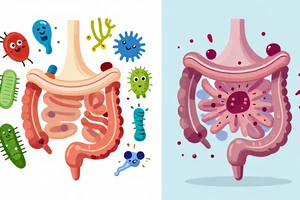
It is one of the most common triggers. Antibiotics are designed to kill harmful bacteria, but they cannot distinguish between the bad guys and the good bacteria in your gut. Broad-spectrum antibiotics especially wipe out large populations of friendly bacteria, such as Lactobacillus and Bifidobacterium, that normally compete with Candida for space and nutrients.
With the competition gone, Candida can grow unchecked. If you have taken multiple rounds of antibiotics in the past year—or a single long course—you may be at a higher risk for overgrowth. It is not just prescription antibiotics either; some foods contain low levels of antibiotic residues, though the primary concern remains clinical use.
3. Chronic Stress and Cortisol Imbalance
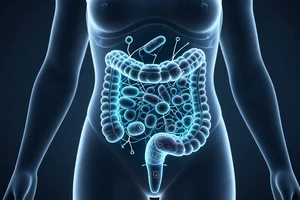
Your gut and brain are in constant communication via the vagus nerve. When you are under chronic stress, your body pumps out cortisol, a hormone that suppresses immune function. A weakened immune system has a harder time keeping Candida populations under control.
Stress also alters digestion. It reduces stomach acid production and slows down motility, which means food sits longer in the GI tract. This gives Candida more time to proliferate. Stress management—through practices like deep breathing, movement, or therapy—can be a powerful tool for gut health, especially when paired with dietary changes.
4. A Diet Low in Fermented Foods and Fiber
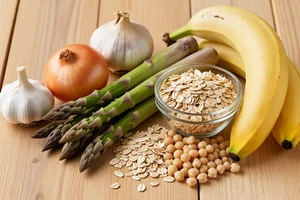
The friendly bacteria in your gut need two things to thrive: prebiotic fiber (from foods like onions, garlic, asparagus, and oats) and the live microbes found in fermented foods (such as sauerkraut, kimchi, yogurt, and kefir). A diet stripped of these elements leaves your gut microbiome vulnerable.
Without sufficient fiber, your beneficial bacteria starve. Without fermented foods, you miss out on direct doses of friendly microbes that help crowd out Candida. It is not about cutting out all carbs—it is about supporting the ecosystem that keeps the yeast in line.
5. Weakened Immune Function
Beyond stress, any condition or lifestyle factor that suppresses immunity can contribute to Candida overgrowth. This includes autoimmune conditions, chronic infections, lack of sleep, and certain medications like corticosteroids. Even aging itself can slowly reduce immune vigilance.
Diet plays a supportive role here. A nutrient-dense diet rich in vitamins C, D, zinc, and selenium—found in citrus fruits, fatty fish, nuts, and seeds—can help maintain a resilient immune system. Interestingly, mushrooms like shiitake and maitake contain beta-glucans that are known to modulate immune response, and they also happen to be anti-fungal.
6. High Alcohol Consumption
Alcohol is metabolized into acetaldehyde, a compound that damages the gut lining. This can increase intestinal permeability, often called leaky gut, allowing toxins and even whole yeast cells to pass into the bloodstream. Additionally, many alcoholic drinks are high in sugars and yeast themselves, especially beer, hard cider, and sweet cocktails.
Cutting back on alcohol gives your gut lining a chance to repair. This is why many anti-Candida protocols recommend avoiding alcohol entirely during the initial rebalancing phase.
What Does Diet Have to Do with Candida?
Everything. Diet is both a potential trigger and a powerful tool for management. The so-called anti-Candida diet traditionally eliminates sugar, refined flours, and often dairy and gluten as well, while emphasizing vegetables, lean proteins, and healthy fats. However, long-term restrictive diets can be challenging and may not be necessary for everyone.
A more sustainable approach is to focus on adding protective foods: garlic (allicin has natural anti-fungal properties), coconut oil (its medium-chain fatty acids help break down Candida cell walls), olive oil, cruciferous vegetables, and fermented foods. The goal is to create an environment where Candida cannot dominate, rather than trying to wipe it out entirely—Candida is a normal part of you, after all.
Bottom line: Rebalancing your gut microbiome is often about removing the triggers (excess sugar, unnecessary antibiotics, chronic stress) while adding in foods that support resilience and diversity among your gut bacteria.
Frequently Asked Questions
Can Candida overgrowth cause weight gain?
There is no strong direct evidence that Candida overgrowth itself causes obesity. But the dietary patterns that promote overgrowth—high sugar intake, low fiber—are closely linked to weight gain. Some proponents of the Candida diet report weight loss, likely due to the elimination of high-calorie processed foods.
How do I know if I have Candida overgrowth vs. something else?
Symptoms like bloating, fatigue, and brain fog are non-specific and can overlap with conditions like IBS, SIBO, or food sensitivities. The most reliable way to test for Candida overgrowth of the gut is through a comprehensive stool analysis via a functional medicine practitioner. Self-diagnosis is common but not always accurate.
Does a sugar-free diet alone cure Candida?
Reducing sugar is critical, but it is rarely a complete solution. Antibiotic history, stress levels, sleep quality, and overall gut microbiome diversity all play roles. A single dietary change may help reduce symptoms, but long-term management often requires a multifaceted approach that includes gut-supportive foods and lifestyle adjustments.
Is the Candida diet safe for everyone?
The standard anti-Candida diet is generally safe for most healthy adults, but it can be very restrictive. People with a history of disordered eating, pregnant women, or those with certain medical conditions should consult a healthcare professional before making significant dietary changes. A registered dietitian can help tailor the approach so it is both safe and effective.