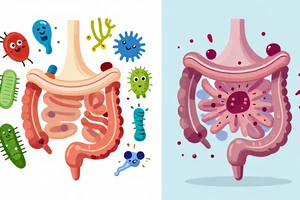

If you’ve been dealing with persistent bloating, brain fog, fatigue, or recurring yeast infections, you may have wondered whether Candida albicans is playing a role. Candida is a type of yeast that naturally lives in your gut, mouth, and skin, but when it grows out of balance—often due to antibiotics, a high-sugar diet, or chronic stress—it can lead to something called candida overgrowth. While a medical diagnosis is essential, many dietitians point to diet as a key lever for managing symptoms.
Rather than focusing solely on what to add to your plate, it helps to know which foods are most likely to feed an overgrowth. Here are four foods that registered dietitians recommend cutting back on or removing if you suspect candida overgrowth.
1. Added and Refined Sugars
Candida thrives on sugar. In fact, sugar is its primary fuel source. When you consume high amounts of refined sugar—think white sugar, high-fructose corn syrup, agave, and even natural sweeteners like honey or maple syrup in large quantities—you’re essentially creating a feast for the yeast. Dietitians often recommend eliminating added sugars for at least a few weeks to see if symptoms improve. This doesn’t mean you can never have fruit again; low-sugar fruits like berries, green apples, and lemons are typically fine in moderation because their fiber content helps slow sugar absorption.
Quick tip: Read ingredient labels for hidden sugars like dextrose, maltose, and cane juice. They’re everywhere—even in salad dressings, crackers, and nut milks.
2. White Flour and Refined Grains
Refined grains—white bread, pasta, white rice, crackers, and most breakfast cereals—break down into simple sugars quickly during digestion. That rapid conversion can cause blood sugar spikes, which may encourage candida to grow. Whole grains like quinoa, brown rice, oats, and buckwheat are generally better tolerated because they digest more slowly and provide fiber that supports a healthy gut microbiome. Many dietitians suggest swapping refined grains for gluten-free whole grains if you’re working on candida management, though gluten itself is not always a culprit unless you have celiac disease or a sensitivity.
3. Alcohol (Especially Beer and Wine)
Alcohol is a double whammy for candida. First, it’s high in sugar, particularly in the form of fermented sugars and residual carbohydrates. Beer and wine are especially problematic because they contain both sugar and yeast—and fermented foods can, for some people, exacerbate candida symptoms. Second, alcohol taxes the liver, which is your body’s primary organ for filtering toxins. When candida dies off, it releases toxins that your liver has to process. Adding alcohol into the mix can overburden this system, making it harder for your body to restore balance. Most dietitians advise avoiding alcohol entirely during an anti-candida protocol, though some allow dry red wine in very limited amounts.
If you’re looking for a satisfying alternative, try sparkling water with a splash of lemon, lime, or a few muddled berries. It gives you that same festive feel without feeding the yeast.
4. High-Mold and Fermented Foods (for Some People)
This one is trickier because fermented foods are usually considered gut-health superstars. Kimchi, sauerkraut, kombucha, miso, and yogurt are packed with probiotics. However, some dietitians note that in cases of significant candida overgrowth, these foods can temporarily worsen symptoms. The theory is that fermented foods may contain histamines or microbial strains that, while beneficial for healthy guts, can create more die-off or immune reactions in a compromised system. Similarly, moldy foods like aged cheeses, peanuts, and dried fruits with visible mold can add to the fungal load. This doesn’t mean you should never eat fermented foods again—it’s more about timing. Once your symptoms improve, you can slowly reintroduce them to see how you respond.
A note on die-off: When you start cutting out these foods, you may feel worse before you feel better. This is called the Herxheimer reaction, or “die-off,” and it happens as candida cells break down. Drink plenty of water, rest, and consider supporting your body with gentle detoxification practices like dry brushing or Epsom salt baths. If symptoms are severe, check in with your healthcare provider.
What Should You Eat Instead?
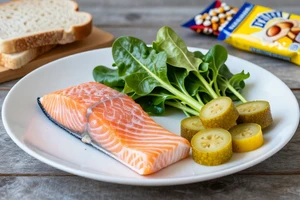
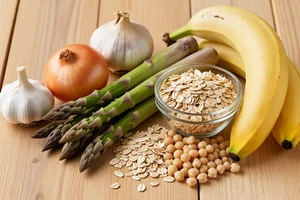
Eliminating these four categories doesn’t leave you with an empty plate. Focus on non-starchy vegetables (leafy greens, broccoli, zucchini, bell peppers), clean protein (chicken, fish, eggs, tofu), healthy fats (avocado, olive oil, coconut oil), and low-sugar fruits. Garlic, oregano, thyme, and cinnamon are also valued for their antifungal properties. The goal isn’t to be perfect—it’s to reduce the yeast’s fuel and support your body’s natural balance.
If you suspect candida overgrowth, the smartest first step is to work with a dietitian or functional medicine practitioner. They can help you design an elimination protocol that’s safe, sustainable, and tailored to your health history.