
You laced up, hit the pavement, and finished your run with that familiar ache creeping up the side of your neck. It’s not a full-blown injury—more like a stubborn knot that dulls your finish-line high. Before you reach for an ice pack, consider this: what you put on your plate in the recovery window can directly calm that inflammatory response and loosen things up from the inside out. Here are six foods that target post-run tightness, especially when your neck is the one complaining.
1. Wild Salmon
Salmon is practically the gold standard for anti-inflammatory eating, and for good reason. It’s rich in long-chain omega-3 fatty acids (EPA and DHA), which are known to reduce levels of inflammatory markers like C-reactive protein and interleukin-6. When your neck feels stiff after a run, those tissues are likely experiencing micro-inflammation from the repetitive impact and tension held in your shoulders. A 3- to 4-ounce portion of wild salmon within an hour of finishing helps your body shift into repair mode rather than staying inflamed. No salmon at hand? Canned sardines or mackerel work similarly—just look for options packed in water or olive oil.
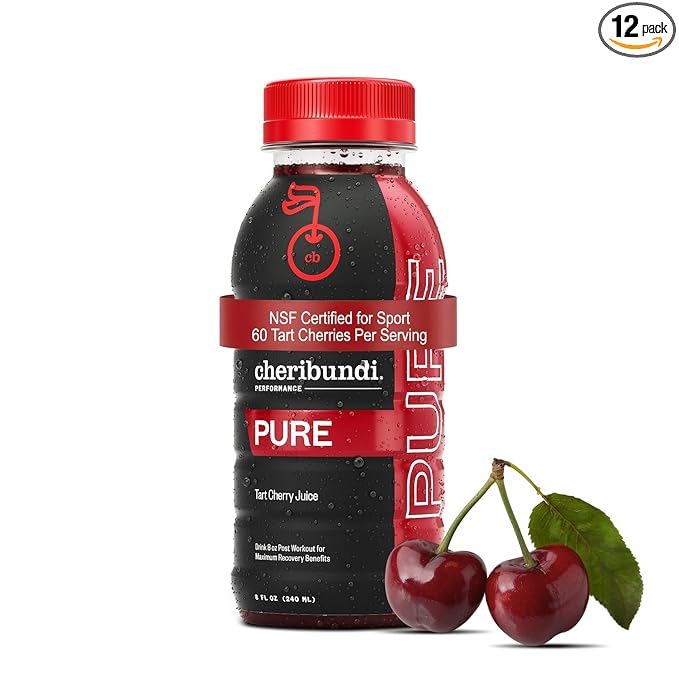
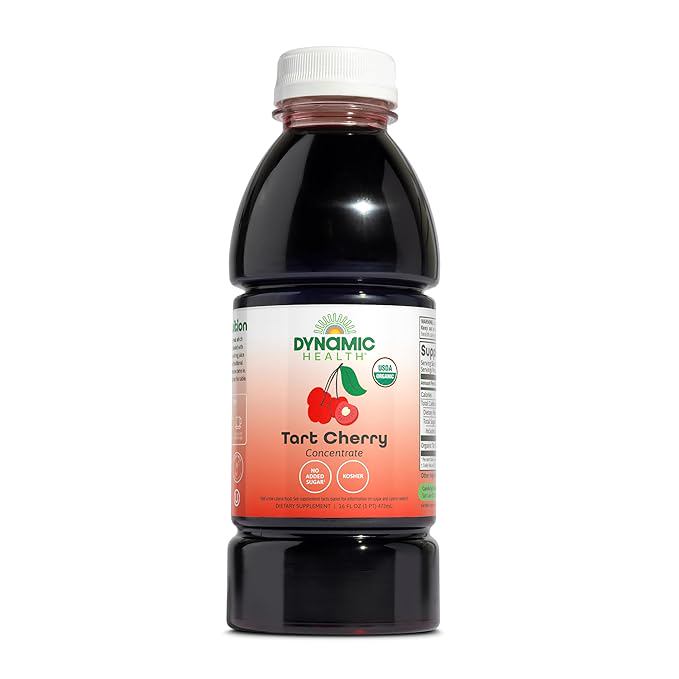
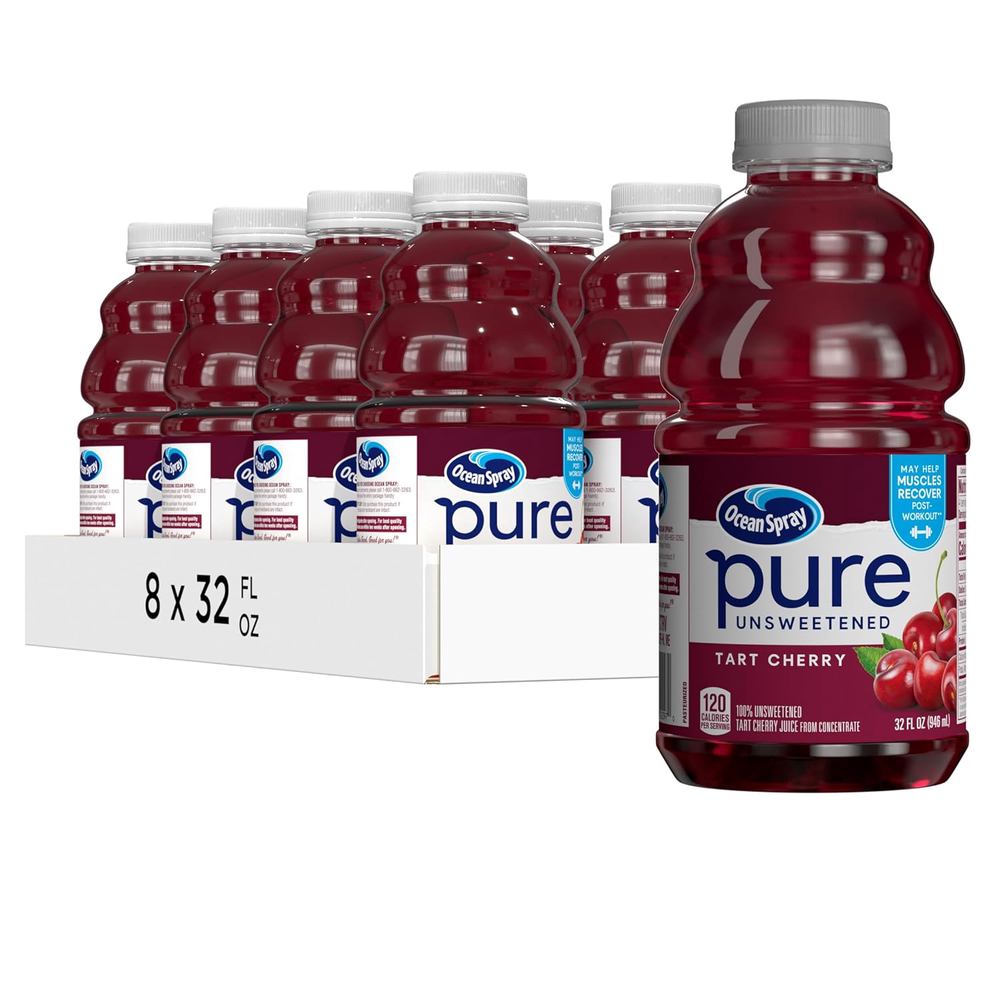
2. Tart Cherries (Fresh or Unsweetened Juice)
Tart cherries are one of the few foods backed by solid research for exercise recovery. They contain high levels of anthocyanins—the pigments that give them their deep red color—which inhibit cyclooxygenase enzymes, much like a mild version of ibuprofen does. For a tight neck after a run, drinking 8 to 10 ounces of unsweetened tart cherry juice or eating a cup of frozen tart cherries reduces oxidative stress and muscle soreness. The effect is most pronounced when you consume them right after your workout, but consistent daily intake also helps over the long haul.
3. Leafy Greens (Spinach, Kale, Swiss Chard)
Dark leafy greens are packed with vitamin K, carotenoids, and flavonoids that help quell systemic inflammation. When your neck is stiff, it’s often a sign that your shoulders are held tense while running—creating a cascade of oxidative damage in the trapezius and levator scapulae muscles. A big handful of spinach in a post-run smoothie or a bed of sautéed kale under your eggs delivers magnesium, too, which relaxes muscle fibers and supports nerve function. That magnesium boost is especially helpful if your neck tightness is accompanied by spasms or a feeling of ‘locking up’.
4. Turmeric (with Black Pepper)
Curcumin, the active compound in turmeric, is one of the most potent natural anti-inflammatories available—but it’s poorly absorbed on its own. Pairing turmeric with a pinch of black pepper (which contains piperine) increases absorption by up to 2,000%. For post-run neck tightness, adding a teaspoon of turmeric powder to a warm golden milk latte, a soup, or even a scrambled egg dish can help reduce the cytokine activity that keeps muscles inflamed. Stick to culinary amounts; high-dose supplements aren’t necessary for general recovery.
5. Pineapple
Pineapple contains bromelain, a unique enzyme complex that breaks down proteins involved in inflammation and swelling. Eating fresh pineapple—not canned, because heat processing destroys bromelain—after a run can ease the puffiness and tenderness that often accompany a tight neck. The enzyme works best on an empty stomach, so try a bowl of fresh pineapple chunks about 30 minutes before your main recovery meal. If you find the acidity bothersome, frozen pineapple chunks in a smoothie work almost as well.
6. Extra-Virgin Olive Oil
Not exactly a food you eat alone, but extra-virgin olive oil is a key ingredient to drizzle over almost any recovery meal. Its anti-inflammatory power comes from oleocanthal, a compound that has been shown to inhibit inflammation in a manner similar to ibuprofen. A tablespoon drizzled over roasted vegetables or mixed into a vinaigrette for your leafy greens adds both flavor and a measurable reduction in muscle soreness markers. Just be sure it’s extra-virgin and darkly stored; the phenolics degrade with light and heat.
Putting It Together: A Simple Post-Run Plate
You don’t need to eat all six at once. Aim for two or three of these in your first meal after a run. For example: grilled salmon over a bed of sautéed spinach and kale, dressed with extra-virgin olive oil and a side of fresh pineapple chunks. Or a smoothie with tart cherry juice, a handful of spinach, frozen pineapple, and a pinch of turmeric (plus a dash of black pepper if you can handle it). That combination addresses inflammation from multiple angles—fatty acids, antioxidants, enzymes—and gives your neck muscles the raw materials they need to release.
A quick reminder: these foods can help manage everyday post-run inflammation, but if your neck tightness persists for more than a few days, is accompanied by numbness or tingling, or follows a fall or collision, check in with a healthcare provider. Food is a powerful tool, but it’s not a replacement for proper diagnosis or treatment.