You finished your yoga practice feeling stretched and centered. Hours later, a familiar ache settles in your lower back. It is a common experience—muscles working in new ways, releasing tension, and sometimes reacting with inflammation. While your body is doing essential repair work, you can support that process from the inside out with smart hydration.
What you drink after unrolling your mat can either fan the flames of inflammation or help cool them. These six anti-inflammatory beverages are designed to soothe sore back muscles, ease stiffness, and help you recover faster so you can get back to your practice.
Why back pain flares after yoga?
Mild soreness after yoga is often a sign of micro-tears in muscle fibers—a normal part of strengthening and lengthening. However, if your lower back feels particularly tender, it may be due to inflammation in the lumbar fascia, the deep connective tissue that runs along your spine. Poses like forward folds, deep twists, and backbends can temporarily stress this area.
The goal is not to mask pain, but to give your body the raw materials it needs to resolve inflammation naturally. These drinks deliver antioxidants, polyphenols, and minerals that target that exact process.
1. Tart cherry juice concentrate
Tart cherries are one of the richest natural sources of anthocyanins, pigments that reduce oxidative stress and lower inflammatory markers like C-reactive protein. A small glass of tart cherry juice (about 6 ounces, diluted with water) after practice can help reduce muscle soreness and improve recovery time.
Look for unsweetened tart cherry juice concentrate. Dilute it with sparkling water for a refreshing post-yoga spritzer.
2. Ginger-lemon warm water
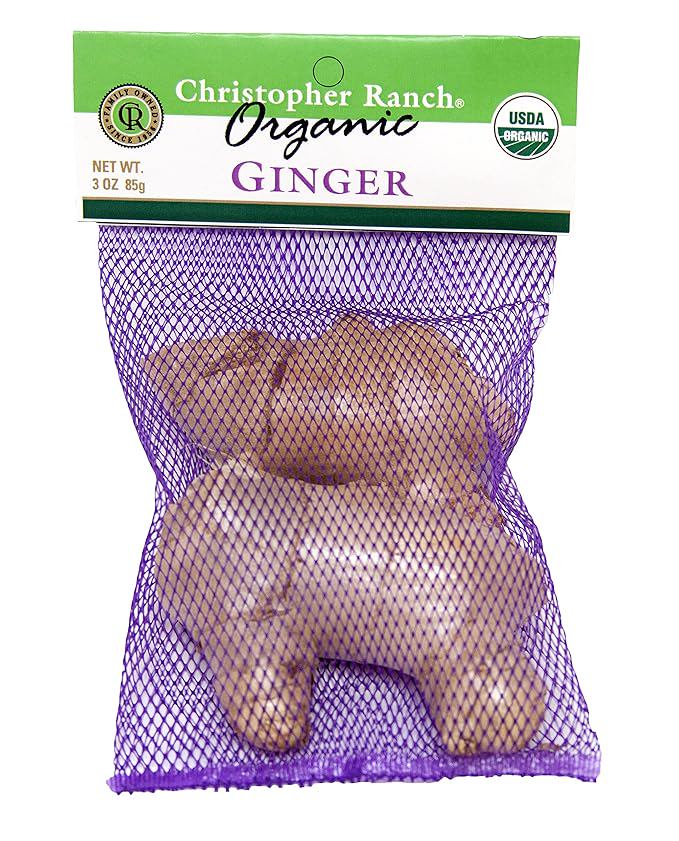
Fresh ginger contains gingerol, a bioactive compound with effects similar to non-steroidal anti-inflammatory drugs—without the side effects. When you combine it with vitamin C from lemon, you get a gentle, warming drink that improves circulation to sore back muscles.
Simmer three thin slices of fresh ginger in two cups of water for ten minutes. Add the juice of half a lemon and a tiny pinch of cayenne (optional) for an extra circulation boost. Sip it slowly after savasana.
3. Golden milk (turmeric latte)
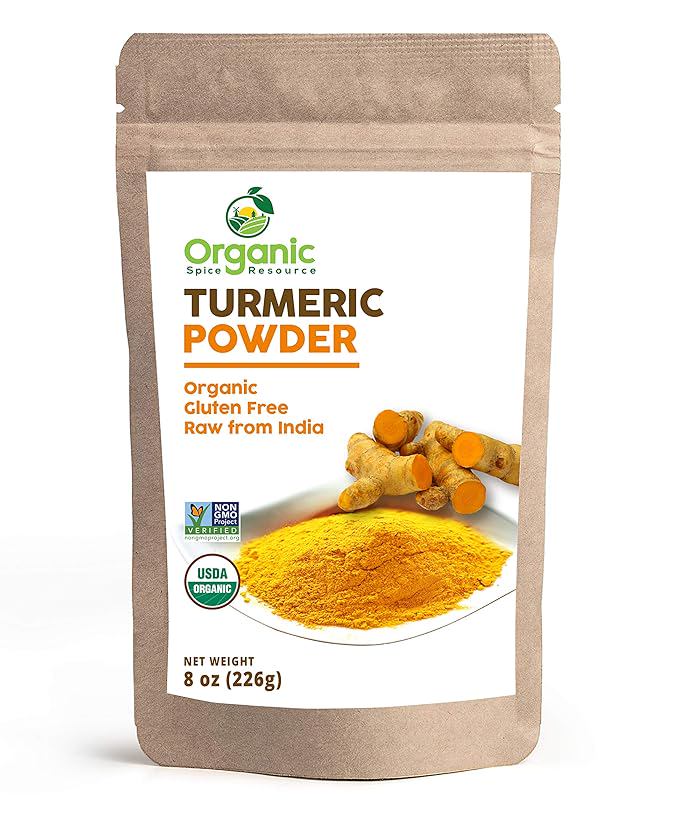
Curcumin, the active compound in turmeric, is a potent anti-inflammatory agent. The catch? It is poorly absorbed on its own. Golden milk solves this by combining turmeric with black pepper (piperine increases absorption by 2,000 percent) and a healthy fat like coconut milk.
Whisk one teaspoon of turmeric powder, a pinch of black pepper, and one teaspoon of coconut oil or ghee into warm unsweetened oat or coconut milk. Drink it thirty minutes after practice for best results.
4. Pineapple and mint infusion
Pineapple contains bromelain, an enzyme that breaks down inflammatory proteins and reduces swelling in soft tissues. Mint adds a cooling effect that can feel particularly soothing for a warm, tight back.
Blend one cup of fresh pineapple chunks with two cups of water and a handful of mint leaves. Strain or drink as-is. Do not add sugar—the natural sweetness of pineapple is enough. This works well as a cold drink if your back feels overheated.
5. Green tea with matcha
Green tea is rich in epigallocatechin gallate (EGCG), a catechin that inhibits inflammation at the cellular level. Matcha, which is powdered whole green tea leaves, delivers a more concentrated dose than brewed tea.
Whisk half a teaspoon of ceremonial-grade matcha into hot (not boiling) water. Let it cool slightly and drink within twenty minutes of preparing. If caffeine is a concern, use decaffeinated green tea bags steeped for three minutes instead.
6. Cucumber, celery, and watermelon hydrator
Dehydration can amplify muscle pain because reduced fluid volume means fewer nutrients reach tight tissues. This drink is less about specific anti-inflammatory compounds and more about delivering electrolyte-rich hydration with a mild anti-inflammatory bonus from watermelon's lycopene and citrulline.
Juice or blend half a cucumber, two celery stalks, and one cup of watermelon. Add a squeeze of lime and a small pinch of sea salt. Drink immediately after practice to rehydrate and flush metabolic waste.
When to see a professional
These drinks are supportive tools, not treatments for injury. If your back pain is sharp, radiates down your leg, or persists longer than three days, consult a physical therapist or healthcare provider. Yoga should never cause lasting pain—adjust your practice if certain poses consistently aggravate your back.