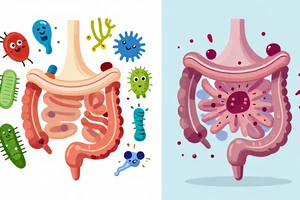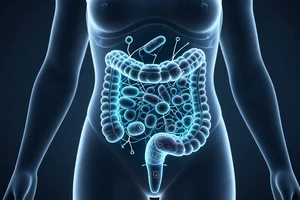
You might not think much about the trillions of microorganisms living in your digestive tract. But those gut bacteria are quietly working around the clock, breaking down food, supporting your immune system, and even influencing your mood. Like any living thing, they need proper fuel to thrive—and their preferred food source is a type of carbohydrate called prebiotic fiber.
When your gut microbes don't get enough of this specific fiber, they start sending signals. Here are five warning signs that your gut bacteria might be running low on prebiotic fiber—and what you can do about it.
1. You Experience Frequent Digestive Discomfort
Gas, bloating, constipation, or irregular bowel movements often point to an imbalance in the gut ecosystem. Prebiotic fiber acts as a fertilizer for beneficial bacteria like Bifidobacterium and Lactobacillus. When these populations are underfed, the less friendly microbes can take over, leading to fermentation issues and sluggish transit.
A 2022 study in Nutrients found that increasing prebiotic intake significantly improved stool frequency and consistency in people with constipation. The key is to add fiber gradually—your gut needs time to adjust so you don't end up feeling worse before you feel better.
"Think of prebiotics as the compost for your gut garden. Without it, the good bacteria can't grow."
2. You Feel Tired After Eating Meals
If you regularly crash after eating, especially after carb-heavy meals, your gut bacteria may not be producing enough short-chain fatty acids (SCFAs). These compounds, particularly butyrate, are a primary energy source for the cells lining your colon. When prebiotic intake is low, SCFA production drops, and your energy regulation can suffer.
Researchers have found that butyrate also influences how your body manages blood sugar. Without enough prebiotic fiber, your post-meal glucose spikes can be more pronounced, which may explain that sluggish, foggy feeling after lunch.
3. Your Cravings for Sugar and Processed Carbs Feel Uncontrollable
Your gut microbes can influence your food choices through the gut-brain axis. When they don't get the prebiotic fiber they need, certain bacteria may send signals that increase cravings for quick-energy sugars—which in turn feed less beneficial microbes, creating a cycle that's hard to break.
A 2021 clinical trial showed that participants who increased their prebiotic fiber intake reported fewer cravings for sugary foods after just four weeks. The shift happened before any significant changes in weight or blood sugar, suggesting the gut microbes themselves were driving the change.
4. You Catch Every Cold or Infection That Goes Around
About 70 to 80 percent of your immune cells live in your gut. Prebiotic fiber plays a critical role in maintaining the gut barrier and supporting the production of immune-regulating cells. Low prebiotic intake has been linked to reduced production of secretory IgA, an antibody that acts as the first line of defense against pathogens.
In a 2020 review of 15 studies, researchers found that prebiotic supplementation reduced the duration and severity of upper respiratory infections. The effect wasn't huge, but it was consistent—and it didn't require any drugs or complicated regimens.
5. Your Mood Feels Off for No Clear Reason
The gut and brain communicate constantly through the vagus nerve and chemical messengers. A lack of prebiotic fiber can reduce the production of neurotransmitters like serotonin—about 90 percent of which is made in your gut. When the microbial balance tips, you may experience low mood, irritability, or anxiety without an obvious trigger.
While the research on "psychobiotics" is still early, several randomized controlled trials have found that prebiotic-rich diets are associated with improved mood scores and lower cortisol (stress hormone) levels compared to standard low-fiber diets.
How to Add More Prebiotic Fiber to Your Diet
You don't need expensive supplements to feed your gut bacteria. Prebiotic fiber is naturally abundant in many whole foods. Good sources include:
- Chicory root and dandelion greens
- Garlic, onions, and leeks
- Jerusalem artichokes (also called sunchokes)
- Bananas that are still slightly green
- Oats and barley
- Apples with the skin
- Flaxseeds and chia seeds
Start with small portions—maybe half a banana or a clove of garlic in your cooking—and increase slowly over a couple of weeks. Drinking extra water helps the fiber work properly without causing bloating. If you're considering a prebiotic supplement, talk with a healthcare professional first, especially if you have irritable bowel syndrome or a history of digestive issues.
A simple rule of thumb: aim for at least 5 grams of prebiotic fiber per day from food sources. That's roughly one medium banana plus a tablespoon of flaxseeds.
When to See a Doctor
These signs can also be caused by other health conditions, including food intolerances, infections, or inflammatory bowel disease. If your symptoms are severe, persistent, or accompanied by unexplained weight loss, blood in your stool, or fever, don't try to fix it with fiber alone—see a healthcare provider for a proper evaluation.