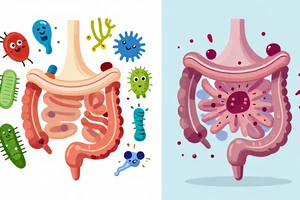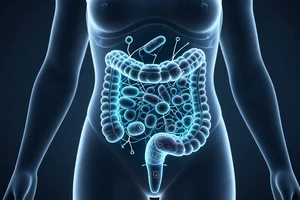

Your gut is home to trillions of bacteria, fungi, and other microbes — a complex ecosystem known as the gut microbiome. When this community is diverse and balanced, it supports digestion, immunity, mood, and even energy levels. But when the balance shifts — too many harmful microbes, not enough beneficial ones — your whole body can feel the effects.
This imbalance, called dysbiosis, doesn't always announce itself with obvious stomach pain. Often, the signs are subtler: a lingering brain fog, unexplained fatigue, or skin changes. If you've been wondering whether your gut might be out of sync, here are five common warning signs — and what you can do to restore harmony.
1. You're bloated and gassy most days
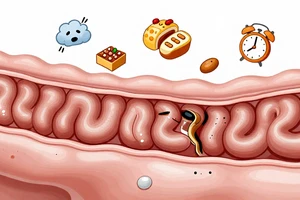
Occasional bloating after a large meal is normal. But if you feel uncomfortably distended after most meals — or even on an empty stomach — it's a red flag. An overgrowth of gas-producing bacteria in the small intestine (often linked to SIBO) can cause persistent bloating, burping, and flatulence.
What to do
- Try a low-FODMAP elimination diet for 2–4 weeks under a dietitian's guidance. Fermentable foods like onions, garlic, beans, and wheat can feed gas-producing bacteria.
- Eat on a consistent schedule and avoid grazing throughout the day. Letting your digestive system rest between meals encourages the migrating motor complex — natural waves that sweep bacteria out of the small intestine.
- Consider a targeted probiotic — strains like Bifidobacterium infantis and Lactobacillus plantarum have been shown to reduce bloating in some studies.
2. You're chronically tired — even after sleeping
Your gut and brain are in constant conversation via the vagus nerve. When gut bacteria are imbalanced, this communication can falter. Certain harmful bacteria produce endotoxins that trigger low-grade inflammation, which can drain your energy. Additionally, a compromised gut lining may reduce your ability to absorb key nutrients like iron, B12, and magnesium — all essential for energy production.
If your fatigue comes with a "foggy" feeling — trouble concentrating, forgetfulness, or slow thinking — gut health should be near the top of your list of suspects.
What to do
- Prioritize sleep hygiene and stress management; both directly affect the gut-brain axis. Even a small reduction in stress can reduce inflammation-driven fatigue.
- Eat more prebiotic fiber (see below) to feed beneficial bacteria that produce short-chain fatty acids — compounds that support the gut barrier and reduce inflammation.
- Check your iron and B12 levels with a blood test. Dysbiosis is linked to poorer absorption of these nutrients, and correcting deficiencies can improve energy.
3. Your skin is breaking out or inflamed
The gut-skin axis is real. An imbalanced gut can promote systemic inflammation, which often shows up on your face, back, or chest. Conditions like acne, rosacea, eczema, and psoriasis have all been linked to dysbiosis. The mechanism: when the gut lining becomes "leaky" (increased intestinal permeability), microbial fragments and undigested food particles can enter the bloodstream and trigger an immune response that inflames skin.
What to do
- Cut back on added sugar and refined carbs — they feed harmful bacteria and yeast, especially Candida, which is linked to inflammatory skin conditions.
- Incorporate fermented foods like sauerkraut, kimchi, kefir, and yogurt (if you tolerate dairy). These provide live beneficial microbes that can help restore balance.
- Zinc is a mineral that supports both gut repair and clear skin. Food sources include pumpkin seeds, chickpeas, and oysters.
4. Your bowel habits have changed — for no clear reason
Whether it's chronic constipation, diarrhea, or alternating between the two, a shift in bowel habits is one of the most direct signs of gut imbalance. Beneficial bacteria help move waste through the colon and regulate stool consistency. When they're outnumbered by pathogens or gas-formers, transit time can slow or speed up unpredictably.
A healthy stool is typically type 3 or 4 on the Bristol Stool Scale — sausage-like with some cracks, or smooth and snake-like. Anything consistently outside that range warrants attention.
What to do
- Increase fiber gradually — aim for 25–35 grams per day from a variety of sources (oats, flax, chia, leafy greens, berries). A sudden jump in fiber can make gas and bloating worse, so increase by 3–5 grams per week.
- Stay hydrated — fiber pulls water into the stool, but only if you're drinking enough.
- Magnesium citrate can be helpful for occasional constipation. Again, check with a healthcare provider before starting any supplement.
5. You have frequent sugar cravings or a "sweet tooth"
This one may surprise you. The type of bacteria dominating your gut can influence your food choices. Certain microbes — especially Candida yeast and some Firmicutes bacteria — thrive on sugar and refined carbohydrates. When they overgrow, they may send signals to your brain that lead to cravings. It's not that you're weak-willed; it's that your gut is literally asking for the fuel its dominant species need to survive.
What to do
- Hold the line on sugar reduction for at least 7–10 days. Cravings often peak and then fade as the sugar-loving microbes start to die off.
- Eat more resistant starch after cooling, like cooled potatoes, oats, or green bananas). Resistant starch feeds beneficial butyrate-producing bacteria, which can shift the microbial balance in your favor.
- When a craving hits, distract yourself for 10 minutes — take a walk, drink a glass of water, or chew a piece of gum. Often the urge passes quickly.
Core strategies for restoring gut balance
Beyond targeting individual symptoms, the following habits are the foundation of a healthy microbiome — they address imbalance at the root. These are not quick fixes; consistency matters more than perfection.
- Eat a diverse range of plants. Aim for 30 different plant foods per week (fruits, vegetables, legumes, whole grains, nuts, seeds, herbs, spices). Each plant feeds different bacterial species.
- Include fermented foods daily. Even a small serving — a few spoonfuls of sauerkraut or a cup of kefir — can increase microbial diversity.
- Limit artificial sweeteners, emulsifiers, and antibacterial preservatives found in highly processed foods. These can suppress beneficial bacteria.
- Manage stress and prioritize sleep. Cortisol (the stress hormone) harms the gut barrier and reduces bacterial diversity. Aim for 7–8 hours of quality sleep.
- Use antibiotics only when necessary. Antibiotics wipe out both good and bad bacteria. If you do take them, follow up with a course of targeted probiotics and fermented foods.
If you're experiencing several of these signs persistently — for more than a few weeks — consider consulting a gastroenterologist or a registered dietitian who specializes in gut health. They can help you rule out underlying conditions and create a personalized plan that respects your unique biology.
Gut health is rarely about one single fix. It's about creating an environment where the good guys can thrive — and your body will thank you for it, from head to gut.