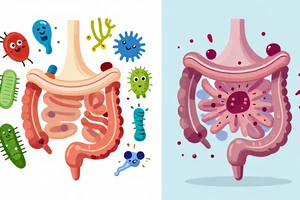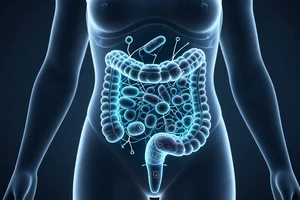
You hear a lot about probiotics—the live bacteria in yogurt, kefir, and supplements that are supposed to keep your gut humming. But there's a quieter, equally important player in digestive health that often gets overlooked: prebiotic fiber. Think of prebiotics as the fertilizer that feeds the good bacteria already living in your gut. Without enough of it, even the best probiotics may struggle to make a difference.
Most adults fall short of the recommended daily fiber intake. And while any fiber is good, prebiotic fiber—the specific type that ferments in the colon and feeds beneficial microbes—deserves special attention. Here are five signs your body might be telling you to add more prebiotic-rich foods to your plate.
1. Your digestion feels sluggish or irregular
If you find yourself skipping days between bowel movements or straining more than you used to, your gut microbes may be running low on fuel. Prebiotic fibers like inulin and fructooligosaccharides (FOS) help add bulk to stool and encourage regular motility. They also feed bacteria that produce short-chain fatty acids—compounds that keep the colon lining healthy and moving.
A few days of bran cereal might help temporarily, but prebiotic fibers from sources like oats, bananas, and onions provide the fermentation your gut needs for longer-term consistency.
2. You feel bloated and gassy after meals (more than normal)
Paradoxically, one of the first signs of low prebiotic fiber can actually be bloating. When your microbiome lacks fermentable material, it may overreact to the fiber you do eat, producing erratic gas. A steady, daily supply of prebiotic fiber trains your gut bacteria to process it efficiently, reducing that uncomfortable pressure. Start slowly—a small serving of cooked garlic or a half-cup of lentils—and let your system adjust.
A little discomfort when starting prebiotics is normal; persistent bloating usually means you increased the dose too fast.
3. You crave sugar and simple carbs more than usual
Your gut microbes are surprisingly chatty. Through neural and hormonal signals, they can influence what you feel like eating. When your microbiome is starved of prebiotic fiber, certain bacteria may diminish while others—ones that thrive on sugar—take over. This shift can amplify cravings for sweets and refined carbohydrates. Replenishing prebiotic fiber helps rebalance the microbial population, which in turn can reduce those urges over time.
4. You're dealing with unexplained fatigue or low energy
It's not just about digestion. Short-chain fatty acids produced by fermenting prebiotic fiber have systemic effects—including supporting energy metabolism. Some research suggests that a diverse, fiber-fed microbiome helps regulate blood sugar and may reduce inflammation. If you feel tired even after eight hours of sleep, your gut might not be producing enough of these helpful metabolites. Adding prebiotic-rich foods like chicory root, leeks, and whole grains might help restore energy more naturally than another cup of coffee.
5. Your immune system feels off—frequent colds, slow healing
A large chunk of your immune tissue lives in your gut. Prebiotic fiber feeds bacteria that stimulate the production of regulatory T-cells and other immune defenders. Studies have found that higher prebiotic intake correlates with fewer sick days and faster recovery from infections. If you find yourself catching every bug that goes around, your microbiome could use additional support through fermentable fibers like beta-glucan from oats or resistant starch from cooked-and-cooled potatoes.
How to add more prebiotic fiber without the drama
You don't need a supplement to get prebiotic fiber. Some of the most effective sources are everyday foods:
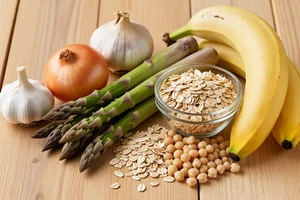
- Garlic and onions: Rich in inulin. Use them as a base for soups, stir-fries, and dressings.
- Oats: A solid source of beta-glucan, a prebiotic fiber that feeds beneficial Bifidobacteria.
- Bananas (especially slightly green ones): Contain resistant starch, a prebiotic that resists digestion until it reaches the colon.
- Leeks and asparagus: Provide both inulin and FOS, two well-studied prebiotics.
- Chicory root: Often added to packaged foods as a fiber additive—just check ingredient labels.
Introduce one new source per day for a week, then gradually increase portions. Drink plenty of water to help the fiber move through your system smoothly.
When to check in with a healthcare provider
While the symptoms above are common clues, they can also point to other health issues—irritable bowel syndrome, food intolerances, or more serious digestive conditions. If symptoms persist after a month of gradual dietary changes, or if you experience significant pain, blood in your stool, or unintentional weight loss, consult a doctor or registered dietitian. They can help rule out other causes and tailor a fiber plan that works for your unique gut.
Prebiotic fiber isn't a trendy ingredient—it's a foundational piece of digestive wellness. Small, consistent additions to your daily meals can make a meaningful difference in how you feel, from your morning energy to your evening digestion.