It's been drilled into us: watch the salt shaker. But if you've cut back on sprinkling salt on your meals and still feel puffy, thirsty, or see your blood pressure creeping up, the culprit might be hiding in plain sight. Most of the sodium we eat doesn't come from home cooking—it comes from processed foods that don't even taste particularly salty.
Here are five surprising sources of sodium—foods that many people consider healthy or neutral—that could be secretly loading your plate with salt.
1. Cottage Cheese and Other Fresh Dairy
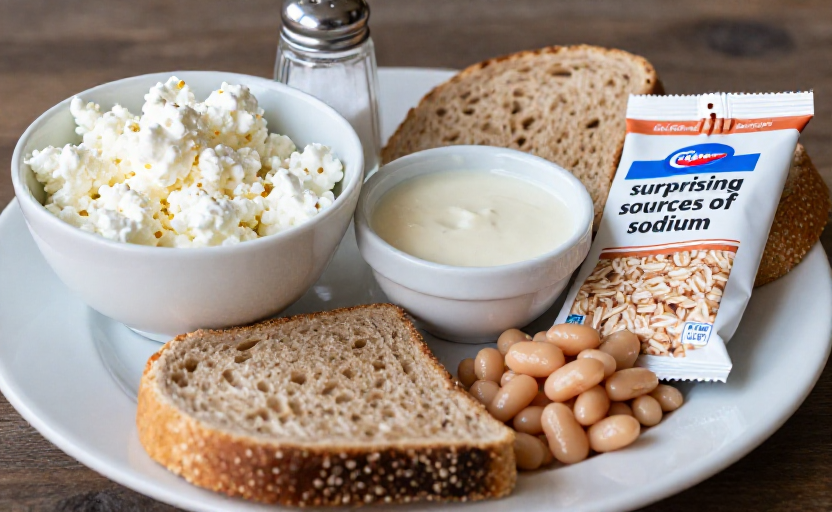
Cottage cheese is a go-to for high-protein breakfasts and snacks. But many brands pack as much sodium per serving as a handful of salted pretzels. Because salt is used both for flavor and as a preservative, a half-cup of cottage cheese can contain 350–500 mg of sodium—that's roughly 20% of the daily limit recommended by the American Heart Association. Other fresh cheeses like feta and halloumi are also very high in sodium. Checking labels and looking for no-salt-added versions is an easy fix.
2. Whole-Wheat Bread and Tortillas
Whole grains are a smart choice for fiber and nutrients, but the bread in your toast or the tortilla wrapping your lunch can be a sodium sleeper. A single slice of whole-wheat bread typically has around 120–200 mg of sodium. It adds up fast: if you eat two slices for breakfast and two more for a sandwich, that's nearly 800 mg of sodium before you've touched anything else. Most of that salt comes from the dough's structure and shelf-life requirements, not from obvious seasoning. Seek out low-sodium bread options, or consider making your own when you can.
3. Canned Vegetables and Beans
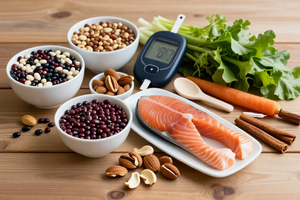
We all know we should eat more vegetables. But if that's coming from a can, you might be getting a big dose of sodium along with the fiber. Canned green beans, peas, corn, and especially beans (kidney, black, chickpeas) are often packed in a brine that's loaded with salt. A single cup of canned black beans can contain over 600 mg of sodium—about a quarter of your daily max. Fortunately, this is one of the easiest fixes: rinsing canned vegetables and beans under running water for 30 seconds can reduce the sodium by 40% or more. Better yet, choose “no salt added” labels or cook dried beans from scratch.
4. Salad Dressings and Bottled Sauces
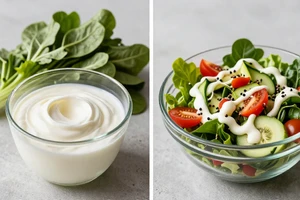
A big salad seems like the ultimate health food. But drown it in bottled ranch, Caesar, or vinaigrette, and sodium adds up fast. Two tablespoons of many bottled dressings pack 200–400 mg of sodium. That's before any croutons, cheese, or cured toppings—which bring even more. Bottled marinades, stir-fry sauces, and even ketchup have similar sodium loads. Making a simple dressing at home with olive oil, vinegar or lemon juice, herbs, and just a pinch of salt is a much better option. You get actual flavor without the factory salt.
5. Instant Oatmeal and Hot Cereals
Oatmeal is a classic heart-healthy breakfast. But instant oatmeal packets—particularly the flavored kinds—are often loaded with added salt and sugar. A single packet of maple and brown sugar instant oatmeal can contain 200–300 mg of sodium, plus added sugar. Even plain instant oats sometimes have added salt. Compare that to steel-cut or rolled oats made from scratch, where you control the salt. If you're short on time, look for unsalted quick-cooking oats and add your own toppings like fruit, nuts, and a pinch of cinnamon.
A quick caveat: Sodium isn't inherently bad—it's essential for nerve function and fluid balance. The problem is the dose. Most adults should aim for no more than 2,300 mg per day, and ideally below 1,500 mg, especially if you have high blood pressure. The foods above aren't off-limits. Just reading labels, rinsing canned goods, and choosing fresh or frozen over heavily processed options can make a big difference.