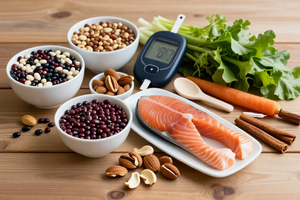
If you rely on canned soups, jarred pasta sauces, or packaged snacks for quick meals, you are likely getting more sodium than you realize. Even products marketed as "healthy" can pack half a day's worth of salt in a single serving. The good news is that you do not have to give up convenience to cut back on sodium. A few smart swaps can dramatically lower your intake while keeping meals flavorful and satisfying.
Below are five practical, food-first swaps that target the biggest sodium sources in a typical pantry. Each swap is designed to reduce sodium without sacrificing taste, texture, or convenience.
Swap No. 1: Canned Broth for No-Salt-Added Broth Boxes
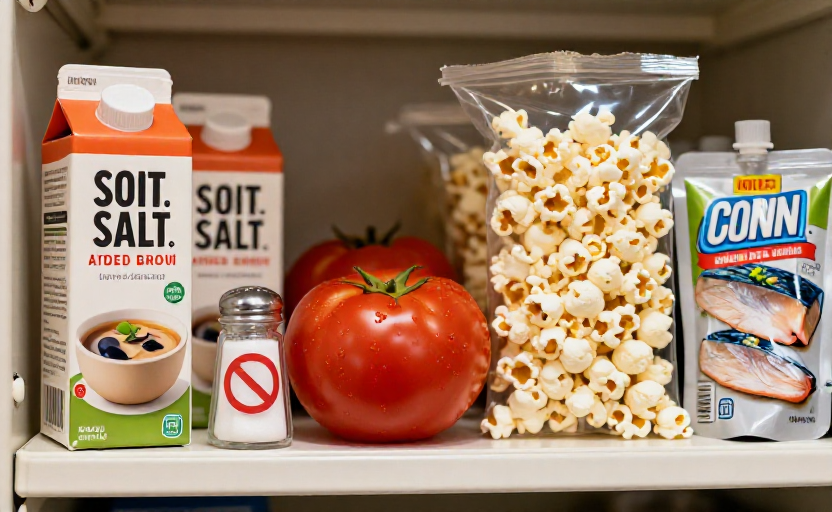
Regular canned chicken or vegetable broth often contains 600–900 mg of sodium per cup. That salt load goes straight into soups, stews, and sauces. The easiest fix is to switch to no-salt-added or low-sodium broth sold in shelf-stable cartons. These products typically have less than 100 mg per cup. Pro tip: If you miss the savory depth that salt provides, stir in a splash of apple cider vinegar or a pinch of dried herbs like thyme or rosemary. The acidity and aromatics will brighten the flavor without adding sodium.
Swap No. 2: Canned Diced Tomatoes for Fire-Roasted or Crushed Tomatoes
Many canned tomato products are packed with added salt for preservation. A half-cup of regular diced tomatoes can have 250–400 mg of sodium. Fire-roasted diced tomatoes or plain crushed tomatoes (with no salt added) hover around 30–60 mg per half-cup. The roasting process naturally concentrates sweetness and umami, so you lose nothing in flavor. Use these as the base for soups, chili, or pasta sauce and season with garlic, onion powder, or smoked paprika instead of salt.
Swap No. 3: Packaged Snack Mixes for Air-Popped Popcorn
Sodium in snack mixes adds up quickly—one ounce of a typical party mix can contain 300–500 mg. Air-popped popcorn, on the other hand, is a whole-grain snack with only 1–2 mg of sodium per cup when prepared without added salt. You control the seasoning. A light dusting of nutritional yeast, chili powder, or cinnamon gives flavor without the sodium spike. For a heartier snack, toss air-popped popcorn with a small amount of unsalted nuts and dried fruit.
Swap No. 4: Jarred Pasta Sauce for Canned Crushed Tomatoes + Herbs
A half-cup of standard jarred marinara can deliver 400–700 mg of sodium. Many brands rely on salt as a primary flavoring. Instead, keep a few cans of no-salt-added crushed tomatoes on hand and make a quick stovetop sauce. Saute minced garlic and onion in a teaspoon of olive oil, add the tomatoes, and simmer while stirring in dried basil, oregano, and a pinch of black pepper. The entire process takes 10 minutes and yields a sauce with roughly 40–60 mg of sodium per serving. Make a double batch and freeze in portions for busy nights.
Swap No. 5: Canned Tuna or Chicken for Pouch-Packed Versions (No Salt Added)
Canned tuna and chicken packed in water or oil can hold 250–400 mg of sodium per 3-ounce serving due to added salt and processing. Pouch-packed seafood and poultry are often available in no-salt-added varieties, bringing sodium down to 40–80 mg per pouch. These are perfect for salads, sandwiches, or quick protein additions to soups and rice bowls. Look for pouches labeled "no salt added" or "low sodium" and avoid those that list salt or sodium as an ingredient.
One Last Tip: When you do use canned products with sodium, always rinse them under cold running water for 30 seconds. This simple step can reduce sodium content by up to 40 percent.
Making these five swaps requires minimal effort but delivers noticeable results for daily sodium intake. Your taste buds will adjust within a week or two, and you will start to perceive overly salty foods differently—often finding them less appealing. That is a sign your palate is recalibrating to a healthier baseline.