
When we think about probiotics, yogurt and kombucha usually get the spotlight. They're popular for good reason, but they're hardly the only players in the fermented-foods game. Many of the most potent sources of beneficial bacteria sit quietly on supermarket shelves, often right under our noses, without getting the attention they deserve.
As a health editor, I've had conversations with dietitians who share a recurring observation: most people stick with the same few probiotic staples and miss out on a whole world of lesser-known, equally powerful options. These five foods, in particular, come up again and again when gut-health experts talk about what they personally eat — and wish their clients would try more often.
Why dietitians look beyond yogurt and kefir
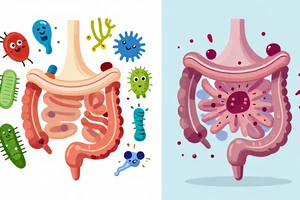
The thinking here isn't that yogurt is bad — it's that diversity matters for the gut microbiome. Different fermented foods carry different strains of bacteria, and the more varied your intake, the more likely you are to support a resilient and balanced gut ecosystem. Eating the same two probiotic foods every day is fine as a start, but it's a bit like listening to the same two songs on repeat. You'll get a tune, but you'll miss the full symphony.
The dietitians I've spoken with emphasize that many overlooked foods also bring other nutritional advantages — fiber, vitamins, or polyphenols — that create a synergistic effect in the gut. Here are the five they consistently point to.
1. Kimchi (but not just as a condiment)
Most people know kimchi as a spicy Korean side dish, but they rarely treat it as a daily probiotic serving. Dietitians note that a small heap of kimchi — about a quarter cup — delivers live lactic acid bacteria, specifically Lactobacillus strains, which have been studied for their role in gut health. What many overlook is that kimchi also contains prebiotic fibers from its vegetable base (usually napa cabbage, radish, and scallions), which feed the very bacteria you're trying to encourage.
Beyond the gut, kimchi offers a hit of vitamins A and C, plus antioxidants from ginger and garlic. The advice: Use it as more than a taco topper. Tuck it into grain bowls, fold it into scrambled eggs, or eat it straight as a small side with lunch.
2. Cultured cottage cheese and skyr
Regular cottage cheese is not a probiotic food — but cultured cottage cheese is. The difference is that live active cultures are added after the cheese curds form, and they remain alive when you eat it. Look for labels that say "contains live and active cultures" or list specific strains. Dietitians point out that this is a stealthy way to get probiotics into a savory breakfast or a high-protein snack, often with far less sugar than flavored yogurts.
Icelandic skyr, while not always fermented with the same breadth of strains as yogurt, is another option that dietitians call "a quiet powerhouse." It's thick, creamy, and typically packed with protein — often around 15 to 20 grams per serving. Choose plain varieties and sweeten them yourself with fruit.
3. Pickled vegetables (the real ones, not vinegar jars)
Here's the catch that dietitians find themselves explaining constantly: most pickles you buy off the shelf — especially dill pickles that taste sour — are made with vinegar, not through natural fermentation. Vinegar-pickled vegetables do not contain live probiotics. However, lacto-fermented pickles — those made with salt, water, and time — do.
Look in the refrigerated section. Brine that appears slightly cloudy, with maybe a little sediment at the bottom, is a good sign that live cultures are present. And it's not just cucumbers. Lacto-fermented carrots, green beans, beets, and even sauerkraut (which is simply fermented cabbage) are all fair game. Dietitians suggest treating a few forkfuls of these as a "probiotic palate cleanser" before a meal to stimulate digestion.
Quick tip: If the label says "pasteurized" on a jar of fermented vegetables, the probiotics have been killed by heat. Stick to unpasteurized, refrigerated options for live bacteria.
4. Misobutter and miso paste (light and dark)
Miso is a fermented soybean paste that most people associate solely with soup. Dietitians wish that would change, because miso is a versatile probiotic ingredient that works in marinades, dressings, compound butters, and even simple broths. The key is that the Aspergillus oryzae (koji) culture used to ferment miso is alive at the time of packaging — but it won't survive boiling. Add miso at the very end of cooking, or better yet, dissolve it into warm (not boiling) liquid.
White (shiro) miso is milder and slightly sweet. Red (aka) miso is saltier and more intense. Both contain probiotics, and both offer a dose of protein and minerals like zinc and manganese. Dietitians recommend keeping a tub of miso in the fridge and stirring a teaspoon into vinaigrettes or rubbing it on chicken before roasting.
5. Kefir water (not just milk kefir)
Milk kefir has been gaining ground, but water kefir remains oddly overlooked. This is a fermented, lightly sweet, effervescent drink made from water, sugar, and kefir grains — which are symbiotic colonies of bacteria and yeast. The result is a tart, fizzy beverage that contains a diverse population of live microbes, often including strains not commonly found in dairy-based ferments.
For people who are dairy-sensitive or simply want a lighter option, water kefir is a game-changer. Dietitians note that it's usually lower in sugar than commercial kombucha and provides a different spectrum of bacteria. You'll find it in the refrigerated section of natural food stores, often labeled simply as "kefir" or "sparkling probiotic water." Try it as a base for mocktails or drink it chilled in the afternoon instead of soda.
Bringing it all together
The real opportunity here isn't to abandon yogurt and kombucha — it's to widen the net. Including one or two of these less-celebrated probiotic foods in your weekly rotation can introduce new bacterial strains, which in turn may help your gut microbiome become more resilient. The dietitians I've spoken with are unanimous: variety is as important as volume when it comes to fermented foods.
Start small — a side of kimchi with dinner, a smear of miso in salad dressing, a few pickled carrots alongside a sandwich. Your gut, and likely your palate, will thank you.